Zong has won the mandate to develop and deliver Pakistan's National Unified Super App, the government-backed platform that will put more than 100 federal services onto a single screen. The announcement, made on Friday, puts one of Pakistan's biggest telecom operators at the centre of the country's digital-government push.
The app is being built under the Digital Economy Enhancement Project (DEEP), the World Bank-funded programme to modernise how the state delivers services. It is being developed in partnership with Alibaba, drawing on China Mobile's technology expertise alongside Zong's local infrastructure and enterprise experience.
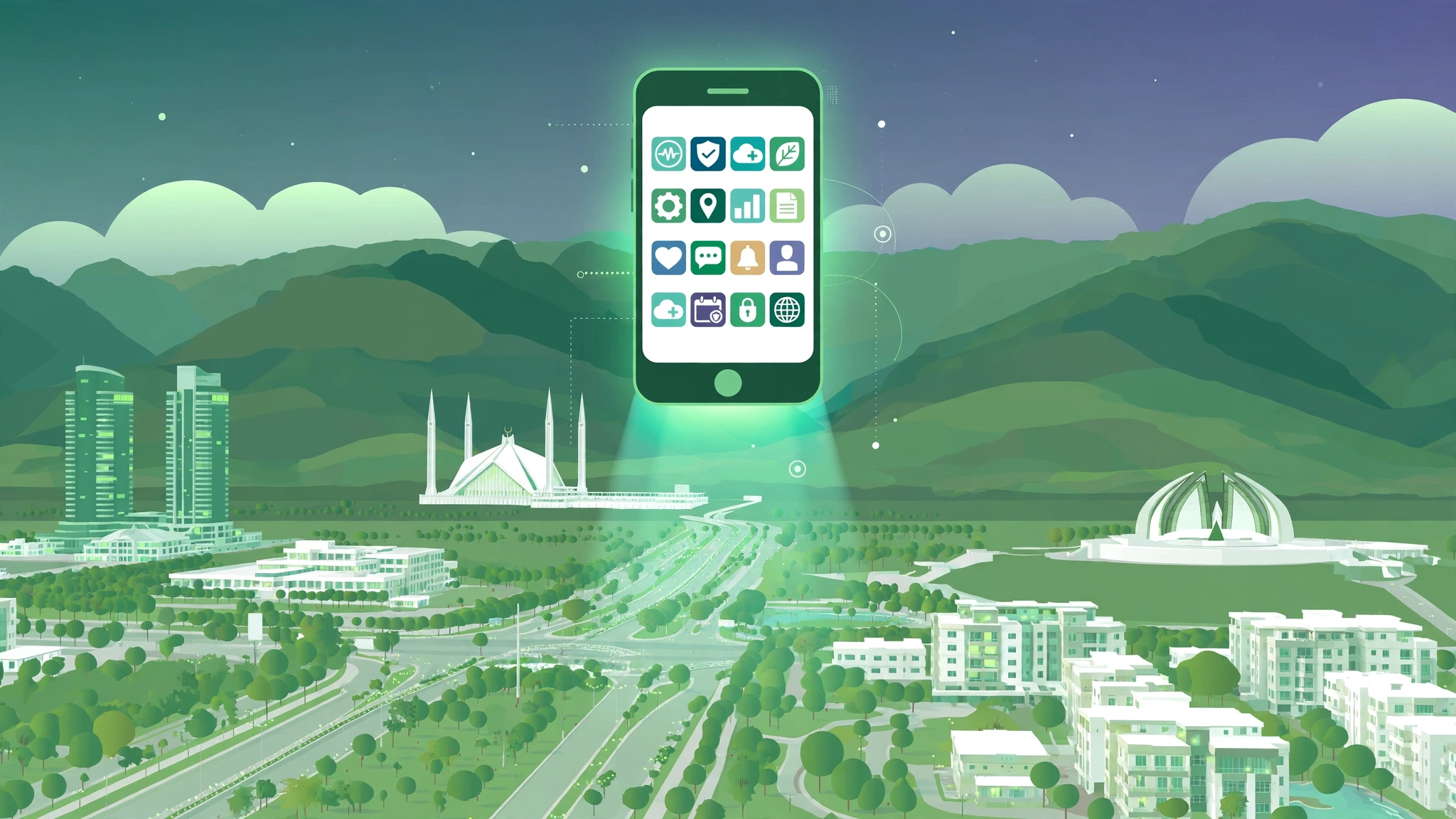
Instead of juggling separate portals and standalone apps for each department, citizens will use one interface to reach services from federal ministries and government bodies — from submitting applications and tracking requests to making payments and messaging the relevant department.
One app for messaging, payments and paperwork
The platform combines a social messaging suite with government services: users will be able to chat, share images and videos, access services, file applications, pay fees and follow up on requests without visiting a government office in person. A purpose-built payment gateway is designed to make government transactions traceable and transparent, while real-time tracking will show citizens where their application stands.
The app will be available around the clock across devices and in multiple regional languages, a deliberate attempt to reach citizens beyond the big cities and English-speaking users. AI-powered assistance and analytics are also part of the design, aimed at answering common questions and spotting bottlenecks in service delivery.
NADRA identity at the core
At the heart of the platform is integration with NADRA's digital identity system, which will verify users and link their official records to the services they use. That connection is what lets a single login open the door to many departments — the same groundwork already laid under DEEP, which has integrated single sign-on with the National Data Exchange Layer and rolled out the PakID Vault for digital documents.
Zong's Farooq Raza Khan, executive director and country head for government and corporate sales, said the mandate "extends our role beyond connectivity, bringing together government institutions, communities and essential services through an integrated platform powered by secure communication, digital payments and AI-enabled solutions."
A bigger digital push gathers pace
The super app is the latest piece of a wider government digitisation drive. Earlier this week, Prime Minister Shehbaz Sharif reviewed the IT sector's progress, noting that Pakistan's IT exports reached $4.6 billion by June 2026, with freelancers contributing $1.165 billion. The same review covered the 32 special technology zones being developed across seven clusters, and ordered an independent audit of the country's tech parks.
Officials have not yet given a launch date for the super app, and the first version's exact service list is still to be confirmed. But with the mandate now awarded and Alibaba's Strategic Transformative Framework behind it, the project has moved from plan to build — and for citizens used to queuing at government offices, the promise is simple: one app, one login, and no more running between departments.