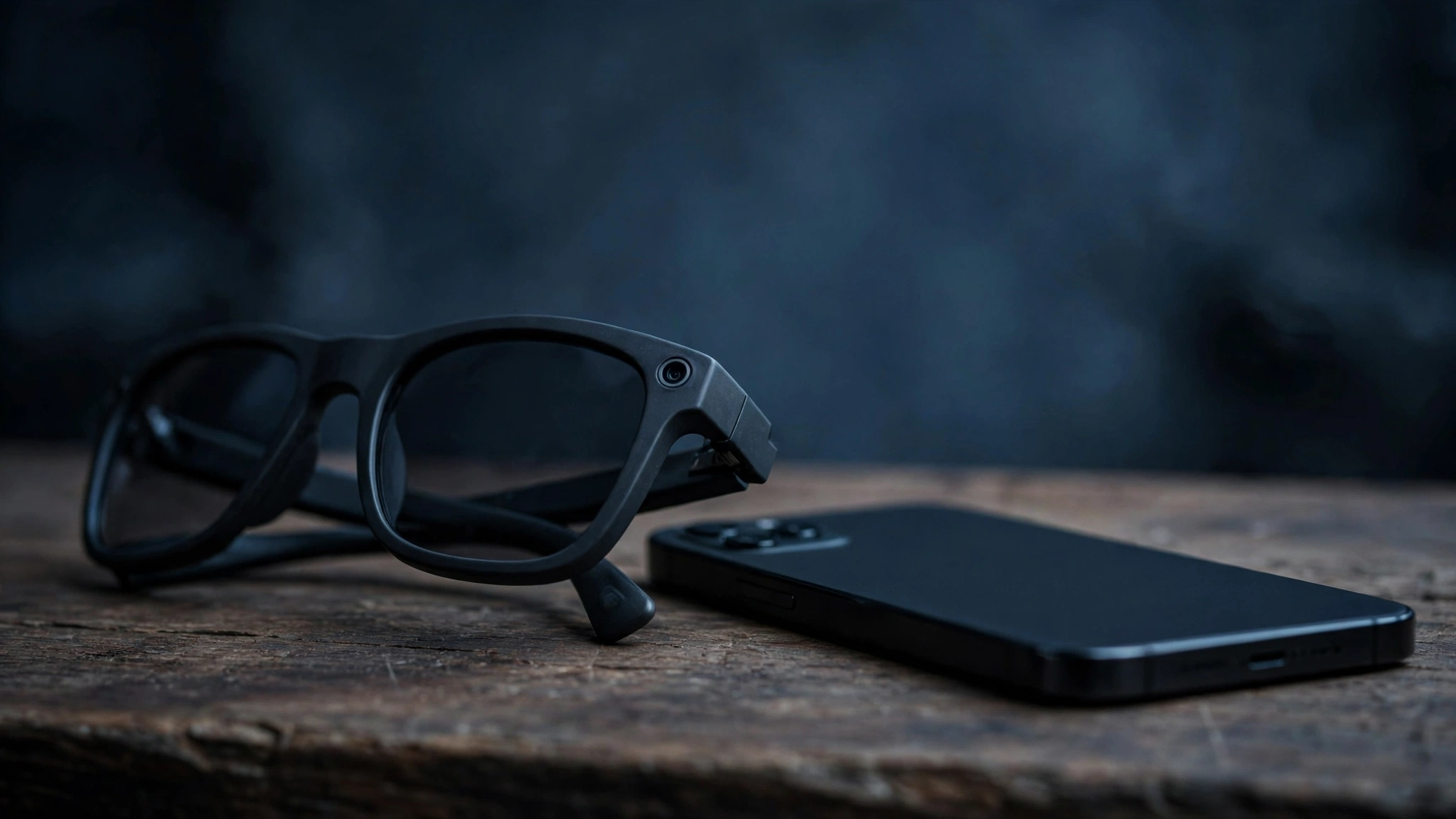
The Punjab government has banned the sale and purchase of camera-equipped glasses and covert surveillance devices across the province, telling the Lahore High Court the move follows approval from the federal cabinet.
The provincial government submitted a report to the court during a hearing on a petition challenging the sale of camera-enabled eyeglasses, informing Chief Justice Aalia Neelum that the restrictions are now in force. The federal government filed its own report as well, saying the cabinet had approved proposals forwarded by the Economic Coordination Committee (ECC) on the issue.
The ban reaches well beyond smart glasses. Recording devices disguised as everyday objects — including pens, pins and keychains — fall under the same restrictions, along with hidden cameras built for secret recording.
What the ban covers
Under the restrictions, the sale, purchase and use of hidden surveillance cameras and recording devices are prohibited across Punjab, with the government telling the court that effective implementation will be ensured within 30 days.
The crackdown targets devices that can secretly capture photographs, audio and video — the kind of covert recording the petition says has been used for harassment, illegal surveillance and blackmail. An official from the National Cyber Crime Investigation Agency (NCCIA) also appeared before the court and submitted a report, noting that no complaint about recordings made through smart glasses was currently pending before the agency.
From a temporary order to a federal framework
The court action follows a temporary ban imposed a month earlier. On October 19, Punjab Information Minister Azma Bukhari announced that Chief Minister Maryam Nawaz had directed the Home Department to crack down on spy glasses, camera-equipped pens, keychains and button cameras, citing privacy concerns. The restrictions were imposed the next day under Section 144 of the Code of Criminal Procedure, a temporary public-order power that runs for 30 days unless renewed.
What has changed since is the federal dimension. The federal cabinet has now approved the ECC’s proposals, and the federal government has asked all four provinces to submit their recommendations by November 25 for legislation and a regulatory framework covering hidden cameras — including specific rules for camera-equipped glasses in public places and workplaces.
What happens next
The court has directed the federal government to submit a detailed report on the restrictions, with the provinces’ recommendations due by November 25, and adjourned proceedings until December 8.
The case puts Pakistan among the first countries to move from temporary orders toward formal regulation of camera glasses, as smart eyewear becomes more common worldwide. For now, anyone selling or buying the devices in Punjab is on the wrong side of a ban that the courts — and now the federal cabinet — are backing.