By Hamza Faisal
TCL CSOT has given the clearest sign yet that inkjet-printed OLED is about to move from the lab into real laptops. At its Display Tech-Ecosystem Conference (DTC 2026) in Wuhan, the Chinese display maker showed off two prototypes: a 16-inch laptop panel running at 360Hz, which it claims is the fastest OLED ever fitted to a notebook, and a 14-inch display measuring just 0.6mm thick. Both use inkjet printing to lay down the light-emitting material, a process TCL says is cheaper and more efficient than the conventional method used in today's OLED screens.
The fastest laptop OLED yet
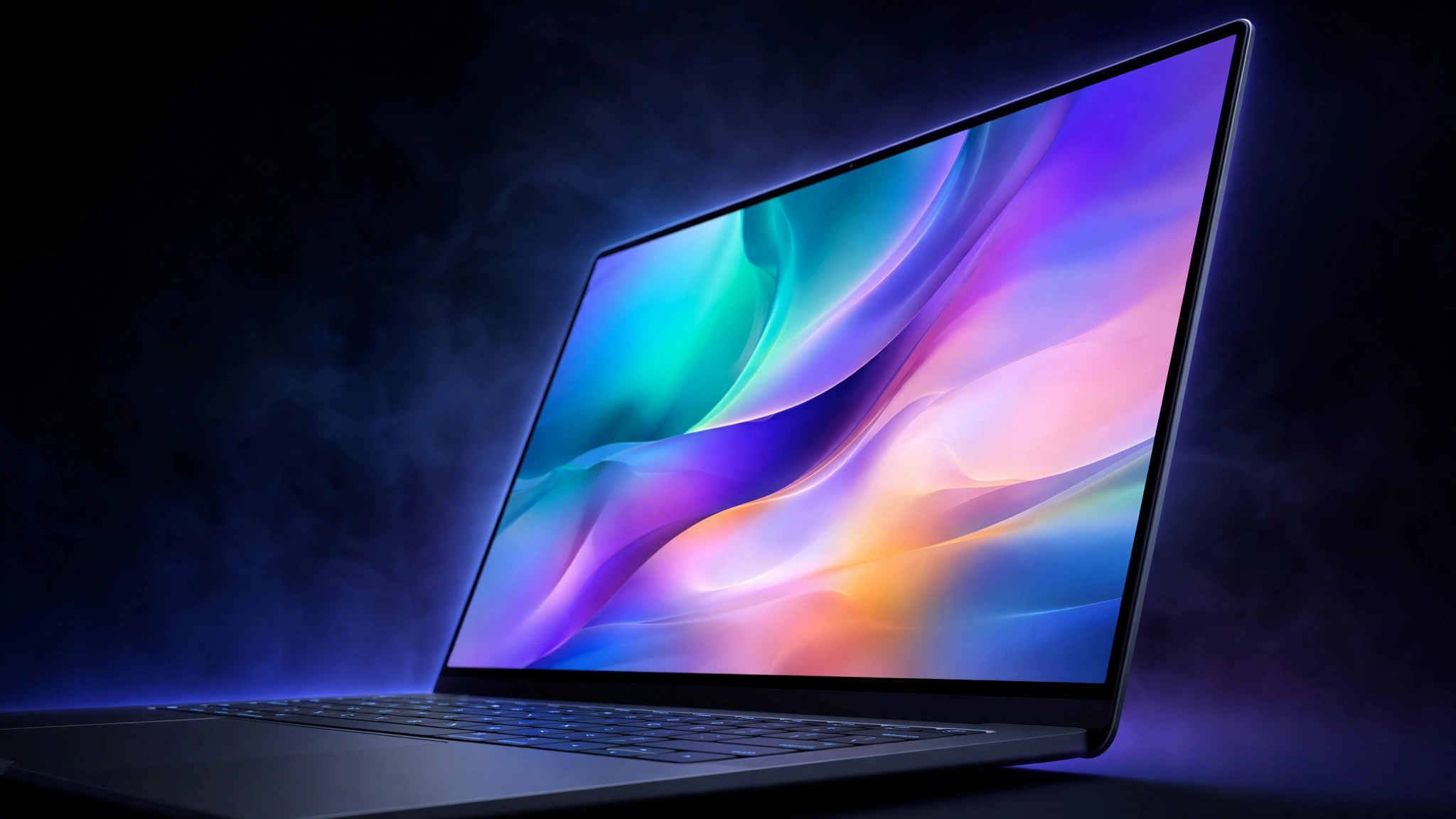
The headline act was a Lenovo Legion gaming laptop prototype fitted with a 16-inch inkjet-printed OLED panel. It runs at 2560 x 1440 resolution with a 360Hz refresh rate, full DCI-P3 colour coverage and brightness of up to 500 nits. Notebookcheck, which reported from the event, says the panel carries the highest refresh-rate claim of any laptop OLED to date, beating the 300Hz OLED laptop display Samsung demonstrated in August. TCL CSOT told reporters it is working with partners and that mass production of the panel could begin soon, though it gave no release date, pricing or final hardware configuration, and Lenovo has not confirmed whether the prototype will ever reach store shelves.
A display thinner than a credit card
The second prototype may be the more striking of the two. TCL CSOT showed a 14-inch inkjet-printed OLED panel just 0.6mm thick and weighing only 66 grams, fitted into a thin laptop demo unit. The company says a special anti-reflection film lets more than 99 percent of ambient light be absorbed or transmitted through the screen, keeping glare down in bright rooms. The panel runs at 1920 x 1200 resolution, and an executive told Notebookcheck that touchscreen versions will follow, although the demo unit did not have one. The company is still working with partners, and commercial laptops using the panel could appear in 2027.
Why inkjet printing matters
Inkjet-printed OLED, or IJP OLED, uses precision nozzles to spray liquid organic materials directly into defined subpixel trenches, rather than evaporating them through a fine metal mask as conventional OLED production does. The process wastes less material and scales more cheaply to large panels, which is why TCL CSOT has spent more than a decade developing it. The technology is already in a shipping product: Lenovo's Legion R9000P, launched earlier in 2026, uses a 16-inch 240Hz IJP OLED panel from TCL CSOT. The new 360Hz prototype raises that refresh rate by 50 percent. TCL CSOT is also building an 8.6-generation IJP OLED production line in Guangzhou, and analysts at TrendForce expect inkjet-printed OLED to enter branded monitor and notebook products in the second half of 2026. For buyers, the payoff would be thinner, lighter laptops with richer OLED colour at prices closer to today's LCD machines.