By Hamza Faisal
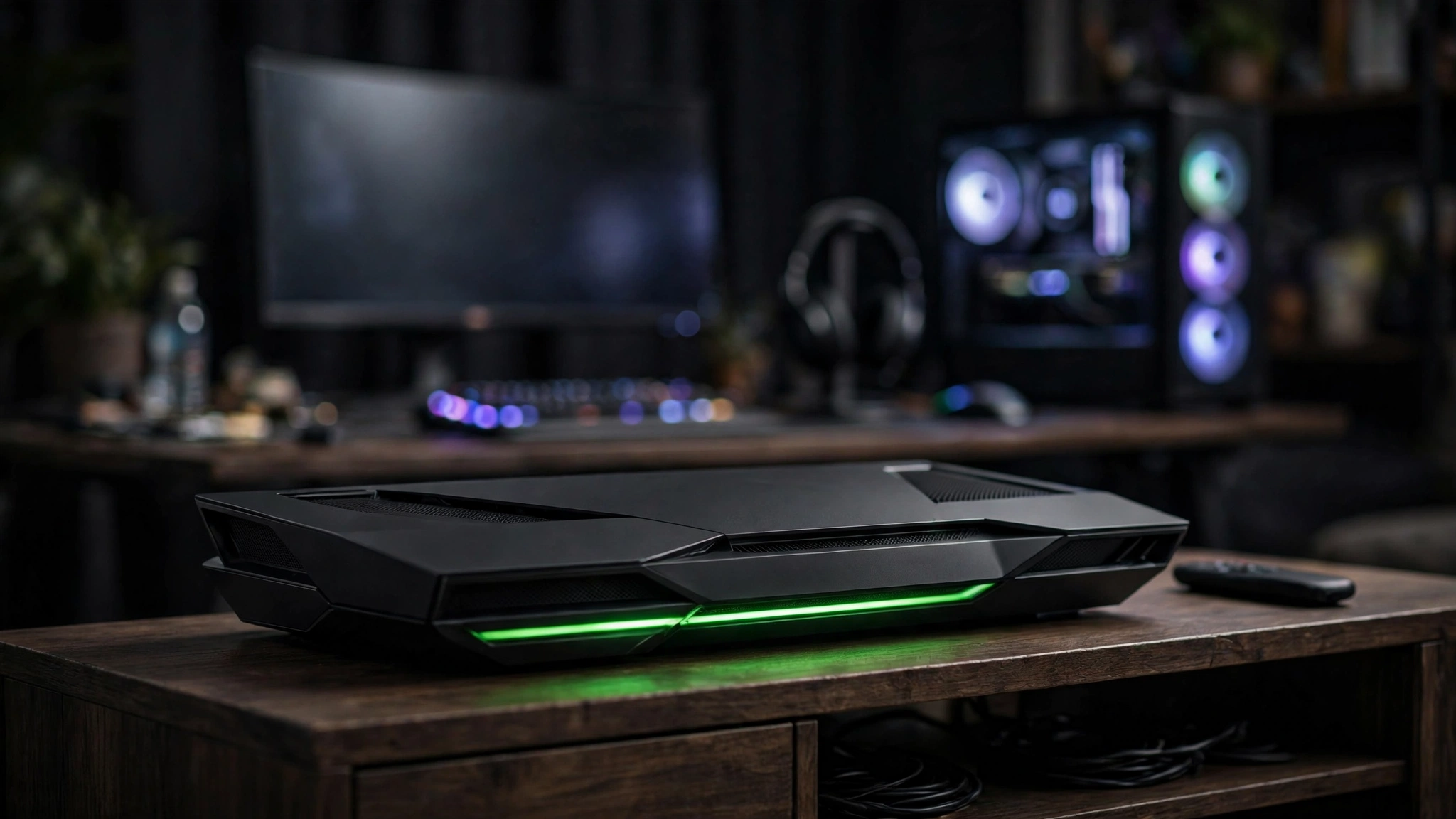
Microsoft has finally given gamers a clear picture of its next Xbox — and it is not the PC in a box many expected. Project Helix, the codename for the next-generation console, is designed to play PC games while remaining a console at heart, Xbox's next-generation chief Jason Ronald said in the company's 25th anniversary magazine, published on November 15.
"Helix is designed to be a console that is also capable of playing games from your PC. It is not a PC that can also play console games," Ronald said. The distinction matters to Microsoft: the company wants the convenience of a console — switch it on and play — with the library flexibility that has traditionally belonged to PC gaming.
A console first, a PC library second
According to Ronald, Helix will carry four generations of Xbox games and player progress with it, making the back catalogue available instantly alongside PC titles. The goal, he said, is to remove the "arbitrary constraints between console and PC games" — no driver updates, no settings menus, no hardware tinkering before you can start playing.
Power users will not be locked out entirely. Ronald added that players who want deeper control over settings and performance will still be able to adjust them, much as they can on a Windows PC. But the default experience is meant to feel like a console: easy, intuitive and instant.
Microsoft has already previewed this unified-library idea in the ROG Xbox Ally handheld and the Xbox mode for Windows, where PC and console games sit side by side in one library. Reports suggest Helix owners may be able to reach their Steam libraries on the console, but Microsoft has not confirmed which PC storefronts it will support.
Neural rendering vs. the component crisis
The magazine interview also contained a notable admission: the ongoing component crisis — surging memory and hardware costs that are pushing up the price of almost anything with a plug — is changing how the next Xbox is being built. Ronald's answer is neural rendering, which he described as "an entirely new way to generate a frame without requiring more computational horsepower, additional memory, and things like that."
Helix runs on a custom AMD system-on-chip co-designed for the next generation of DirectX and FSR, which Microsoft first outlined at the Game Developers Conference in March, when it also promised an "order of magnitude leap" in ray tracing. Neural rendering is now positioned as the way to deliver better-looking games without simply throwing more expensive silicon at the problem.
What Microsoft still won't say
For all the detail, the big questions remain unanswered. Microsoft has announced no launch date, no price and no decision on a disc drive. The only official date on the calendar is developer alpha hardware, which is due to reach studios beginning in 2027. Unconfirmed reports have put the console's possible price as high as $1,200 to $1,800, and earlier reporting suggested Microsoft may skip the disc drive — neither claim has been confirmed, and the magazine mentions neither.
What is clear is the direction of travel. The next Xbox is not trying to become a gaming PC. It is trying to make the line between console and PC libraries disappear — and if neural rendering delivers on its promise, it may do so without the price tag the component crisis would otherwise demand.