By Hamza Faisal
Sri Lanka has started test flights of a passenger-carrying drone at Colombo Port City, putting the island nation on the short list of countries actively trialling electric air taxis. The flights are taking place ahead of an official public demonstration scheduled for November 11, when the technology will be shown off to officials and the public for the first time.
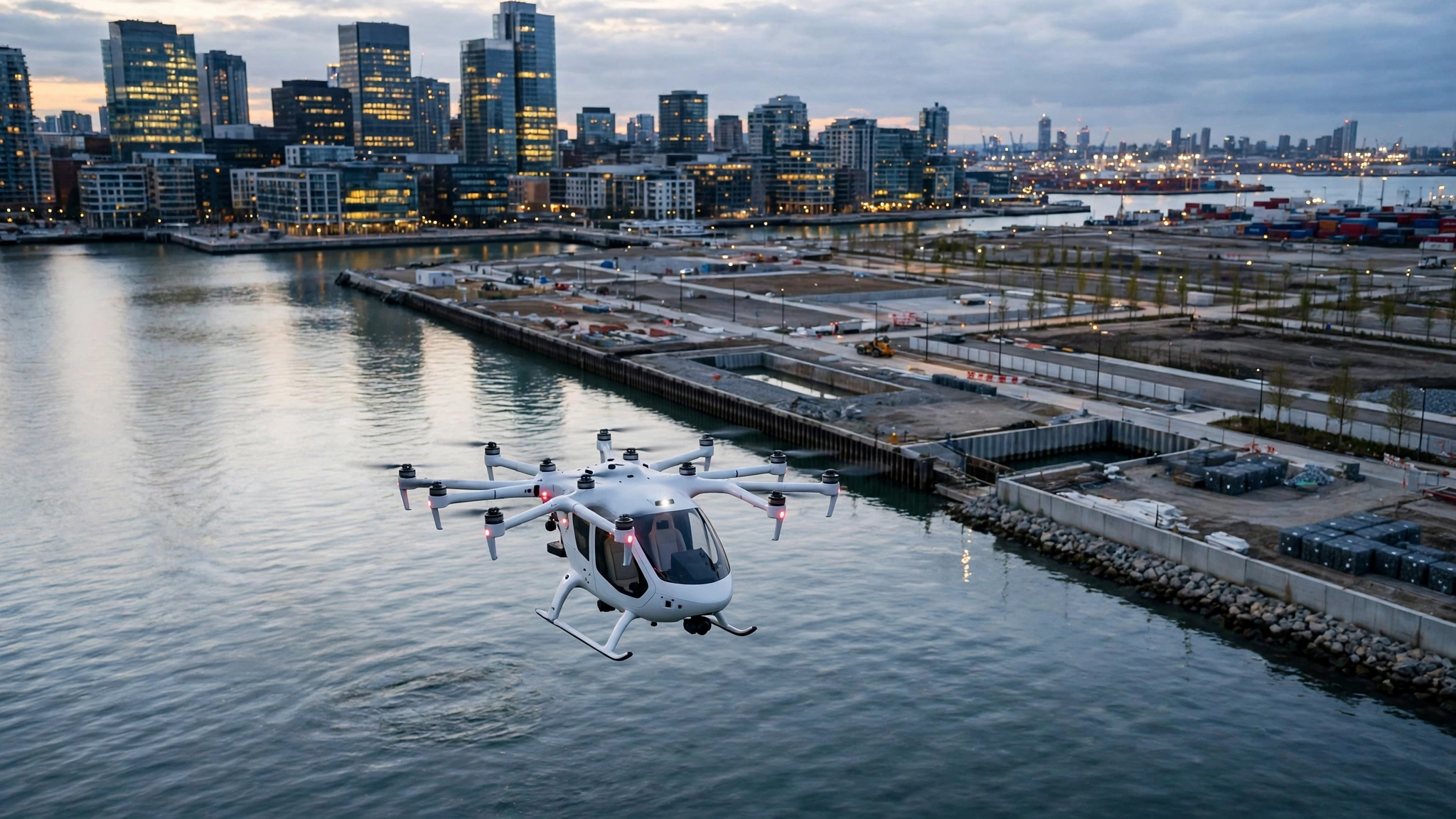
The trials involve Chinese aviation company EHang Holdings, which specialises in electric vertical take-off and landing aircraft, known as eVTOLs. Video footage circulating on social media shows one of the aircraft being put through its paces over the Port City area, the vast reclaimed-land development on Colombo's waterfront.
According to Sri Lanka's Ministry of Defence, the November 11 demonstration is meant to showcase how the technology could improve urban air mobility and open up new travel experiences for tourists. The Civil Aviation Authority of Sri Lanka has also been in discussions with EHang and other government bodies about what it would take to introduce the aircraft into the country's aviation system.
A two-seat aircraft, with bigger ones to follow
The first aircraft has already arrived in Sri Lanka as part of the pilot project. It is reportedly capable of carrying two passengers, and it was imported from Thailand under the EHang brand, arriving at Bandaranaike International Airport last month. A second aircraft shipment is due on November 28, with plans to introduce larger four- to six-passenger vehicles next year.
The project has been moving quickly since late October, when the Defence Ministry hosted a high-level meeting on the technology. Chaired by Defence Secretary Air Vice Marshal Sampath Thuyacontha, the meeting brought together officials from the Civil Aviation Authority and a delegation from EHang to discuss how passenger drones could transform tourism by connecting major attractions from the air.
For now, the ambitions are deliberately modest. The November 11 event is an assessment opportunity, not the launch of a service, and no commercial passenger-drone flights have been approved in Sri Lanka.
What the trials are meant to prove
The pilot is designed to test whether eVTOL aircraft can work in Sri Lanka's cities and tourist corridors, covering urban transportation, tourism and logistics. Supporters argue that short electric flights could cut journey times between attractions and ease pressure on congested roads, while also giving the country a showcase technology for visitors.
Any wider rollout, however, will depend on further technical assessments, aviation safety requirements and the necessary regulatory approvals. EHang's aircraft are designed to fly autonomously, which means regulators will need to be satisfied on everything from flight control and airspace management to emergency procedures before paying passengers are ever carried.
That caution is standard for the sector worldwide. Even in countries where eVTOL makers have flown hundreds of test flights, commercial passenger services remain rare, with certification still the biggest hurdle for the industry.
A small step, but a visible one
For Sri Lanka, the trials are as much a statement of intent as a technical test. The country has been looking for ways to modernise its transport and tourism offering, and a flying-taxi demonstration at its flagship Port City development puts that ambition on display.
The November 11 demonstration will give authorities and observers their first close look at the aircraft in a local setting. Whether it leads to regular passenger flights will depend on what the trials show — and on how quickly the rules can catch up with the technology.