By Hamza Faisal
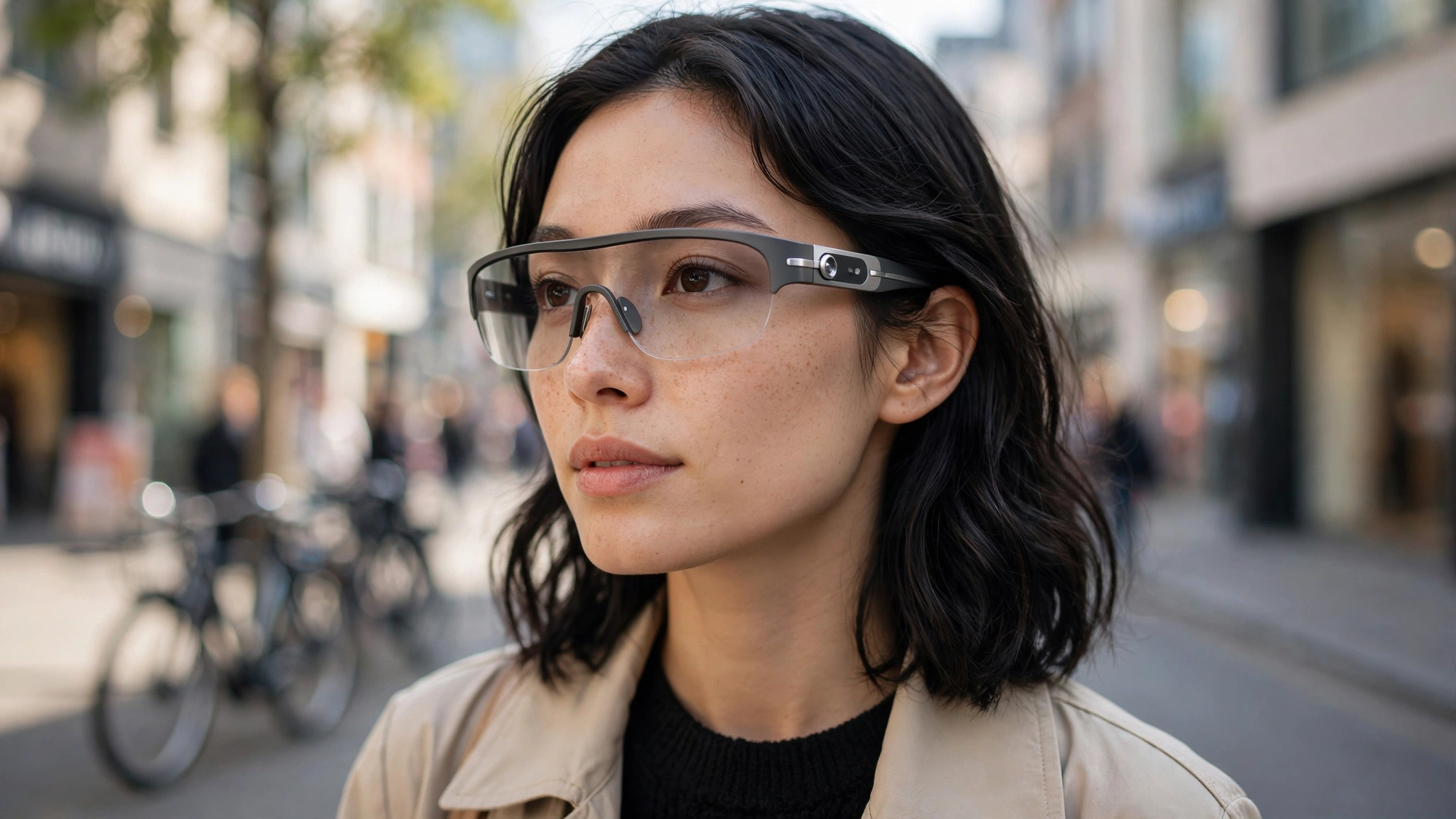
Samsung Electronics will begin selling its first artificial intelligence smart glasses in mid-December, starting in South Korea and the United States, according to industry reports out of Seoul on October 30. The launch timing for the glasses, known as Intelligent Eyewear, has now been fixed after months of speculation that they would arrive before the end of the year.
The glasses were previously expected in November, based on comments from a Samsung executive and US regulatory filings, so the mid-December window represents a short slip from that earlier timetable. Samsung has not yet set a price, which is still under discussion, and the first sales will be limited to its home market and the US. Major markets including Europe, China and Japan are excluded from the initial rollout as Samsung gathers early feedback from the first buyers.
What the glasses actually do
Intelligent Eyewear is built on Google's Android XR platform and runs the Gemini AI assistant. The glasses carry no display in front of the wearer's eyes. Instead, a camera, microphones and speakers capture what the wearer sees and hears, and Gemini interprets that information with help from a connected Galaxy smartphone, which handles the heavier processing.
The pitch is hands-free help without reaching for a phone: real-time translation of conversations, step-by-step navigation, and answers about objects in view. The hardware runs on Qualcomm's Snapdragon AR1 Gen 1 chip and is rated for up to nine hours of use on a single charge. Samsung developed the frames with eyewear brands Gentle Monster and Warby Parker, and four models have been shown so far.
A direct challenge to Meta
The launch puts Samsung squarely into a category currently led by Meta, whose AI glasses have driven a surge in shipments. Research firm Counterpoint reported that global AI glasses shipments grew 263 percent year on year in the first half of 2026, a sign that the product class is moving from novelty toward mainstream accessory.
Samsung first showed the glasses alongside Google at its I/O developer conference in May and shared more detail at its Galaxy Unpacked event in London in July. Since then, concrete information has come mainly from Korean press reports and US Federal Communications Commission filings rather than a formal Samsung announcement with a sale date and price.
What is still unknown
Beyond pricing, Samsung has not confirmed when the glasses will reach Europe, China or Japan, or whether all of the demonstrated features will be available in every launch market at day one. Privacy questions also remain open: South Korea's privacy regulator reportedly met Samsung in July to discuss how people nearby would be alerted when the glasses' cameras or microphones are operating.
For now, the mid-December launch gives Samsung a holiday-season entry into the AI glasses race, with the US and South Korea serving as the test markets before any wider rollout. The price, when it lands, will say a lot about whether Samsung intends the glasses as a mass-market accessory or a premium showcase for its partnership with Google.