By Hamza Faisal
OpenAI chief executive Sam Altman has asked Samsung to help build the ChatGPT maker's first AI device, pitching a joint gadget that he describes as the "next version of the smartphone."
Altman made the proposal at a meeting with Samsung executives on October 31 at the company's Human Resources Development Center in Yongin, South Korea, according to South Korean newspaper Financial News, which said it obtained the contents of a question-and-answer session from the meeting exclusively on November 11.
"I'd like to work closely with Samsung to build a joint device," Altman told the executives, the paper reported. Samsung has not said whether it will take part, and neither company has confirmed a joint hardware project.
The next version of the smartphone
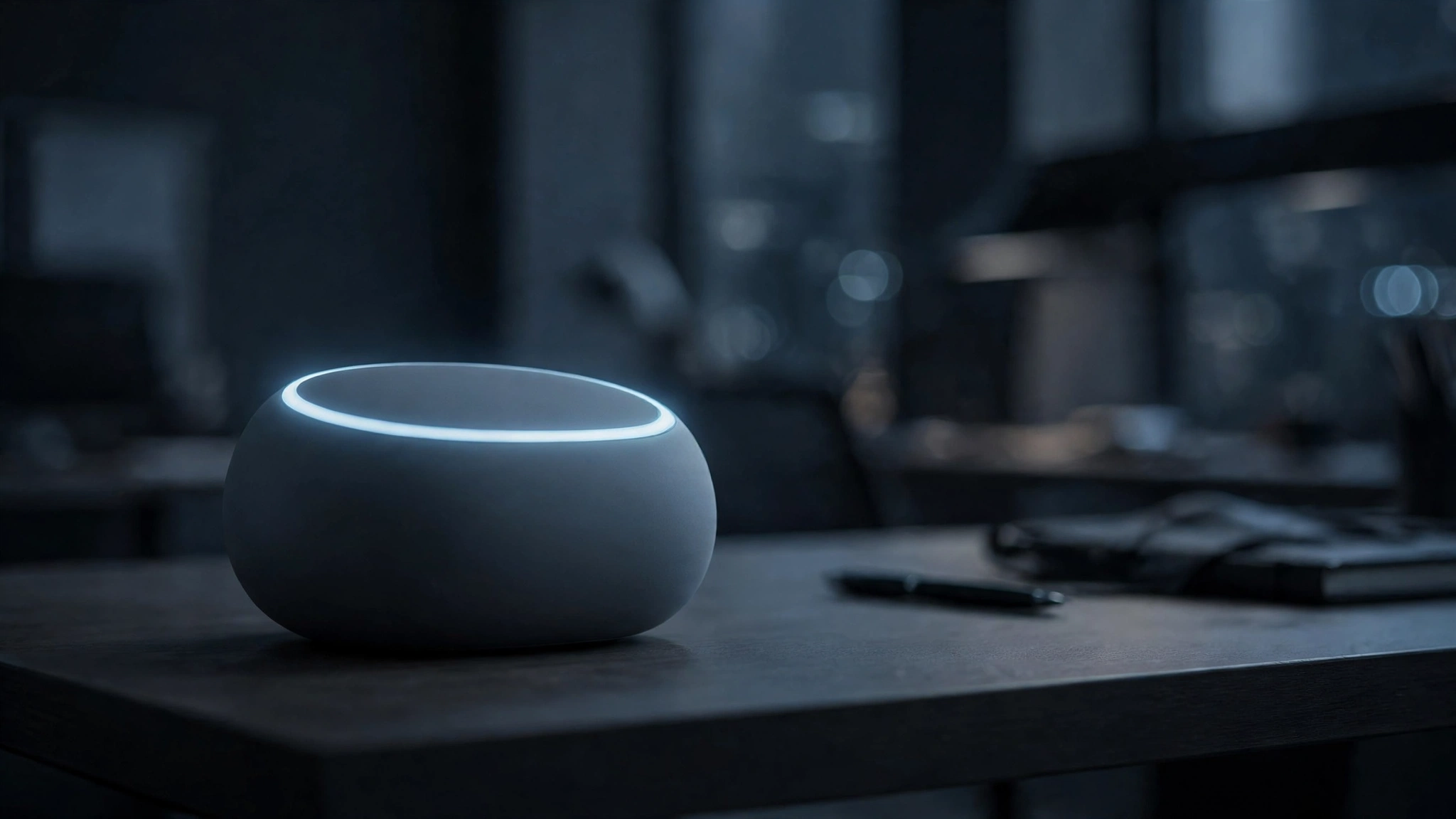
Asked what kind of device could become an AI companion, Altman replied: "It will be the next version of the smartphone." He described a device that is as unobtrusive as possible, with AI — not apps — proactively accessing and managing people's physical and virtual lives.
OpenAI is preparing an AI device with a launch targeted for next year, according to the report, and the leading candidate is a screenless smart speaker smaller than the palm of a hand.
Altman added that next-generation devices will bring in information from the physical world, but warned that "society needs to manage privacy concerns and excessive dependence on AI."
Not glasses — at least not yet
Altman was cooler on AI glasses. He said they would be great for personal productivity, but added that if the other person is looking at something else during a conversation, "it feels like technology is coming between people, and I find that uncomfortable."
That puts OpenAI's first device on a different track from some of its rivals. Samsung itself is preparing its first AI smart glasses for a mid-December launch in South Korea and the US, while Meta has pushed glasses as the next computing platform.
"Go all in on AI"
Altman also used the meeting to press Samsung's executives on AI adoption, telling them now is the right time to boost competitiveness through a full-scale AI transformation. "You have to go all in on AI and bet on it," he said.
His argument was that if AI remains merely a tool for boosting human productivity, gains are limited to two to three times — but entrusting entire work processes to AI could make them up to 100 times faster and at lower cost.
He said OpenAI itself began deploying AI across all of its work and services three months ago: employees enter their work priorities into AI, which synthesises the context and handles the tasks. He added that OpenAI's coding agent Codex now pushes back when he asks for more staff, asking him to prove the work cannot be done by AI — making what he called management decisions.
Altman warned that in the mobile era, companies that moved first survived while most that were one or two years late were left behind — and that in three to five years, companies will not be able to remain competitive unless they are AI-based.
The meeting, attended by about 50 Samsung executives from the group's electronics, finance and biotechnology businesses, was themed "The Next 10 Years Shaped by AI: The Enterprise's Choice," Samsung said. Bloomberg reported the visit was also aimed at deepening cooperation on memory chips and AI infrastructure, though no supply deal was announced. The two companies signed a letter of intent in October 2025 to cooperate on AI infrastructure, including memory supply for OpenAI's Stargate project.