By Hamza Faisal
Rocket Lab's Electron rocket has flown its 100th mission, carrying a Japanese radar-imaging satellite into orbit and reaching the milestone faster than any commercially developed rocket before it.
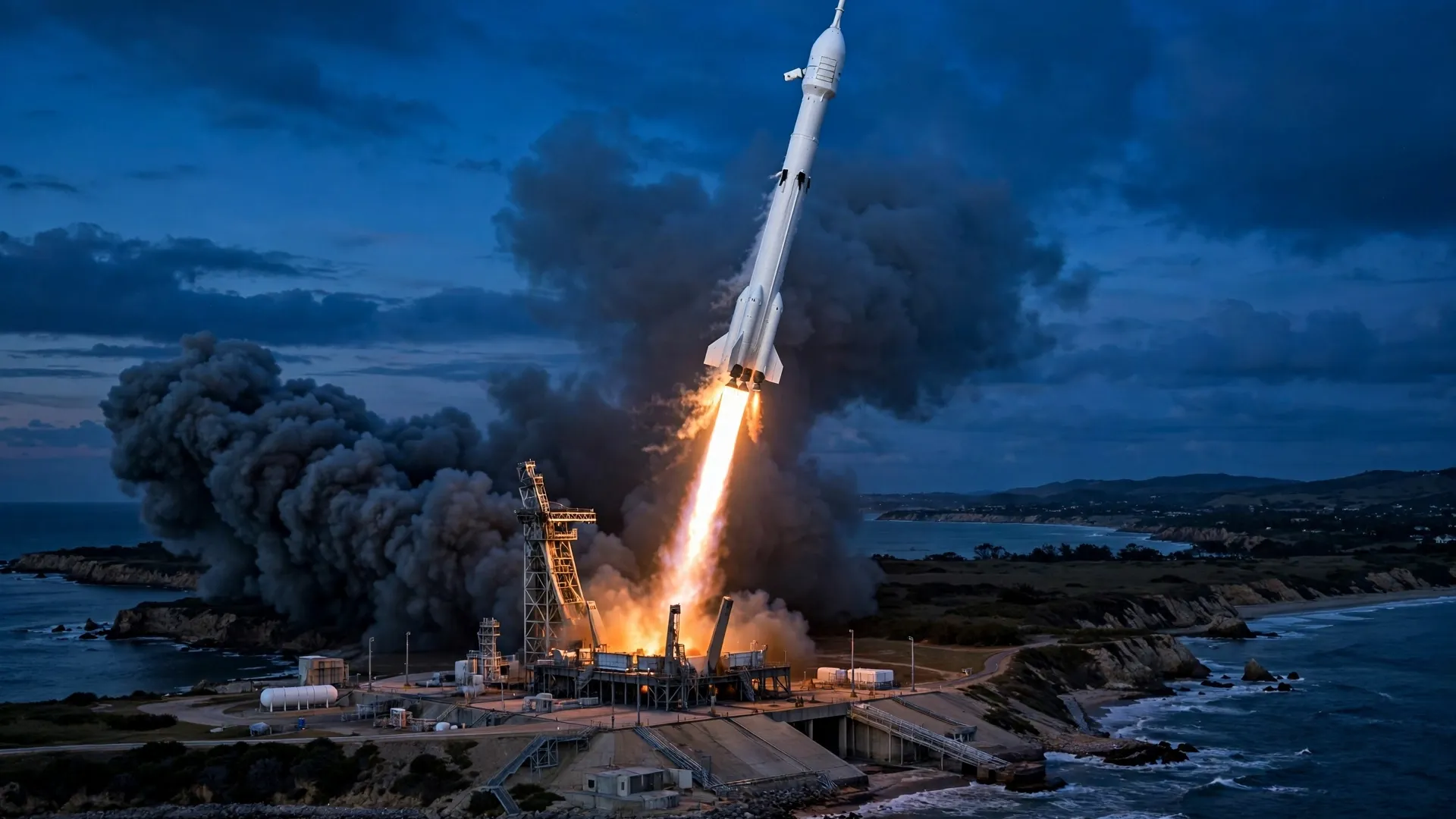
The mission, named "The Mountain God Rises", lifted off from Rocket Lab Launch Complex 1 on New Zealand's Mahia Peninsula at 6:30 p.m. local time on Saturday, November 14. About 50 minutes later, the rocket's kick stage deployed its payload — YAMATSUMI-II, a synthetic aperture radar satellite built for the Institute for Q-shu Pioneers of Space, known as iQPS — into a 575-kilometre low Earth orbit.
iQPS confirmed the satellite made its first communication with ground controllers after reaching orbit, and later deployed its stowed antenna.
A radar eye that sees through cloud and dark
YAMATSUMI-II, officially designated QPS-SAR-19, uses synthetic aperture radar — a technology that beams radio waves at the ground and reads their reflections — to image the Earth through cloud cover and at night, when optical cameras go blind. It is the latest piece of the radar-imaging constellation iQPS is building.
The flight was Rocket Lab's 11th Electron launch for iQPS, with a perfect record for the customer since 2023. The Japanese operator has already booked seven more dedicated Electron launches through 2030 to finish its constellation — meaning a slice of Electron's second hundred is already under contract.
The fine print on 100
Rocket Lab says Electron reached 100 launches in under a decade since its 2017 debut, faster than any other commercially developed rocket. Founder and chief executive Peter Beck said another 100 Electron launches are already booked.
There is a caveat worth noting. Rocket Lab counts its suborbital HASTE hypersonic test flights in Electron's mission totals, so the number of flights that actually reached orbit is lower — roughly 91, once the nine HASTE flights on the public launch list are set aside. The milestone is real, but the count is a company tally, not a pure orbital one.
Small rockets, big cadence
The 100th flight also capped a busy stretch for the small launcher: Electron flew 21 times in 2025, a company record, and the November 14 mission came just 11 days after the previous launch on November 3. For a rocket once dismissed as too small to matter, that launch rate is the point — Electron has become the workhorse for operators who want a dedicated ride to orbit on their own schedule, rather than sharing a larger rocket.
Rocket Lab's next test is whether it can keep that pace while its larger Neutron rocket moves toward its first flight. For now, though, the small rocket from New Zealand has a number no rival can match — and a full order book to prove customers noticed.