By Hamza Faisal
Pakistan's federal government has unveiled a sweeping new auto policy that puts electric vehicles at the centre of the country's car industry, promising cheaper charging infrastructure, lower taxes on EVs and a thirty-fold jump in auto exports over the next five years.
The policy was announced at a press conference in Islamabad on Saturday by Information Minister Attaullah Tarar and Haroon Akhtar Khan, the prime minister's adviser on industries and production. Prime Minister Shehbaz Sharif has approved the final draft, which will now go to the Federal Cabinet for final consideration.
Six pillars and five years of tariff cuts
The policy rests on six pillars: cheaper vehicles, especially for the middle class and lower middle class; encouraging exports; localisation; vehicle safety; promotion of EVs; and transparency. At its core is a five-year tariff reduction plan, under which duties on imported cars, assembly kits and components will be cut gradually each year, with the government saying vehicle prices should come down steadily rather than overnight.
On exports, the government has set a cumulative target of $6 billion over five years, up from about $200 million a year today. Most of Pakistan's current auto shipments are parts rather than finished vehicles. A reward-and-penalty system will pay manufacturers a 5 per cent Duty Drawback on Local Taxes and Levies, with an additional 10 per cent on incremental annual export growth — while those that miss their export and localisation targets will face penalties and lose the rebate. Localisation targets will be mandatory.
The EV push: tax breaks and charging stations
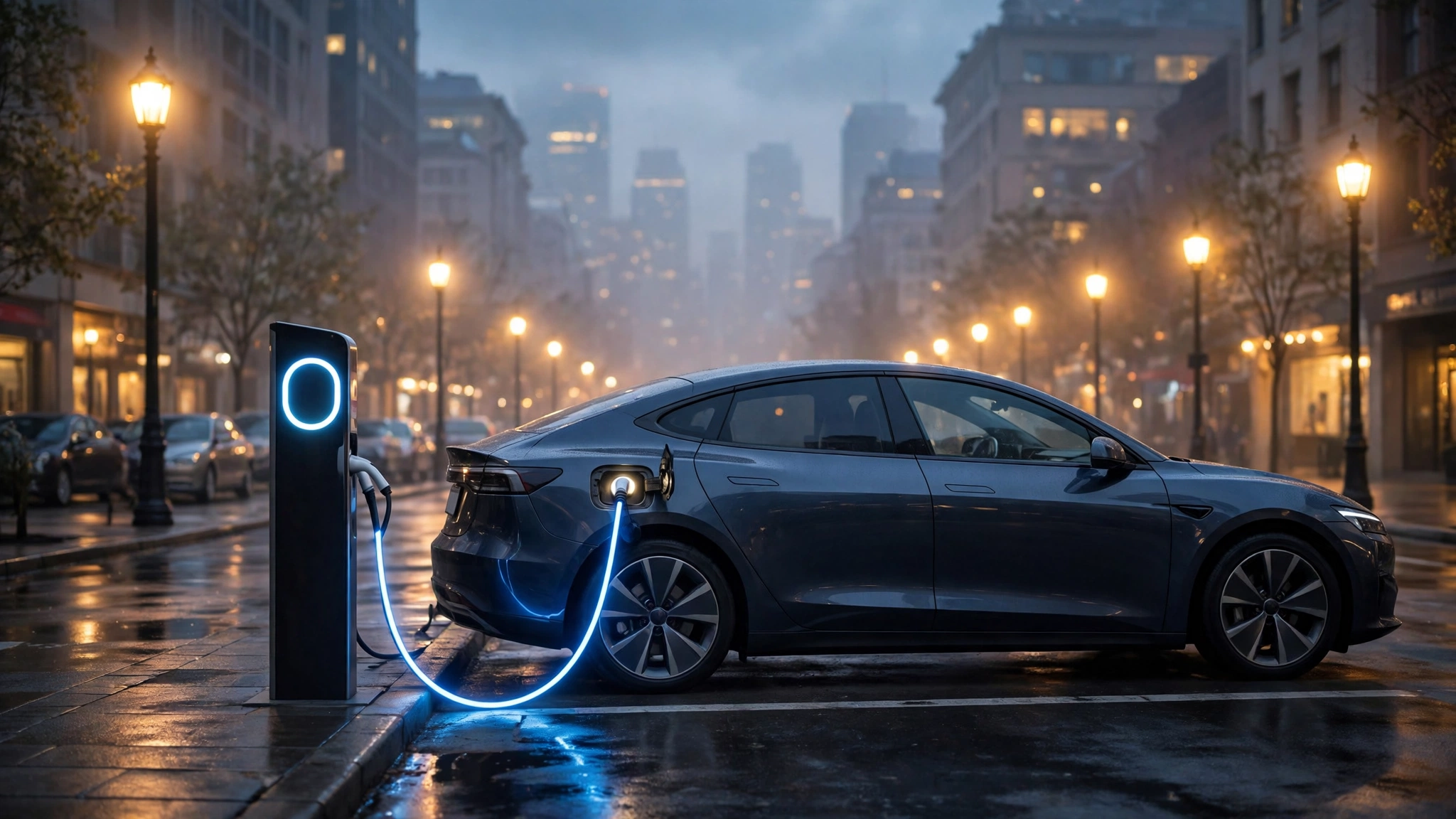
The electric-vehicle measures are the policy's most specific numbers. The government has proposed sales tax of 1 per cent for fully electric vehicles, 6 per cent for range-extended electric vehicles and 9 per cent for hybrids. EVs priced up to $50,000 would also be exempt from capital value tax, withholding tax and federal excise duty, while car-financing limits for EVs would rise to Rs 10 million with tenures extended from three to five years. The stated goal is for 30 per cent of all new vehicles sold in Pakistan to be electric by 2030 — and the government says that could happen sooner.
Charging infrastructure gets its own push. Customs duty on charging-station equipment has been abolished and sales tax on it cut to 1 per cent, while the government says it will fund the viability gap that has held operators back — drivers want chargers before they switch, and operators want demand before they build. The incentives will be financed through an automotive development levy on petrol and diesel vehicles above 1,000cc.
Safety standards — and what still needs to happen
The policy also introduces 45 additional vehicle safety standards aligned with the United Nations' WP.29 framework, covering locally manufactured cars and imported used vehicles. The government says the standards, alongside the tariff cuts, are meant to end decades of protectionism in a market long dominated by a handful of assemblers.
There are caveats. The proposed EV tax rates are not yet notified rates — they are subject to approval by the International Monetary Fund, and the government has not yet published the full policy text, the tariff schedule or the penalty framework. The real test will be whether the incentives survive IMF scrutiny and are actually notified.
The policy lands the same week Valore Motor launched the Valore Quad, a small urban EV, in Pakistan. If the tax breaks and charging incentives reach the road, Pakistan's car buyers could finally see the cheaper, cleaner vehicles the policy promises.