By Hamza Faisal
Islamabad will become Pakistan's first fully cashless city by December 31, 2026, the federal government has announced, setting two firm deadlines for the capital to abandon cash payments.
The decision was taken on Friday, November 13, at a meeting of the Cashless Islamabad initiative chaired by Minister of State for Interior Talal Chaudhry. The meeting was attended by Capital Development Authority (CDA) Chairman Sohail Ashraf, senior government officials and banking sector representatives, according to ProPakistani and Arab News.
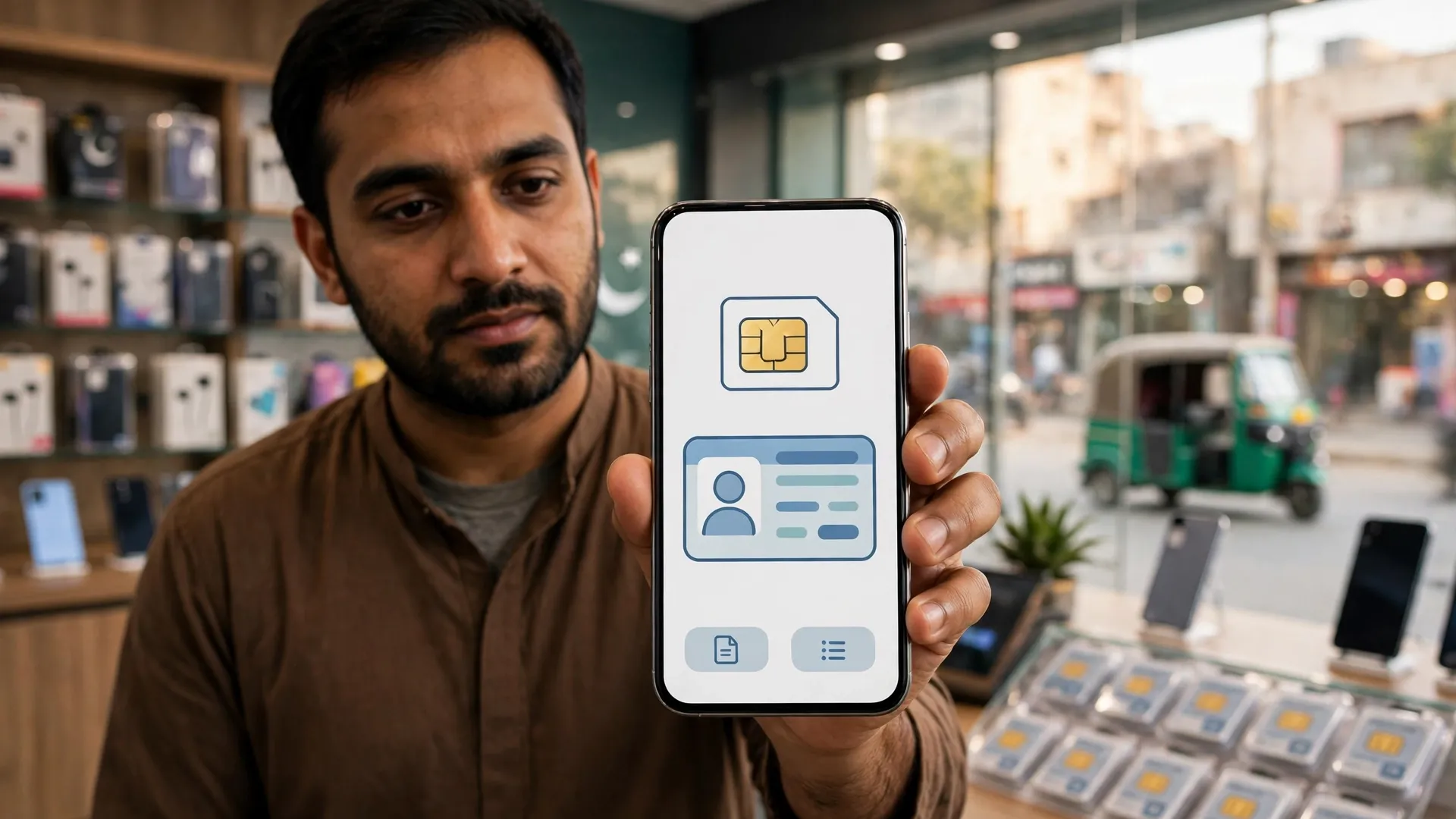
Under the plan, no cash payment will be accepted in any department of the Islamabad Capital Territory (ICT) administration or the CDA after November 30. Every merchant in the capital, from roadside vendors and small shops to large commercial centres, must then be on a digital payment system by December 31.
Two deadlines, two different jobs
The November 30 deadline covers the state's own counters: fees, fines and charges paid at government offices in the capital will have to go through bank apps, mobile wallets and QR codes. The December 31 deadline is the harder task, asking tens of thousands of private businesses, and their customers, to change how money changes hands.
Officials told the meeting that about 26,000 merchants in Islamabad have already been connected to digital payment systems. The rest must be brought into the system before the year-end deadline, with banks pledging technical and operational help to meet the target.
Chaudhry said the switch would reduce undocumented economic activity, improve financial transparency, strengthen tax monitoring and make commercial transactions more efficient. He also stressed continued consultation with local businesses to keep the transition smooth across different segments of the economy.
Raast at the centre of the switch
Payments will run on the State Bank of Pakistan's Raast instant payment system, including QR codes that customers can scan with any banking or mobile wallet app. Raast, launched in 2021, lets people and businesses pay instantly, and it already underpins the government's wider push to digitise payments.
The plan is part of Prime Minister Shehbaz Sharif's broader Cashless Pakistan drive, launched in June 2025, to move a largely cash-based economy onto digital channels and bring more businesses into the formal tax system. The prime minister ordered a roadmap with firm deadlines on November 6, and officials say payments in most federal and provincial institutions should be fully digitised by December 2026.
Interior Minister Mohsin Naqvi has pledged to the prime minister that Islamabad will become Pakistan's first cashless city, and, in Chaudhry's words, the world's first cashless capital.
A national test case
The capital is being used as the proving ground for a nationwide shift. At a separate meeting this week chaired by Minister of State for Finance Bilal Azhar Kayani, officials said the number of merchants actively taking digital payments across Pakistan has risen fourfold, from 500,000 to 2.03 million.
State Bank figures point the same way: in the January-to-March 2026 quarter, 3.7 billion retail payments worth Rs168.8 trillion moved through banks and payment channels.
What the announcement did not spell out is what happens to traders who miss the December 31 deadline, and no formal notification listing the affected departments has been published yet. For now, the government is betting that the two deadlines, and the 26,000 merchants already on board, are enough to carry the capital across the line.