By Hamza Faisal
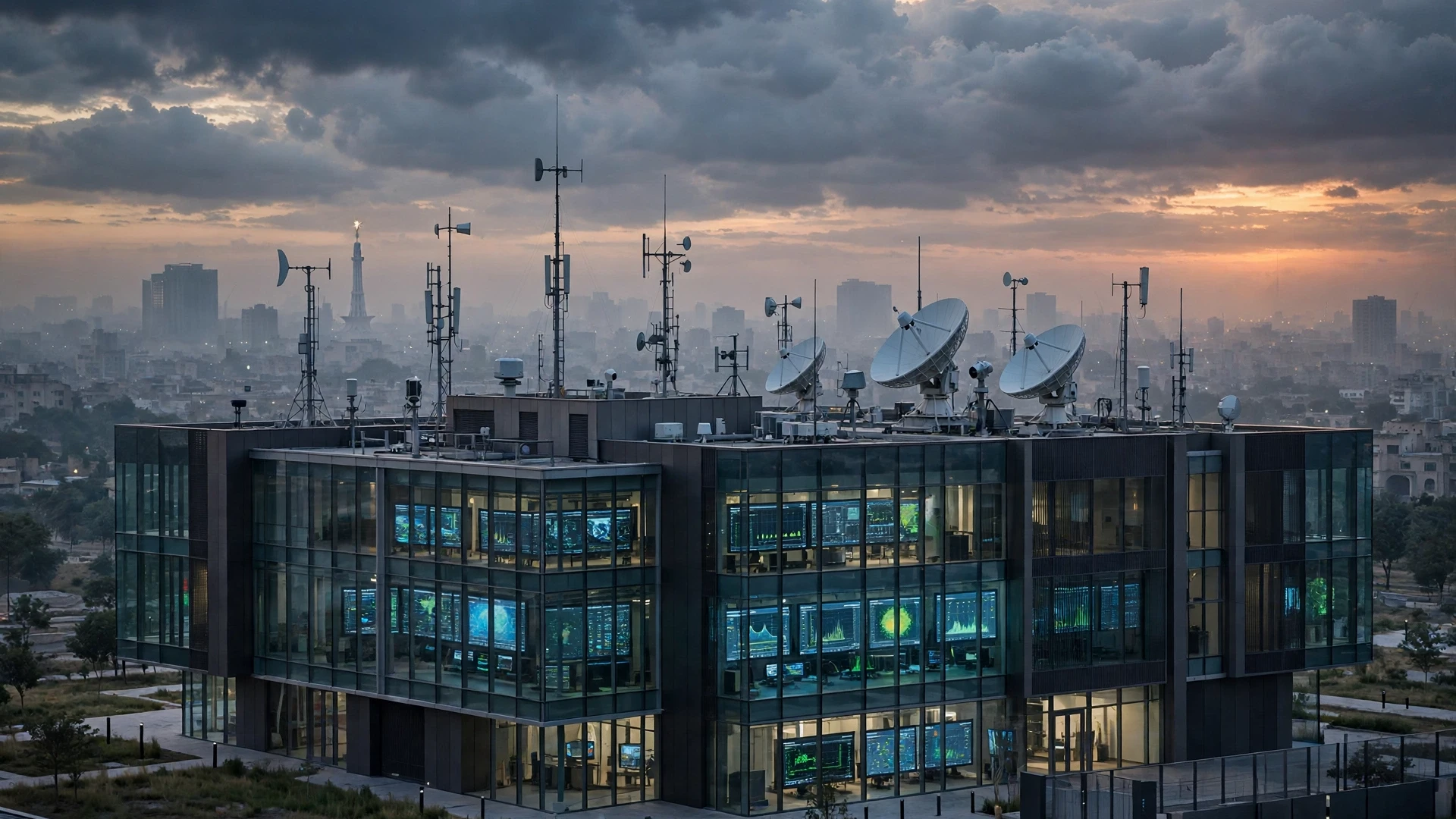
Punjab is building Pakistan's first AI-powered climate observatory, a facility in Lahore that will track the province's air, water, soil and weather in real time and turn that data into sharper forecasts, flood warnings and climate policy.
Chief Minister Maryam Nawaz Sharif described the under-construction Punjab Climate Observatory as a milestone in the province's efforts to tackle climate change, in a post on X on Sunday, November 15. She called it the first project of its kind in Pakistan: a dedicated hub for environmental monitoring, powered by an artificial intelligence climate intelligence system.
The announcement lands as Punjab continues to grapple with two recurring climate threats at once — thick winter smog that regularly blankets Lahore, one of the world's most polluted cities, and monsoon flooding that puts lives and crops at risk every year. The observatory is designed to give the province its own eyes on both.
What the observatory will do
At its core, the facility will continuously monitor four things: air quality, water resources, soil conditions and weather patterns. An AI-powered climate intelligence system will analyse the streams of data in real time, looking for the early signs of dangerous weather before it arrives.
The chief minister said the centre would strengthen weather forecasting, early warning systems and flood prediction, helping the province prepare for climate-related disasters rather than simply reacting to them. It will also serve as a research hub, with environmental data resources and laboratories for young scientists, and a base for international research partnerships under one roof.
That combination — live monitoring plus AI analysis plus research — is what sets the project apart from the weather stations and monitoring equipment Punjab already has. Instead of scattered readings, the province would have a single centre turning environmental data into usable warnings.
Eighteen months in the making
The project is not new. It was approved in May 2025, at a meeting chaired by Senior Minister Marriyum Aurangzeb, after the University of Engineering and Technology, Lahore, submitted a technical report on the facility. In June, the chief minister directed the authorities to speed up work on it.
Eighteen months on, the building is still under construction, and the chief minister's latest statement gave no completion date — nor a cost or an exact site. What it did confirm is that the project is moving, and that the government still sees it as a flagship piece of Punjab's climate response.
Why it matters for Punjab
For a province where smog shuts schools and floods displace entire districts, earlier and more accurate warnings have real value. Better flood forecasting gives families and farmers time to move; better air-quality data gives officials the evidence to act on pollution sources instead of debating them.
The observatory also fits a wider pattern in Punjab's technology push, from digital policing and Safe City systems to the province's growing focus on AI skills and digital infrastructure. The test will be delivery: whether the facility opens, publishes its data and feeds warnings to the people who need them — or stays a milestone on paper. For now, Punjab has put its first AI-powered climate hub on the map, and the province will be watching to see it switch on.