By Hamza Faisal
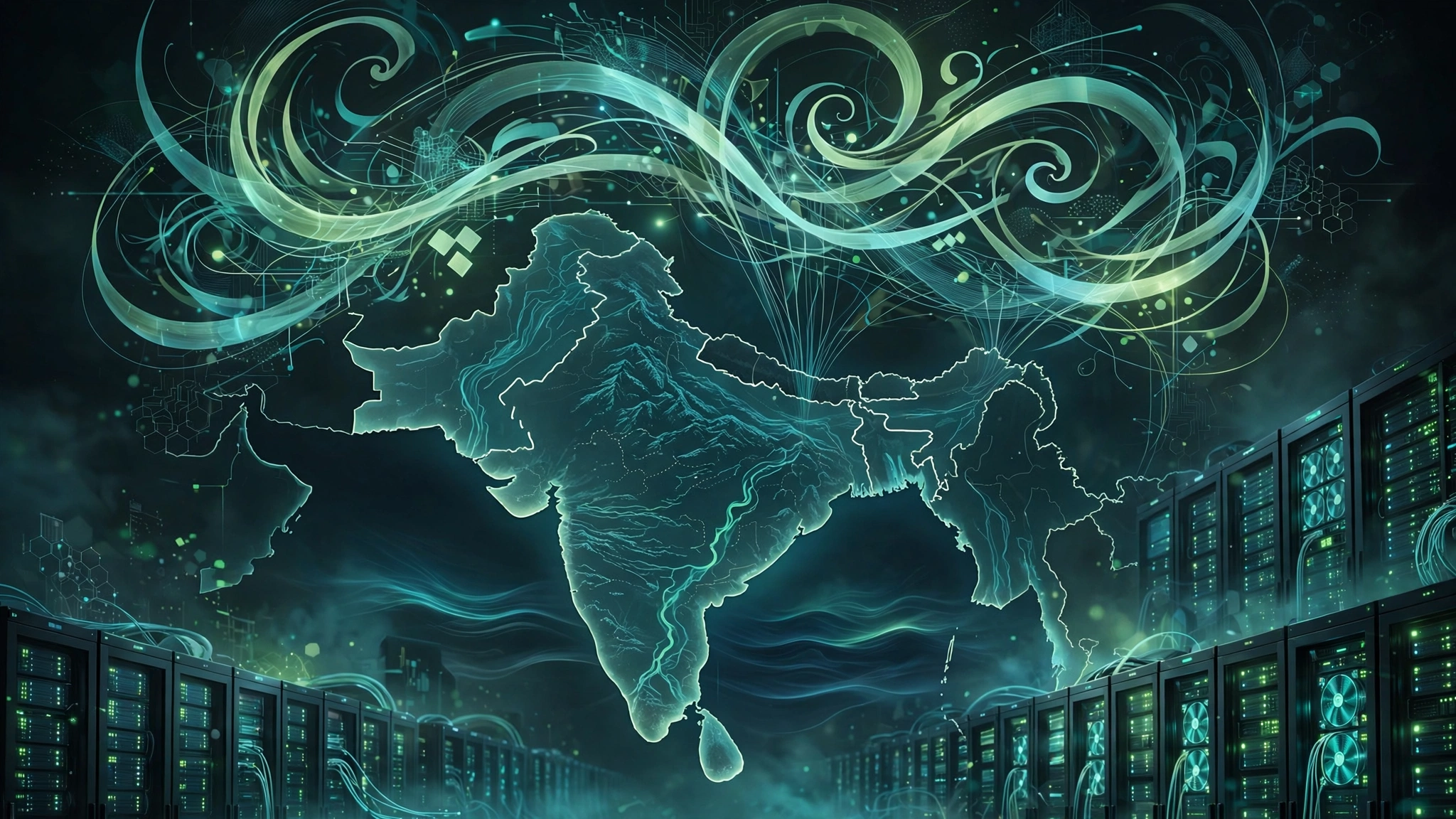
Pakistan is building Buraq, its own large language model trained on Urdu and regional languages, in a bid to give the country's citizens AI tools that speak their languages while keeping Pakistani data inside the country.
Federal Minister for IT and Telecommunication Shaza Fatima Khawaja outlined the initiative at the Global AI and Digital Summit 2026 in Seoul, which ran from October 19 to 22. Speaking at a World Bank panel on digital government service delivery through digital public infrastructure and AI, she said Buraq and the public computing capacity behind it form the AI layer of a wider national programme.
Why Urdu comes first
The case for a homegrown model starts with a striking gap: Urdu makes up just 0.03 percent of global web content gathered by Common Crawl, according to figures cited in the announcement. That scarcity means most mainstream AI models struggle with Urdu, leaving hundreds of millions of speakers underserved by tools built primarily for English.
Buraq is designed to understand and generate text in Urdu and other regional languages, making AI tools more relevant to citizens who do not primarily use English-language digital services. The minister said the goal is to support public services while addressing concerns around data security, governance and local-language access.
Sovereign compute and four foundations
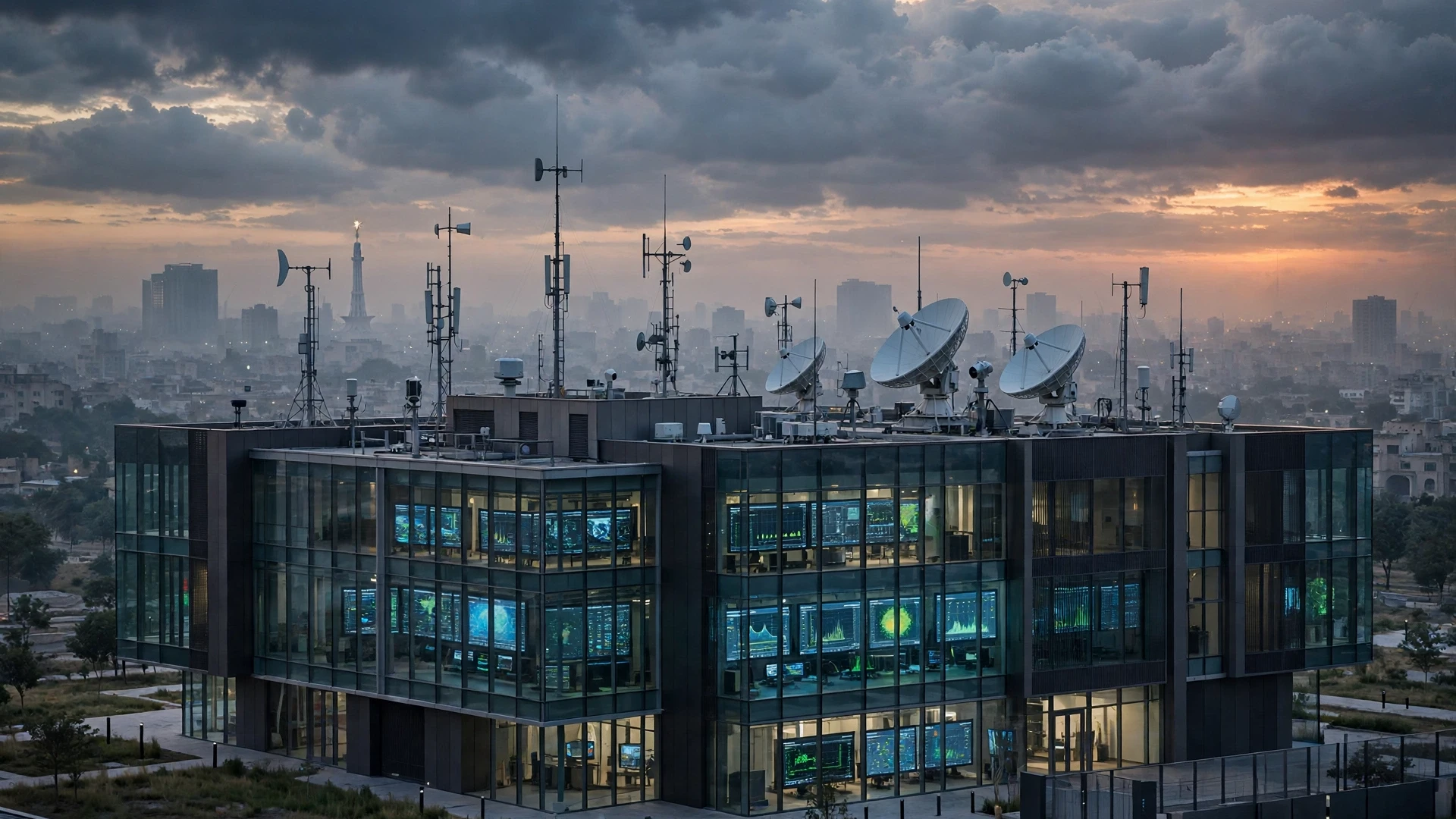
Alongside the model, Pakistan is procuring and provisioning sovereign computing capacity so that Pakistani data can be processed within national borders, rather than sent abroad. The government says keeping processing at home will also help the country retain more of the economic value generated by its own digital services.
The minister framed Buraq as the top layer of a programme built on four foundations. The first is digital identity: the National Database and Registration Authority provides verified identity to more than 100 million Pakistanis, now extended into a digital identity that authenticates citizens online and records consent. The second is payments, through the State Bank's Raast instant payment rail, which can turn an AI system's identification of a qualifying household into actual delivery. The third is data sharing through WASL, the national exchange layer that lets institutions share data with every transaction authenticated, encrypted and logged. The fourth is safeguards, under the National Data Governance Policy, which sets a single rulebook for classifying, sharing, protecting and publishing public data.
Governments that skip those foundations, she warned, end up with pilots that never scale and systems citizens do not trust. AI, in her phrase, is "the last layer, not the first" of digital development, and human oversight must stay at the centre of all AI systems.
What happens next
Pakistan has committed $1 billion in funding through 2030 for AI, regulatory changes and public-sector AI projects, including deployments in welfare, healthcare and tax systems. The country also recently launched its first local AI cloud through a partnership between Telenor Pakistan and Data Vault Pakistan. Pakistan also became the first country to sign the Digital and AI Compact at the Seoul summit.
For now, Buraq remains an announced initiative rather than a finished, widely available product, and its value will depend on whether the model and the computing behind it are actually built and deployed over the coming years. The minister's Seoul trip continued on October 24 with a visit to Pangyo Techno Valley, where she explored cooperation with South Korea on artificial intelligence, semiconductors and digital infrastructure, including joint projects between Pakistani and South Korean startups.