Elon Musk says Neuralink's second product, an experimental vision implant called Blindsight, is ready from an engineering standpoint and is now waiting on regulatory approval. In a post on X on October 30, Musk said the device will, as he put it, enable even those who are completely blind or have never seen to see.
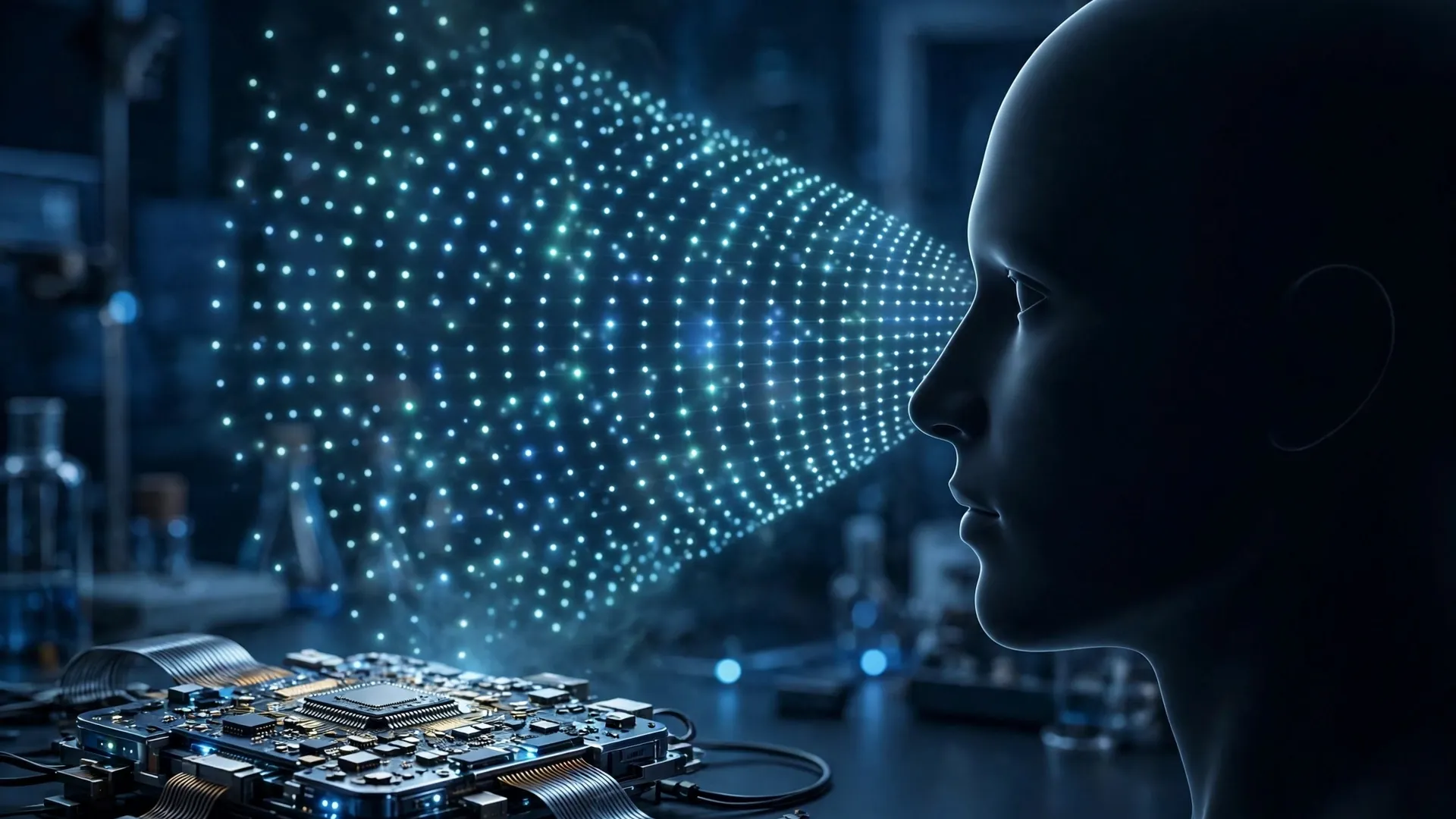
Blindsight is designed as a visual prosthesis. Instead of trying to repair the eyes, it aims to bypass damaged eyes or optic nerves entirely: a camera captures images of the surroundings, and the implant sends that visual information directly to the brain's visual cortex, the region that processes sight. If it works, people with damaged eyes or optic nerves but an intact visual cortex could perceive visual information again.
What Blindsight is — and what it is not yet
Blindsight received the US Food and Drug Administration's Breakthrough Device Designation in September 2024. That status is meant to speed up development and review, giving a company more frequent interaction with the regulator and prioritised review. It is not, however, an approval, and it does not lower the safety and effectiveness standards a device must meet before it can be marketed.
That distinction matters, because Musk's latest statement presents no human vision-restoration results. Neuralink's own disclosures describe its devices as investigational and state that they have not been approved by the FDA or other regulatory authorities. The company describes clinical trials for its visual prosthesis as something it intends to launch in the future, and human trials are still being prepared. Engineering readiness, in other words, is a claim about the hardware — not proof that the device can safely restore useful vision in people.
Nor is it yet clear what kind of vision Blindsight would deliver at first. Cortical stimulation can produce perceptions of light and shapes, but turning stimulation into vision sharp enough to navigate the world is far harder — and only trial data can settle it.
Telepathy, the first product, sets the template
Blindsight follows Telepathy, Neuralink's first product, which is designed to let people communicate with computers and other humans simply by thinking. Musk said Telepathy's output bandwidth will vastly exceed the fastest human speech or typing within a few years, and Telepathy already has a growing group of human trial participants with documented demonstrations.
The contrast is instructive: Telepathy is being tested in people, while Blindsight remains at an earlier stage of clinical development. Musk also predicted scientists could eventually redirect signals from the brain's motor and sensory regions to the limbs, potentially helping people with paralysis regain movement — another stated goal, not a demonstrated result.
A long road from engineering to approval
From here, the path for Blindsight runs through clinical trials designed to show that the implant is safe and that it delivers a real benefit, followed by regulatory review of that evidence. The Breakthrough Device Designation should make that process faster and more interactive, but it cannot substitute for the evidence itself.
The wider field offers both encouragement and caution. Researchers have experimented with cortical visual prostheses for decades, and the basic idea — writing visual information directly into the brain — is well established. Converting that idea into a device that blind people can actually use day to day, however, has remained elusive, which is why the first human data from Blindsight will matter far more than any announcement of readiness.
For now, Blindsight is a statement of intent: Neuralink believes the engineering is done; regulators, trials and evidence stand between the device and the people it is meant to help.