By Hamza Faisal
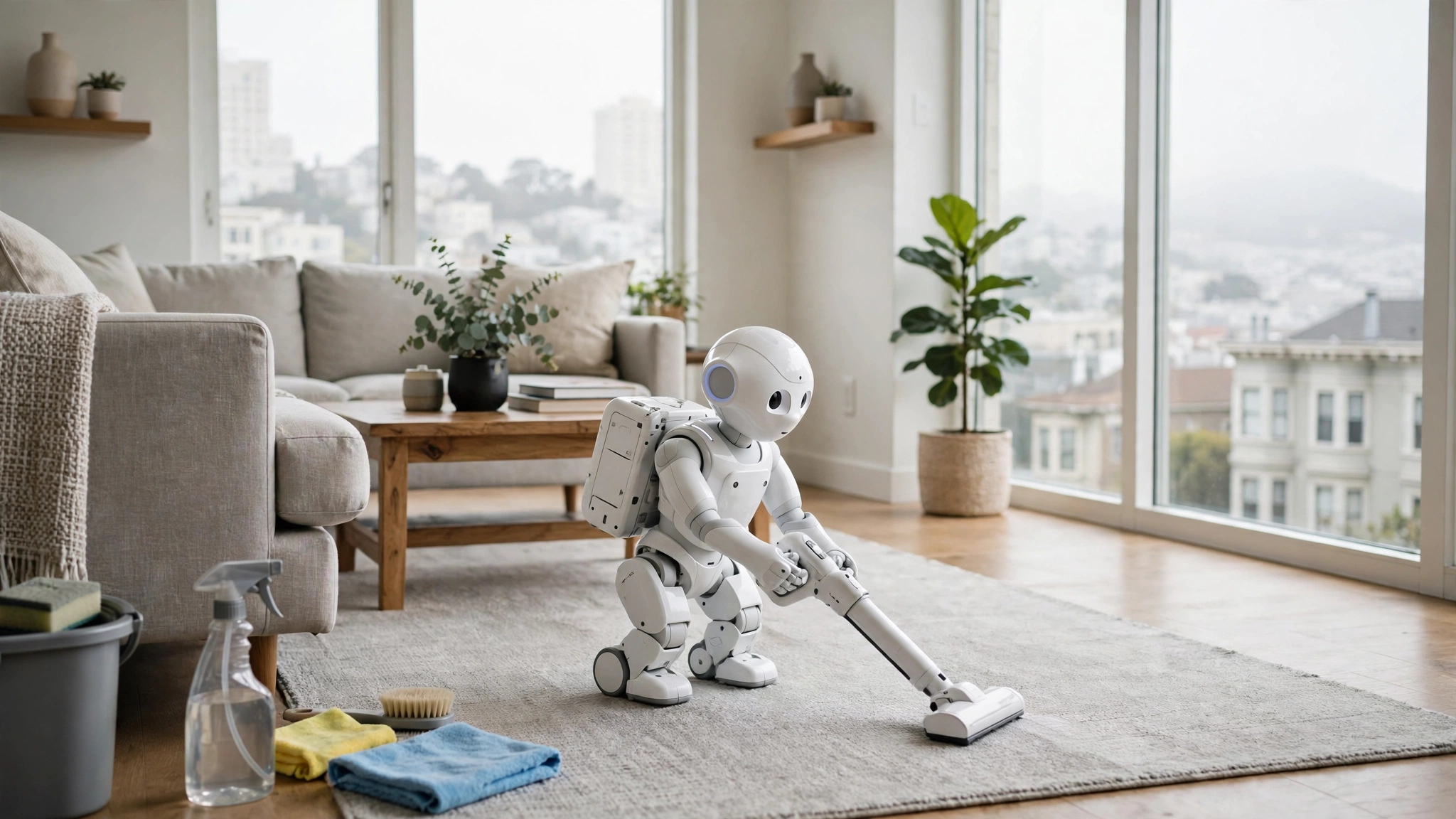
A humanoid robot has started cleaning homes in San Francisco — wiping counters, mopping floors and even scrubbing toilets, for $60 a visit. There is a catch: for now, a human is usually driving the robot from somewhere else.
The service comes from Tau Robotics, a San Francisco startup founded by Alexander Koch and Cornelia Weinzierl. Its invitation-only pilot has been running since July 2026, and an MIT Technology Review reporter who booked a cleaning without revealing she was a journalist has now described what it is actually like to have one in your apartment.
A $30 experiment that became a $60 weekly service
When the pilot opened, Tau charged $30 for an hour-long cleaning with a single robot. The price has since risen: it now costs $60 for a weekly cleaning with two robots, or $100 for a one-time visit. The robots stand about four and a half feet tall, and Koch told CBS News that each one costs roughly $50,000 to build.
The company has completed only a couple of hundred cleanings so far, and new customers still join a waitlist. The service runs in the San Francisco Bay Area and, according to Tau's website, Los Angeles. Koch has said the target is 1,000 cleanings a week in San Francisco by 2027, followed by other American cities and international markets in 2028.
Mostly human-piloted — for now
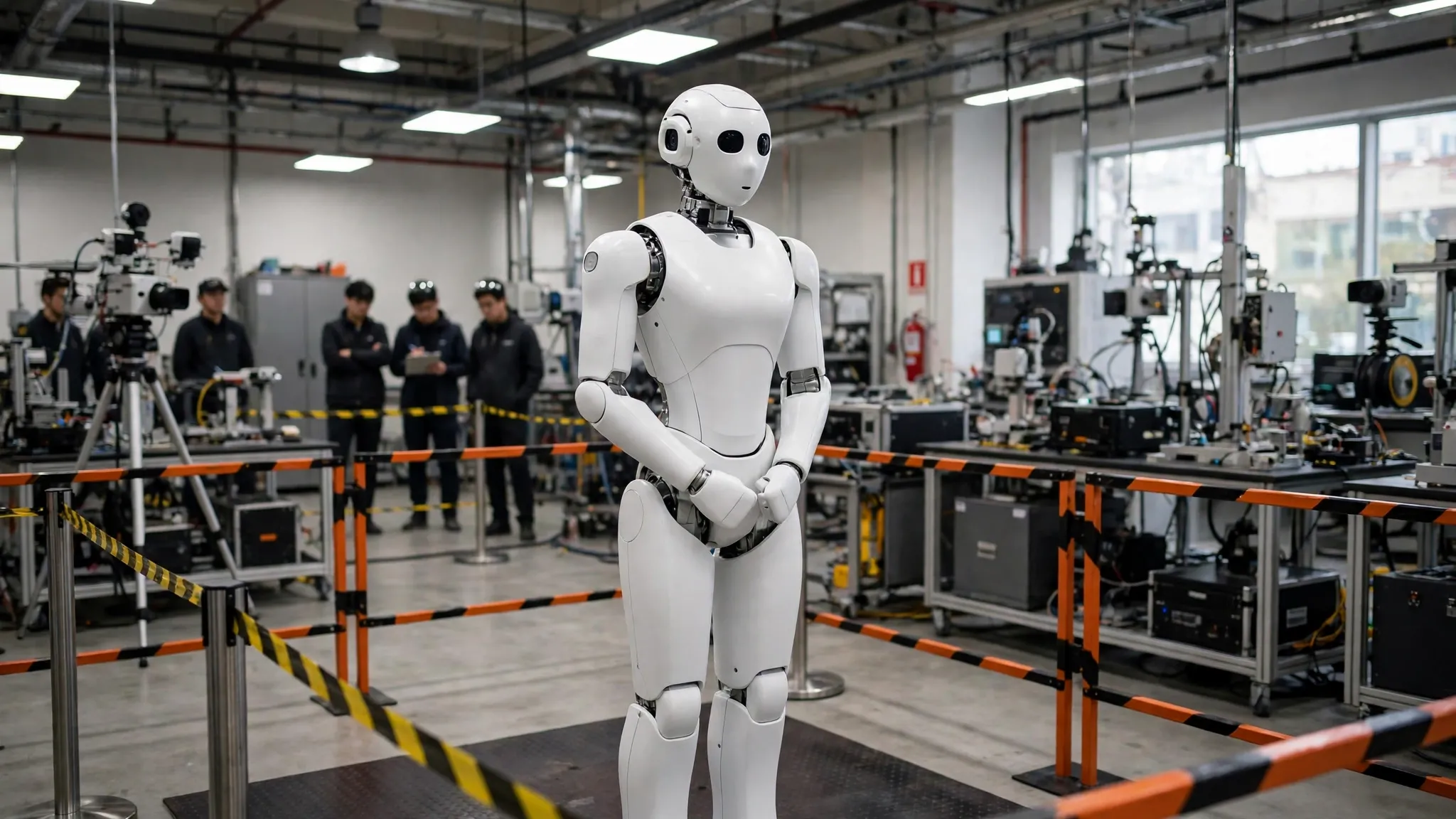
The robots are not yet autonomous cleaners. Human operators pilot them remotely, watching through cameras mounted in the robots' heads and wrists. Weinzierl told MIT Technology Review that the machines can already vacuum and mop without human help, but trickier jobs such as bed-making and folding laundry still rely on what the company calls kinematic guidance — human pilots streaming the motions remotely.
The reporter's own experience showed the gap between the pitch and the apartment. On the first visit the robot struggled on the stairs and had to be carried part of the way up. A second visit about a month later went more smoothly: the machine cleaned the kitchen and even took on the reporter's most dreaded chore, the toilet, though it did not brave the stove.
The data is the real product
Every paid cleaning doubles as training data. Tau records each visit and uses the footage to teach its robots toward full autonomy — a route to a self-driving cleaner that does not depend on solving household work in a lab first.
Whether a few hundred slow, remotely guided visits can produce enough useful data before the novelty wears off is the open question. For now, though, the Jetsons fantasy is a real, bookable service — just one with a human behind the curtain.