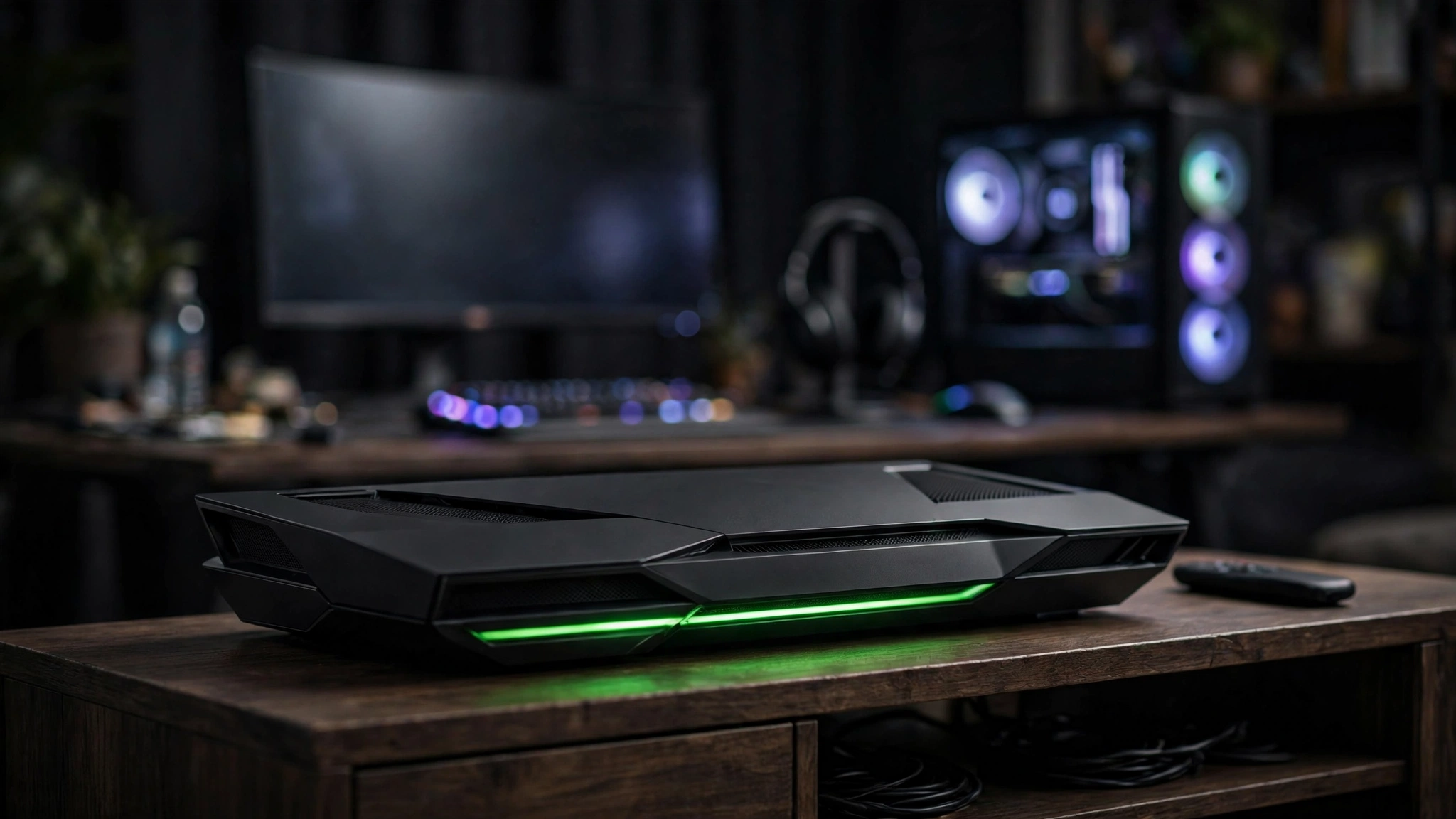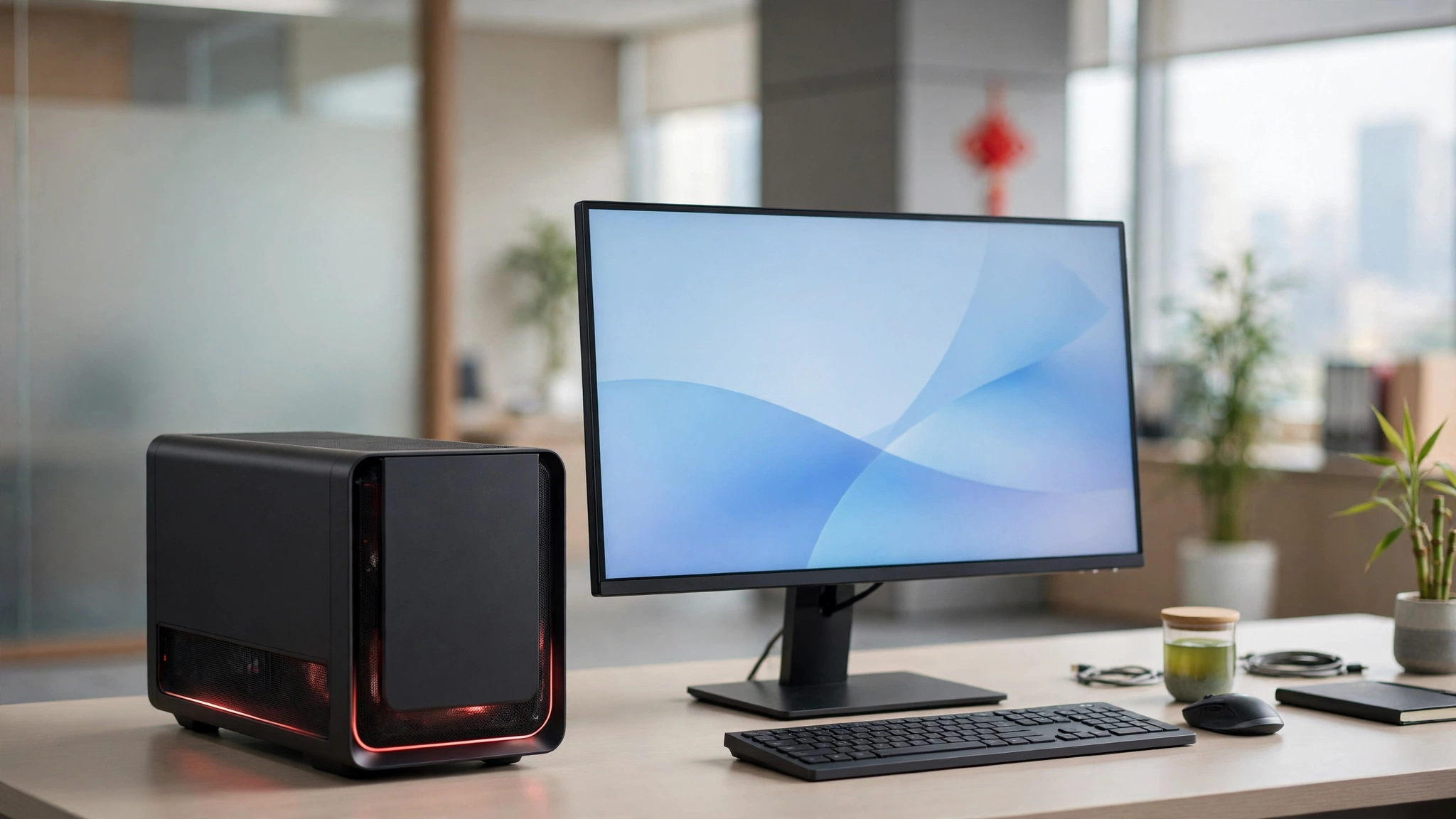
Huawei has unveiled its first desktop computer running its own HarmonyOS operating system, a machine the company says is built entirely from Chinese-made components — from the processor to the memory modules. The Qingyun HM650 series made its debut on November 5 at a HarmonyOS office industry summit in Wuhan, marking the latest step in Huawei's long push for technological self-reliance.
The range covers three models — the HM650, the HM650g and a high-performance HM650g — all built around Huawei's own Kirin X90 processor, designed by its HiSilicon chip arm. The chip, which first appeared in Huawei's laptops and tablets last year, has 10 cores and 20 threads and is paired with Huawei's Maleoon 910 graphics. The machines run HarmonyOS V1.0, an enterprise version of Huawei's own operating system, making this the first time the company has put HarmonyOS on a desktop.
A desktop with no Intel, no Qualcomm and no Windows
Huawei describes the HM650 as the first desktop in China to receive certification as "100 per cent domestic", with the processor, memory and other parts all sourced at home. The exact scope of that certification is unclear, and Huawei has not published a full specification sheet, so independent comparisons with Intel or AMD machines are not yet possible. But the direction of travel is unmistakable: no Intel chip, no Qualcomm part and no Windows anywhere in the machine.
Zhu Dongdong, president of Huawei's tablet and PC product line, told the Wuhan summit that the company reached a fully domestic component rate by combining in-house development of core technologies, joint development for key parts and large-scale production of general-purpose hardware. The Kirin X90 holds a Level 2 national certification for security and reliability, the rating that clears a processor for use in Chinese government procurement.
Built for government offices, not living rooms
The HM650 is aimed squarely at government agencies and companies in China rather than regular shoppers. It is sold through enterprise and government channels, Huawei has published no price, and no international launch has been announced. The desktop also ships with a dedicated key for Huawei's Celia AI assistant and runs on the company's Star Shield Security 2.0 architecture.
The launch caps a steady build-out of Huawei's PC business since US sanctions cut it off from American chips and software. Huawei said cumulative shipments of HarmonyOS computers have passed one million units, a figure it expects to reach 1.2 million by the end of the year. The HarmonyOS ecosystem for computers now counts more than 21,000 applications, according to reports from the launch.
Why it matters
For Beijing, the HM650 is a proof point: a complete computing stack — silicon, operating system and applications — assembled without a single American supplier. Chinese authorities have ordered government agencies and party organs above the township level to buy approved domestic technology, and the approved list is kept by the China Information Technology Security Evaluation Center, the body that certified the Kirin X90.
For Intel and AMD, the message is less welcome. China has long been one of the largest markets for foreign PC chips, and every government desktop that ships with a Kirin processor instead is a sale that never reaches them. The HM650 will not appear on store shelves outside China any time soon, but as a demonstration of how far Huawei's domestic supply chain has come, it is hard to ignore.