Google's November Pixel Drop is here, and it brings the Pixel 11's headline AI tricks to last year's phones — along with the company's first-ever item tracker, the Pixel Tag, which goes on sale today.
Announced on November 10, the update starts rolling out to supported Pixel phones, tablets and watches now and will continue over the next several weeks. The biggest news is for Pixel 10 owners: Gemini Intelligence, previously exclusive to the Pixel 11 series, is coming to the Pixel 10, Pixel 10 Pro, Pixel 10 Pro XL and Pixel 10 Pro Fold. The cheaper Pixel 10a is left out.
Gemini Intelligence comes to the Pixel 10
Gemini Intelligence bundles three things: personalised suggestions, multi-step task handling, and Rambler, a new Gboard voice-typing tool. Rambler strips filler words such as "um" from dictation and turns spoken rambling into cleaner, formatted text — and Google says it works in all regions and languages on Pixel 10.
The multi-step tasks are more limited: Gemini can now handle things like placing a morning coffee order, ordering takeout, booking a ride or finding a restaurant reservation, but only in Japan, the UK and India for now. Proactive suggestions, such as one-tap ETA sharing, and the AI-built Create My Widget home-screen feature are also limited to select markets and languages.
The drop ships alongside Android 17 QPR2, and Google's November security bulletin lists 166 vulnerabilities fixed on its own devices. Pixel 11 owners get a few extras of their own: HiLight notifications in Google Messages on the Pixel 11 Pro models, an upgraded Gemini Call Screen in the US, and Pixel Solver, a generative-AI problem solver built into the Calculator app.
Pixel Tag: Google's first finder tag, $29.99
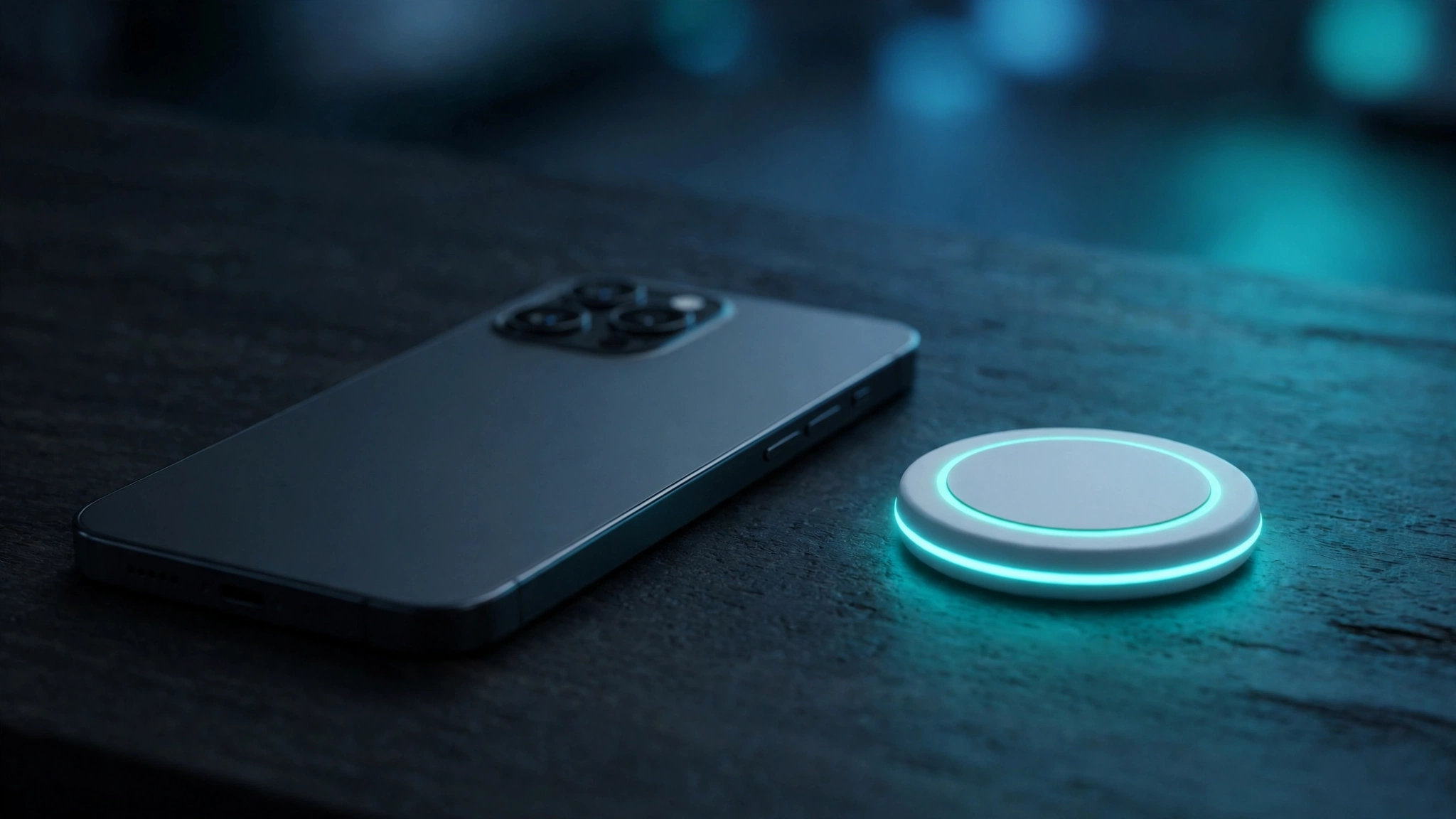
The Pixel Tag, first shown at Google's Made by Google event in August, goes on sale November 11 for $29.99, or $99.99 for a four-pack. The slim tracker is designed to slip into a wallet or attach to belongings, and it taps into Google's Find Hub network of more than one billion Android devices to locate lost items. It uses ultra-wideband for precise finding, works with any phone running Android 9 or later, and Google says its battery lasts more than a year.
It is Google's answer to Apple's AirTag and Samsung's SmartTag — and a late one, arriving years after both rivals. The difference is the network: with over a billion Android devices in the Find Hub network, the tag's coverage could be hard to beat, at least for Android users.
What else is in the drop
Google Fi's new super network also starts rolling out on November 10 for eligible Pixel phones, and the update brings smaller touches across the lineup, including custom icons, a transit mode and unit conversion for Pixel 6a and newer devices.
Not every feature reaches every phone — Google's own footnotes make clear that several Gemini Intelligence tools are limited by country, language or model — but for Pixel 10 owners, the headline is simple: the AI features that sold the Pixel 11 are now coming to the phone they already own.