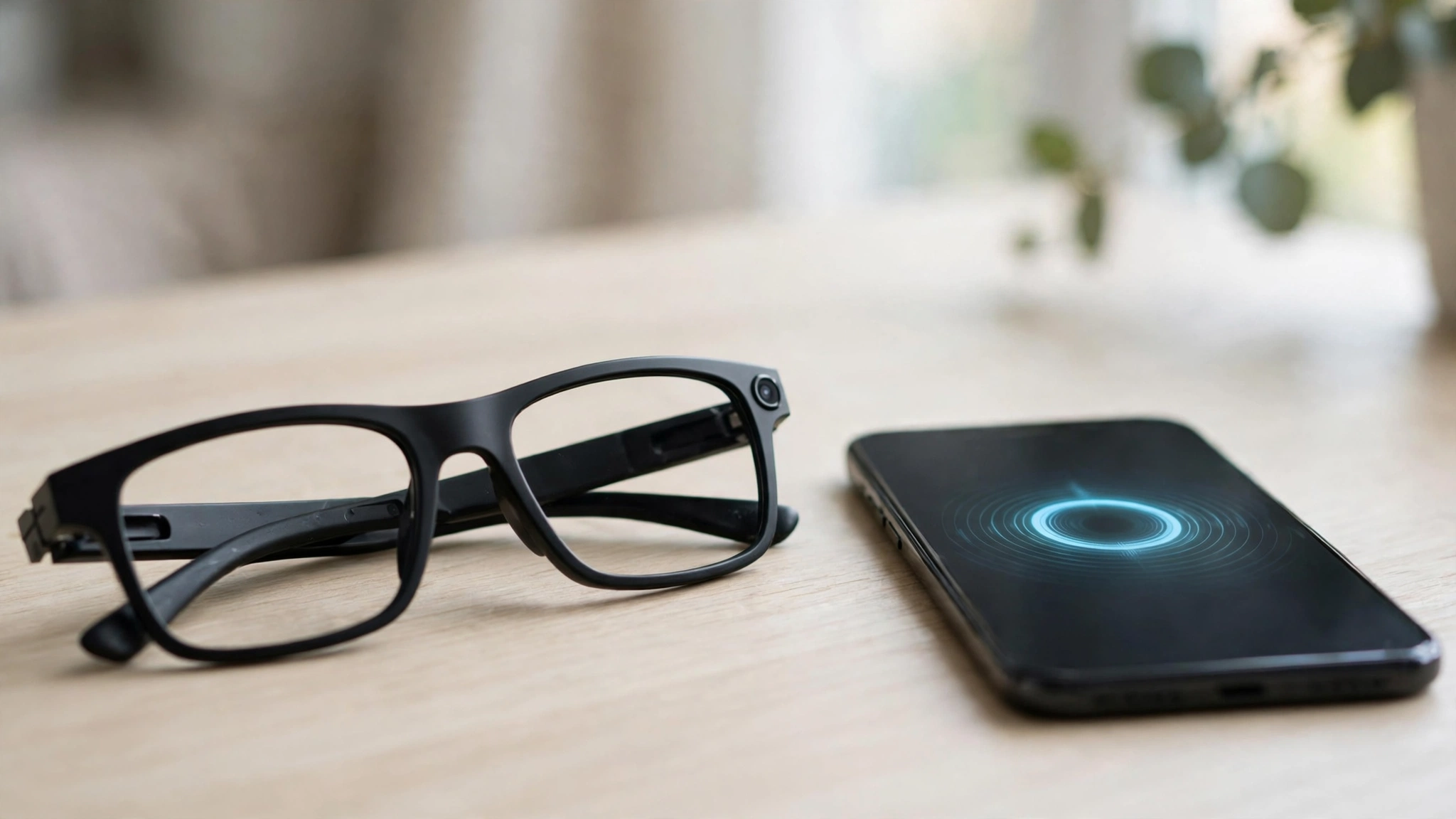
Google and Samsung have opened preorders for their first Gemini-powered smart glasses, with prices starting at $395 and the devices set to go on sale in the United States and South Korea on December 10.
Samsung announced the launch on November 12, confirming the full Intelligent Eyewear lineup: 30 designs across two eyewear brands, Warby Parker and Gentle Monster. Samsung engineered the hardware, Google supplies Gemini and the software, and the two fashion houses designed the frames. The glasses run Google's Android XR operating system.
Warby Parker offers three styles — Alden, Reid and Wren — in 14 variations, starting at $395 for optical and sun versions. Gentle Monster offers six designs in 16 variations, priced from $449 to $489. Both collections are available to preorder online and in stores, with the Warby Parker line sold in the US and the Gentle Monster line in the US and South Korea. Google will not sell the glasses directly at launch; sales run through the two brands' own channels, with hands-on demos at select stores.
Thirty designs, two price points
The glasses are built around a Qualcomm Snapdragon AR1 Gen 1 chip with 2GB of RAM and 64GB of storage, and a 12-megapixel ultra-wide camera that takes photos and video on a button press or a voice command. They pair with iPhone 13 Pro and later models, Pixel 7 and later phones running the September 2026 Android 17 update, and Galaxy S, S FE and Z series phones on One UI 9.0 or later.
There is one notable omission: none of the nine styles has a heads-up display. The camera and audio feedback from Gemini are the interface for now, and Google has said a display version is coming later without giving a date. Prescription pricing beyond the $395 starting figure has also not been confirmed.
What Gemini can do — and what it cannot see
Wearers wake Gemini by saying "Hey Gemini" or tapping the frames. The assistant can answer questions about what the wearer is looking at, translate speech in real time, and handle everyday tasks without the wearer reaching for a phone. Google says the glasses are designed to redact bystanders' faces before Gemini processes what the camera sees.
The privacy terms deserve a careful read. Google says camera visuals are not saved to Gemini History and are not used to train AI models or target ads. Conversation text is different: Gemini activity is auto-deleted after 18 months, and reviewed chats can be retained for up to three years. Age verification is required to activate the glasses, and use requires an 18-plus Google account from the United States or South Korea.
Taking on Meta's Ray-Ban lead
The $395 entry price sits $54 below Meta's newest Ray-Ban Meta Gen 3, priced at $449, though several other Meta models still cost less — and Meta leads the smart-glasses category today. Google and Samsung are betting that Gemini's live translation and visual understanding, plus the fashion-first frames, can close that gap in the holiday season.
The timing is deliberate: preorders opened just as the holiday shopping season begins, and the December 10 sale date puts the glasses on shelves a fortnight before Christmas. Samsung first confirmed it was working on AR glasses for 2026 back in January, and the devices appeared in FCC filings in October. Whether shoppers pick Gemini over Meta's established lineup will be the first real test of Google's return to smart glasses.