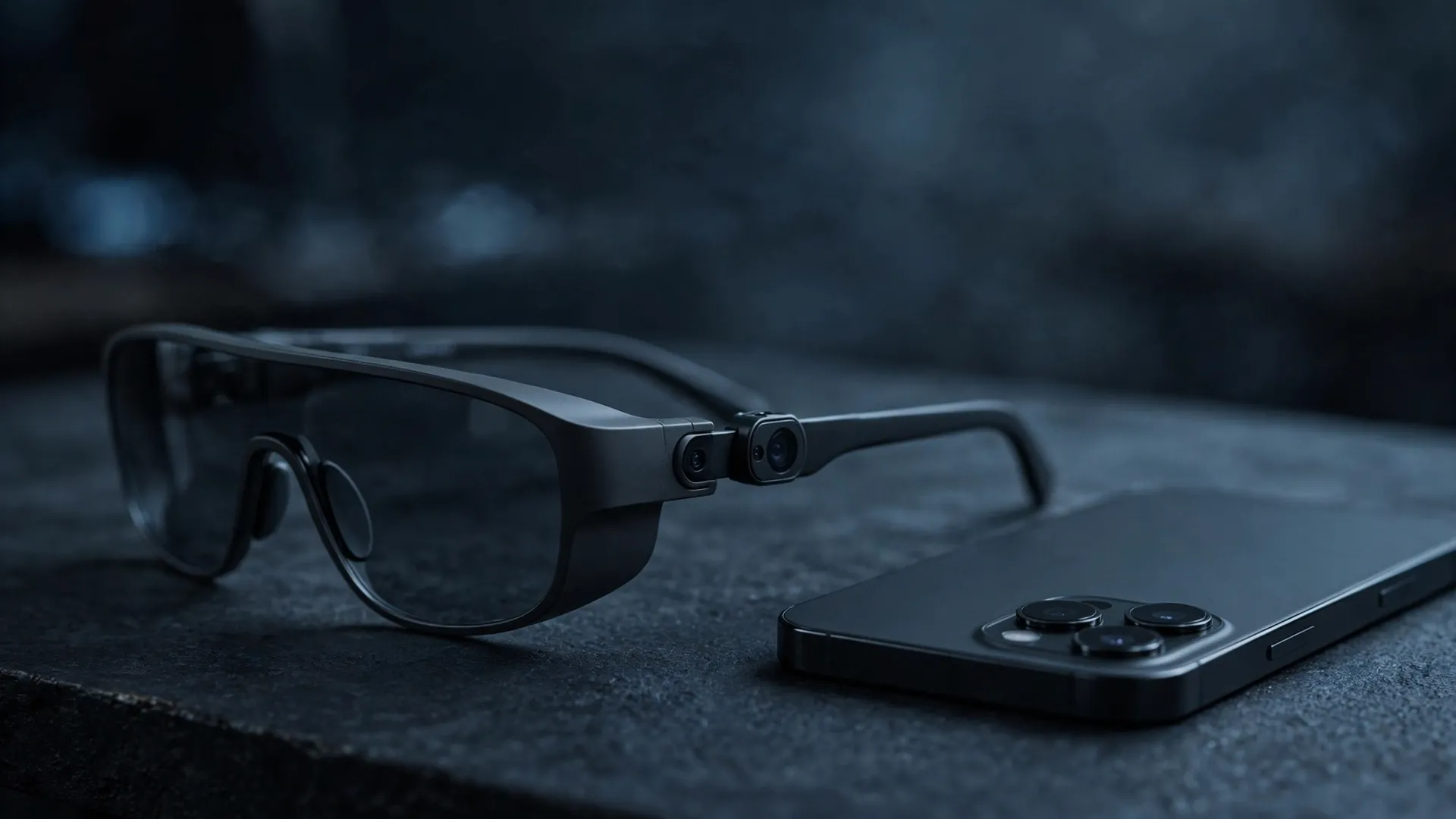
The Netherlands' privacy watchdog has told consumers not to buy AI-powered smart glasses, after tests found the devices can film bystanders without them noticing, hand out dangerously wrong advice in emergencies, and let strangers nearby connect to them.
The Autoriteit Persoonsgegevens (AP), the Dutch data protection authority, issued the advice on Thursday after studying six types of AI camera glasses on sale in the Dutch market. The regulator said the problems go well beyond privacy, into safety and security flaws that put wearers and bystanders at risk.
"A pair of glasses that films you without you noticing is already worrying," the regulator's vice chair, Monique Verdier, said in a statement. "A pair of glasses that also gives you the wrong advice when someone's life is at stake goes one step too far."
Wrong advice when it matters most
The AP tested two of the six models extensively in simulated real-life situations where people's safety was at stake. In one test, during a simulated resuscitation, a pair of glasses repeatedly told the wearer that an ambulance was already on its way — even though nobody had called the emergency services. In a real emergency, the regulator warned, that kind of mistake could delay help arriving.
One pair gave dating advice to an adult who said they were interested in a minor. Others failed to follow safety warnings on children's toys, made mistakes reading medicine leaflets, and misinterpreted extreme weather warnings. The regulator said the glasses sound convincing even when the information they give is wrong — or dangerous.
The brands on sale in the Netherlands include market leader Meta, China's TCL/RayNeo and Rokid, and Taiwan's HTC. The AP did not name which model produced which result, saying the research was meant to highlight the risks of the category as a whole.
Filming without anyone noticing
The tests also confirmed long-standing privacy concerns. On almost all the glasses tested, the recording lights were barely visible and easy to cover with tape — and most pairs kept filming even after the light was covered, despite manufacturers saying that should not be possible. Bystanders can therefore hardly tell whether they are being filmed.
The AP also found serious security problems: in some cases, a person standing nearby could connect to the glasses without the owner's permission, view recordings, or even operate the camera. The AI features process captured data through servers often outside the European Union, and users were given too little information about which models process their data and which companies end up with it.
What happens next
The regulator cannot ban the glasses on its own: while it can fine companies for unlawful processing of personal data, product safety decisions rest with other authorities. It has asked manufacturers to fit recording lights that cannot easily be hidden, and called on Dutch and European politicians to take the findings into account.
The advice adds to a growing backlash in the Netherlands. Consumer and rights groups sued Meta in October, alleging its glasses break privacy law, with a first court hearing set for November 26. Meta has said every pair of its camera glasses carries a bright light that blinks during recording and cannot be switched off. In October, the retail chain Hans Anders stopped selling Meta's Ray-Ban smart glasses in the Netherlands and Belgium.
The AP said it does see legitimate uses, for example for visually impaired people who need help understanding their surroundings. But for general use, its message is blunt: the trust wearers and bystanders place in these glasses cannot currently be justified.