Amazon has canceled orders for Nvidia AI hardware placed by individual buyers — and in one case closed the buyer's account altogether — according to reports published on November 2 and 3, in a sign of how scarce cutting-edge AI silicon has become even at ordinary retail.
Four orders, then an account closure
AI educator Nick Saraev placed four separate orders on October 31 for Nvidia's DGX Spark, the company's compact desktop AI computer. According to a report by Wccftech, Amazon canceled all four, put him through what he described as a vague identity verification process, and then closed his account outright. Saraev shared an email from the retailer saying it had completed a verification process and, after careful review, had decided to close the account. He said he had never encountered such a problem before.
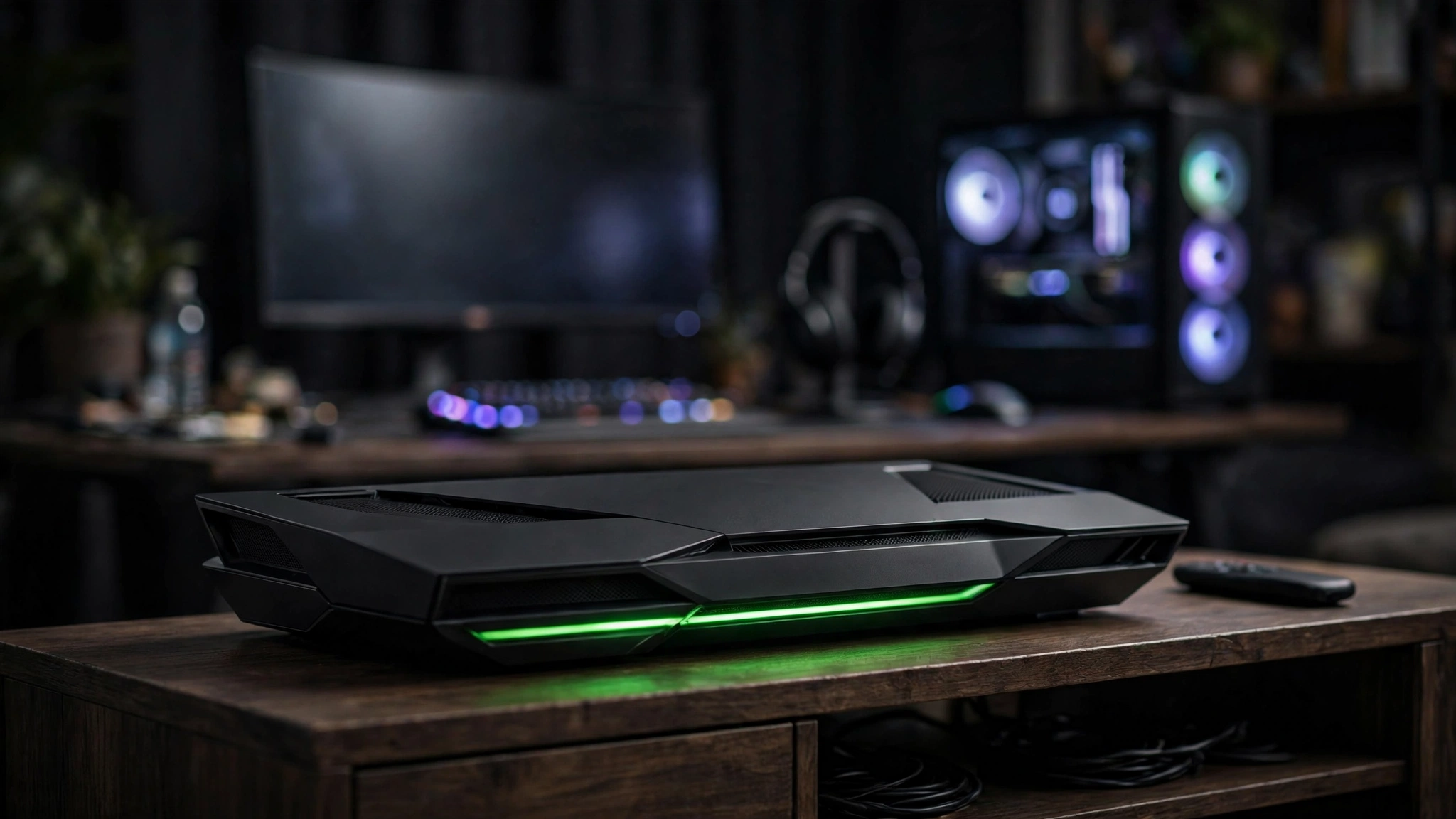
The DGX Spark is not a data-centre server. Nvidia markets it to individual developers, researchers and data scientists: a small desktop machine built around the GB10 Grace Blackwell Superchip, offering up to one petaflop of AI performance with 128 GB of unified memory. That positioning is part of why the cancellations surprised buyers — this is hardware sold as a personal workstation, not a bulk data-centre purchase.
Even Tim Sweeney got caught up
Epic Games chief executive Tim Sweeney said he was caught up in the same pattern. He ordered two Nvidia graphics cards on Amazon, and the retailer canceled the orders shortly before they were due to arrive. His account stayed open, but the cards never came. His case suggests the issue is not only about bulk buying: two units, ordered by one of the games industry's best-known executives, met the same fate.
The reports are careful about scope. These were retail purchases on Amazon.com by individual buyers trying to get their hands on Nvidia hardware — not cloud contracts with Amazon Web Services or allocations to large AI labs. Sweeney was not buying capacity for Epic's infrastructure; he was trying to buy graphics cards.
No explanation — and a familiar pattern
Amazon has not publicly responded to either case, and nobody outside the company has said why the orders were canceled. Possible explanations circulating in the coverage — anti-scalper enforcement, fraud flags triggered by several high-value orders placed in quick succession, or export-compliance screening given documented cases of GPU diversion — are all unconfirmed, and the account closure itself remains an allegation rather than an independently verified event.
Amazon has canceled graphics-card orders before when stock ran short, notably during past GeForce shortages. What is different this time is the account closure that followed the cancellations. For buyers, the episode is a reminder that retail is no escape valve from the AI hardware crunch: the same silicon everyone is chasing is policed at checkout too, and for now Amazon is not saying what its rules are.