By Hamza Faisal
Volkswagen Group has named NXP Semiconductors a strategic technology partner for its future software-defined vehicles, deepening a cooperation that will put NXP's S32K5 microcontrollers at the centre of the carmaker's next-generation vehicle architecture. The agreement was announced on October 26, 2026, ahead of the International Suppliers Fair (IZB) in Wolfsburg, Germany.
Under the partnership, NXP's S32K5 family of microcontrollers will serve as a common building block across Volkswagen Group's future zonal architecture, used across its brands and vehicle segments. The first vehicle featuring the new architecture is planned for 2027.
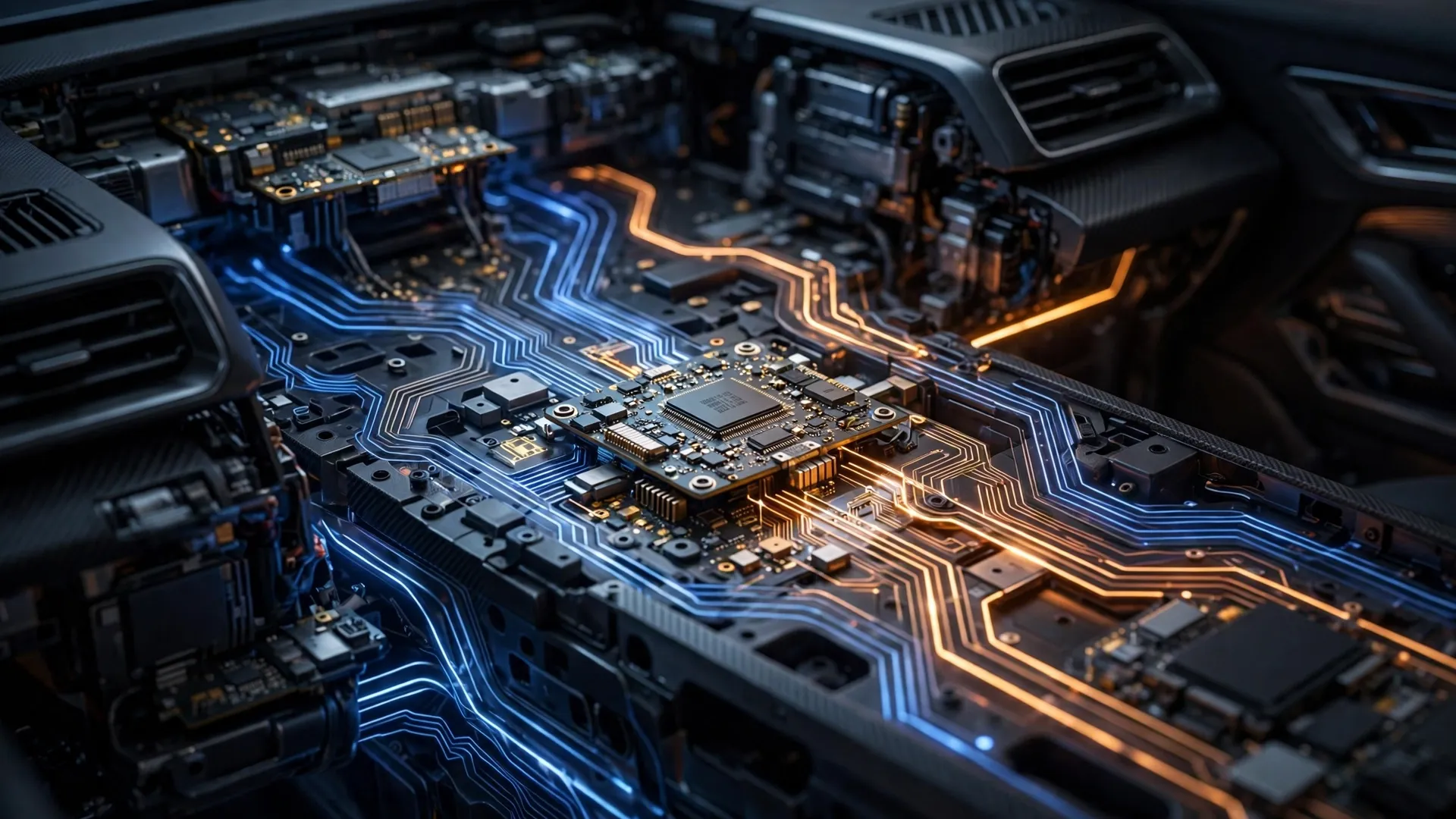
The move matters because modern cars now carry so many digital functions that the old way of building them is breaking down. Traditionally, each function got its own electronic control unit, a separate little computer wired into the car. As features multiplied, so did complexity, parts counts and development cost. Zonal architecture flips that model: powerful controllers manage whole zones of the vehicle, consolidating functions that once needed separate chips and boxes.
One chip family across brands and segments
In Volkswagen's design, the S32K5 microcontrollers will act as the core processors of the zonal controllers. They will connect sensors and actuators, process data from specific areas of the vehicle and manage functions including lighting, body systems, comfort, chassis and safety. They will work alongside high-performance central processors that handle computing-heavy work such as automated driving, AI-enabled functions and advanced infotainment, giving the central computing platform a reliable foundation to build on.
The architecture itself is being developed by Rivian and Volkswagen Group Technologies, known as RV Tech, the joint venture between Volkswagen Group and Rivian. It is planned for use across vehicles from both companies, while each brand keeps its own features and customer-facing experience. Using one common microcontroller family across programmes is meant to cut hardware complexity and let the same technology scale from one model to the next.
Why Volkswagen wants direct chip deals
The partnership is part of Volkswagen's broader semiconductor strategy: instead of buying chips through intermediaries, the group is striking direct, long-term deals with chipmakers so it can define technology requirements earlier, coordinate development and gain more planning certainty. That approach is also meant to strengthen supply resilience, a lesson the auto industry learned the hard way during the chip shortages of recent years.
Karsten Schnake, a member of the Volkswagen Brand Board of Management responsible for procurement, said the partnership reflects the group's effort to take a more active role in the semiconductor value chain by defining requirements early and using its purchasing and development scale across brands. Werner Tietz, responsible for Group Research and Development, said the zonal architecture is intended to reduce complexity and support digital functions across multiple brands and segments.
Part of a bigger 2030 plan
For NXP, the agreement places its S32K5 chips inside the planned architecture for both Volkswagen Group and Rivian vehicles. The company says the technology is designed to support real-time computing, secure over-the-air software updates and the consolidation of vehicle functions, three capabilities that matter more with every model year as cars become more software-driven.
The deal also fits Volkswagen's Target Picture 2030 programme, which seeks to use common technologies and operational synergies across brands and regions. As the industry's contest shifts from horsepower to software, the winners may be decided as much by who controls the electronics architecture as by who builds the best body. The first test of this bet arrives in 2027, when the first vehicle on the new zonal architecture is due to reach customers.


