By Hamza Faisal
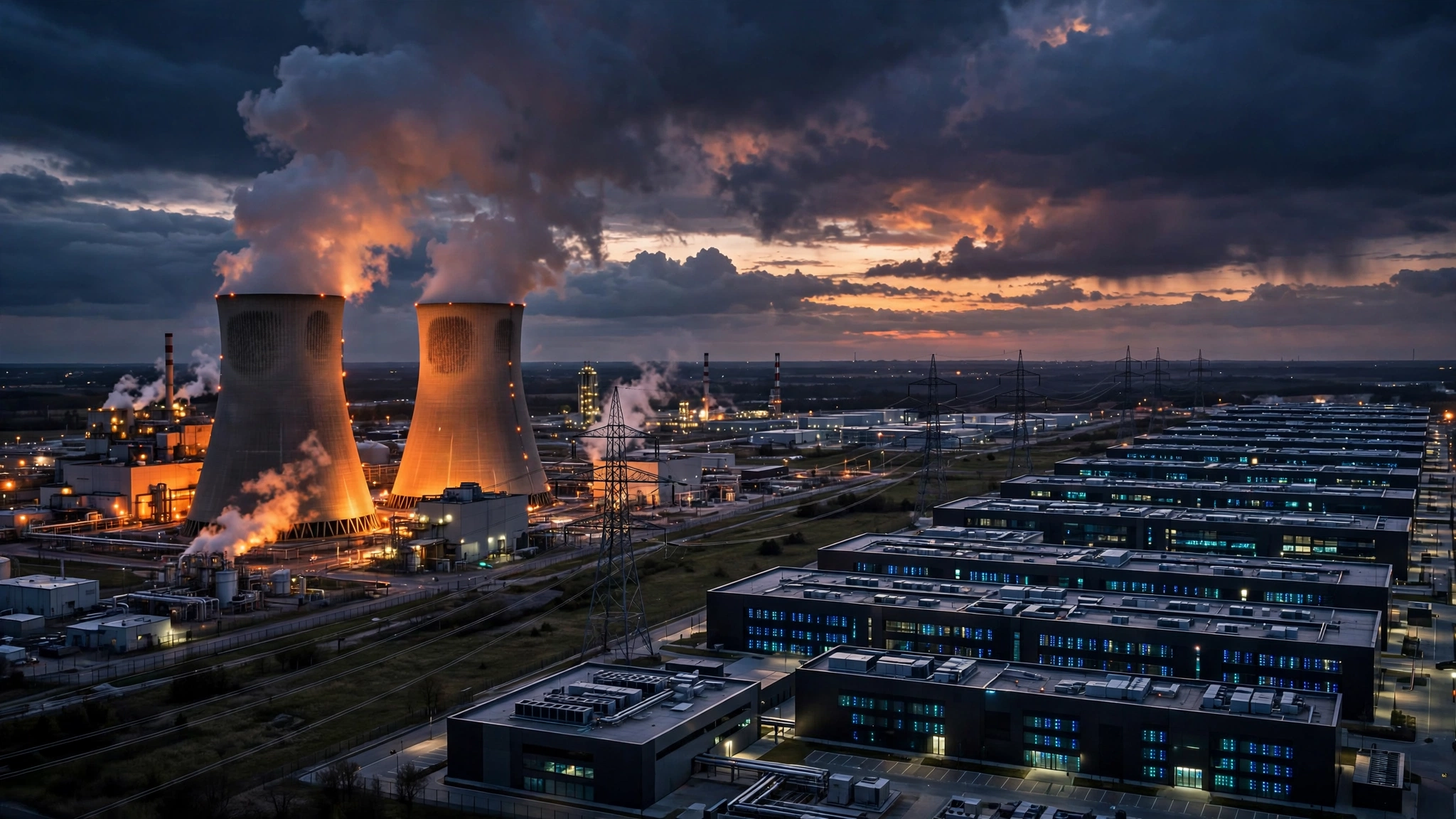
The US government is putting up to $5 billion behind the fastest way to feed the artificial intelligence boom: squeezing more power out of nuclear plants that already exist. The Department of Energy announced a conditional loan commitment to Constellation Energy on October 27 to upgrade reactors at eight power stations, adding nearly 1.1 gigawatts of capacity to a grid straining under data-center demand.
The financing comes from the department's Office of Energy Dominance Financing and has not yet been finalized, but it signals how Washington now views the AI power crunch. Building a new reactor can take a decade or more to permit and construct; upgrading the turbines and equipment inside an existing plant can deliver extra electricity far sooner and at a fraction of the cost.
Eleven reactors, eight plants, one buyer class
Constellation plans to use the money to "uprate" 11 existing reactors, an industry term for raising a reactor's output, often by using more highly enriched uranium and upgrading equipment to handle the increased power. The eight plants are six in Illinois — Braidwood, Byron, Clinton, Dresden, LaSalle and Quad Cities — plus Calvert Cliffs in Maryland and Limerick in Pennsylvania.
Constellation said it had already committed more than $7 billion to add 1,080 megawatts of nuclear capacity, and that the loan commitment could lower financing costs for the projects. The company is the largest operator of nuclear plants in the United States, and the upgrades form part of a wider push by the Trump administration to add 5 gigawatts of capacity through plant uprates, 96% of which the department says has already been achieved.
Already spoken for by Big Tech
What makes the deal striking is who the extra power is for. Most or all of the additional output from seven of the eight facilities has already been bought by Google, Meta or Amazon. Google is the confirmed buyer of extra power from the Pennsylvania plant and four Illinois plants, Amazon is buying electricity from the Maryland plant, and Meta is effectively buying the entire Clinton plant in Illinois.
The arrangement extends a pattern that has defined the AI era: tech companies locking up clean, round-the-clock power years ahead of need. Earlier in October, Constellation announced a separate $4.3 billion plan to upgrade 11 reactors by 890 megawatts to supply Google's data centers under a 20-year power-purchase agreement.
A nuclear renaissance, with questions attached
Energy Secretary Chris Wright framed the loan as part of an American nuclear revival. "The Energy Department is accelerating President Trump's American nuclear renaissance and unlocking the full potential of our nation's nuclear fleet," Wright said, adding that upgrades can expand supply while supporting grid reliability and affordability for consumers and businesses.
That affordability claim is unproven. The department touted the loan as supporting "affordable, reliable power to American homes and businesses," but there is no evidence the new capacity will lower prices for residential ratepayers, and Constellation would not confirm that it would. Investors, at least, liked the news: Constellation shares rose as much as 5.3% after the announcement. For the AI industry, the message is simpler — the cheapest new megawatt is increasingly the one that was already there.


