By Hamza Faisal
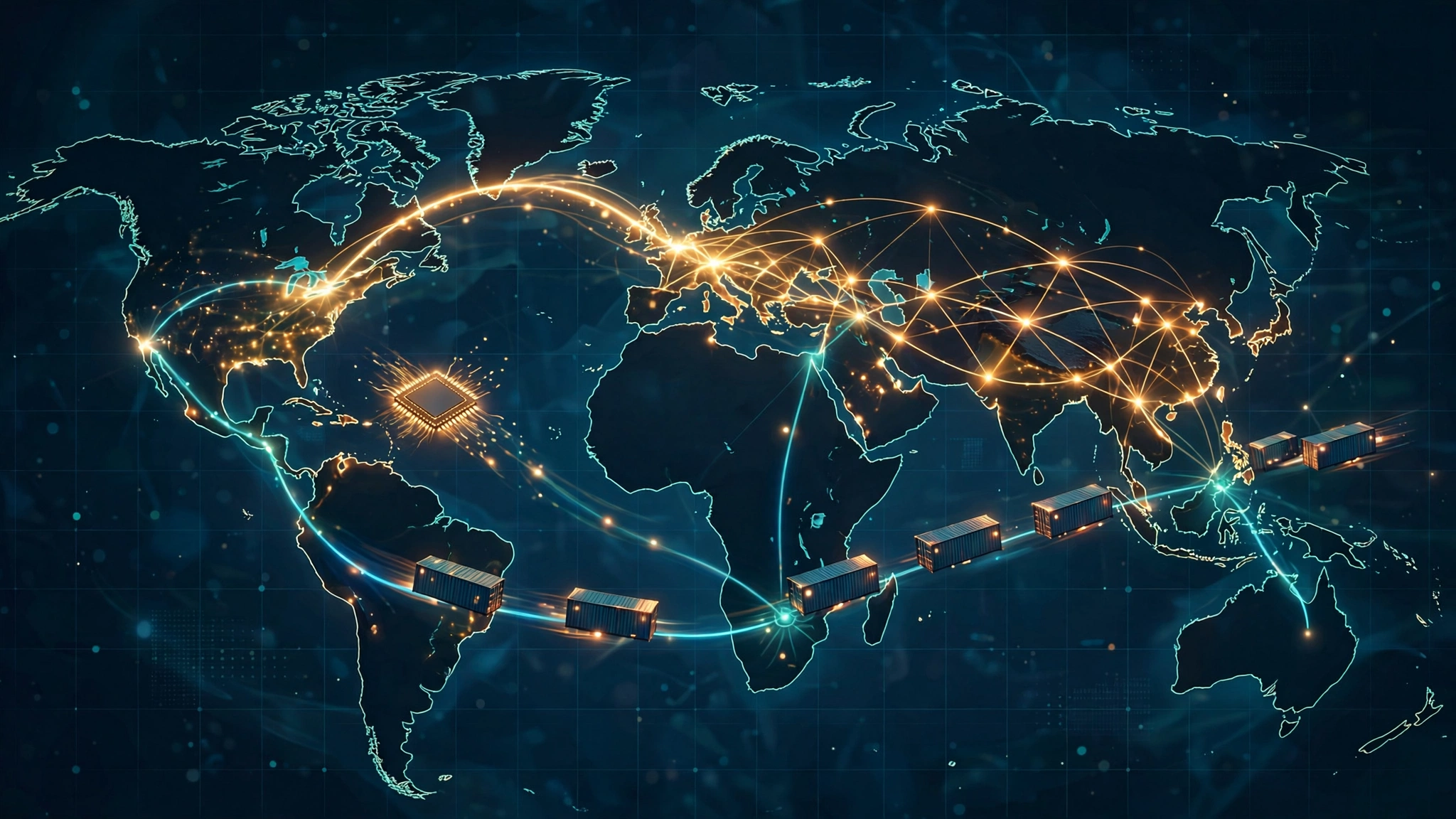
The United States and eight allied nations have signed a new declaration committing them to jointly protect the technologies and supply chains behind artificial intelligence, in the clearest move yet to reduce the West's dependence on China for the building blocks of the AI era.
The nine countries signed the San Francisco Declaration on the Secure Foundations of Enduring Prosperity on Sunday, November 15, the Financial Times first reported. The signatories are the United States, Japan, Australia, Israel, the United Kingdom, South Korea, India, Qatar and the United Arab Emirates. Germany, Sweden, the Netherlands and the European Commission are expected to sign next week.
A joint list of what to protect
The core of the agreement is a shared list. The signatories have pledged to jointly identify the sensitive AI technologies and critical supply chains that need protection from theft or unauthorised transfer, and to coordinate measures to keep them secure. The declaration covers semiconductors, critical minerals, energy and industrial capacity — the raw materials and hardware on which AI development depends.
Jacob Helberg, the US Under Secretary of State for Economic Affairs who negotiated the pact, told the Financial Times that the partners had agreed to treat the security of those technologies and the infrastructure behind them as a shared responsibility. The declaration states that economic security is the foundation of national security, and calls for stronger protections against technologies reaching actors who could use them for military or intelligence advantage.
Working groups and new hubs
The agreement also sets up working groups to examine vulnerabilities in AI supply chains and to develop new industrial and investment hubs linked to artificial intelligence. Participating countries agreed to expand information sharing on where supply chain diversification is most needed, so that no single country is left exposed if a key input is cut off.
The declaration is part of Pax Silica, the US-led initiative launched in 2025 to build resilient AI supply chains among allies. The original Pax Silica declaration now counts 25 signatories — 24 countries plus the European Union — with Taiwan participating without signing. The nine-nation group that signed on Sunday is the core of countries with chipmaking capacity, advanced model laboratories or Gulf capital, making the protected-technologies list more enforceable than a purely symbolic pledge.
Timed for the Trump–Xi meeting
The timing is deliberate. The pact lands just days before President Donald Trump is scheduled to meet Chinese President Xi Jinping on the sidelines of the Asia-Pacific Economic Cooperation summit in Shenzhen on Thursday, November 19. The agreement is widely seen as part of Washington's effort to go into that meeting with allied supply chains already aligned.
For now, the only public account of what was signed is the Financial Times report: the US State Department had not published the declaration text on its Pax Silica pages as of Sunday evening. Whether the technology list itself is ever published, and in how much detail, will be the real test of whether the declaration changes anything on the ground — or remains a statement of intent.