By Hamza Faisal
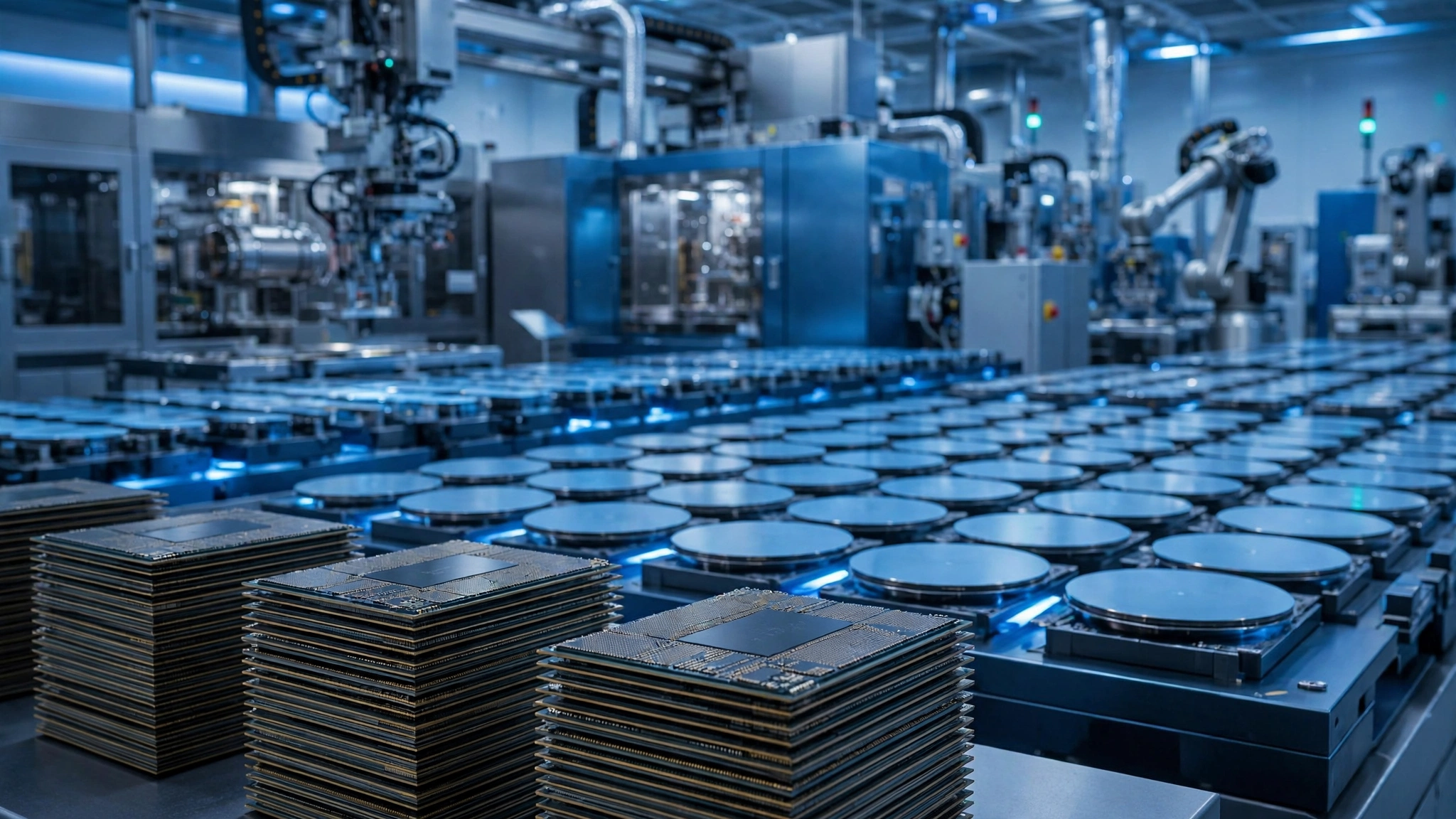
TSMC is considering a move into advanced memory chip production, drafting plans to manufacture a type of memory called 3D DRAM at the request of Nvidia, its biggest customer. The Information reported the development on Friday, November 6, citing two people with direct knowledge of the matter, and Reuters and Bloomberg both picked up the report the same day.
If it goes ahead, the step would push the world's largest contract chipmaker into a market it has historically left to others, at a moment when memory is in desperately short supply. TSMC has not announced a plan, and no timeline, investment figure or production target has been disclosed. TSMC told The Information it does not comment on market rumours or speculation, and Nvidia did not respond to requests for comment.
A foundry weighing a new kind of factory
According to the report, TSMC is weighing two routes to memory capacity: building new factories for advanced memory chips, or acquiring an existing plant and converting it, similar to Micron's move this year to buy a fab and convert it for DRAM output. The effort is reportedly being led by Hsu Kuo-chin, a TSMC vice president who oversees advanced packaging and previously worked at Micron.
3D DRAM is a memory architecture that stacks memory cells vertically, rather than in a single horizontal layer, to boost capacity. It differs from high-bandwidth memory, or HBM, the technology used alongside AI processors today, which stacks separate DRAM dies into a single package. Samsung, SK Hynix and Micron are all working on 3D DRAM too, and SK Hynix's roadmap lists it for around 2030.
The move would mark a sharp departure from the foundry-only model that TSMC founder Morris Chang built the company around. TSMC makes the logic chips designed by others and has stayed out of the memory business for decades, even as memory makers became some of its closest packaging partners.
Why Nvidia is asking now
The push comes as a severe, AI-driven shortage of memory chips has pushed up prices and sent chip designers scrambling for additional supply. AI data centres are swallowing memory faster than Samsung, SK Hynix and Micron can add wafers, and the knock-on effect is already reaching PC builders through DDR5 and graphics memory pricing. Micron has said it expects the shortage to persist into 2028.
Nvidia has been working to secure and standardise the chips feeding its accelerators. In October, it reportedly asked Samsung, SK Hynix and Micron to use TSMC's 3-nanometre process for the base dies of its custom high-bandwidth memory, and Samsung plans to do so. Asking TSMC to make the DRAM itself is the next, much larger step, and it would put the foundry in direct competition with three companies that are also its packaging partners.
Markets moved before the details arrived
Investors did not wait for confirmation. TSMC's US-listed shares rose about 6 percent on Friday, trading around $374.17 at midday in New York, while Nvidia was up 3.5 percent at $187.94. Shares of Micron and SK Hynix fell after the report surfaced, a sign of how jittery the AI supply chain has become.
A memory entry would take years and heavy capital to build out, and the plans are still exploratory, with no confirmed investment, capacity or production date. But the report alone shows how far the AI memory crunch is pushing the industry's old boundaries: the company that builds the brains of the AI boom is now weighing whether to build its memory too.