By Hamza Faisal
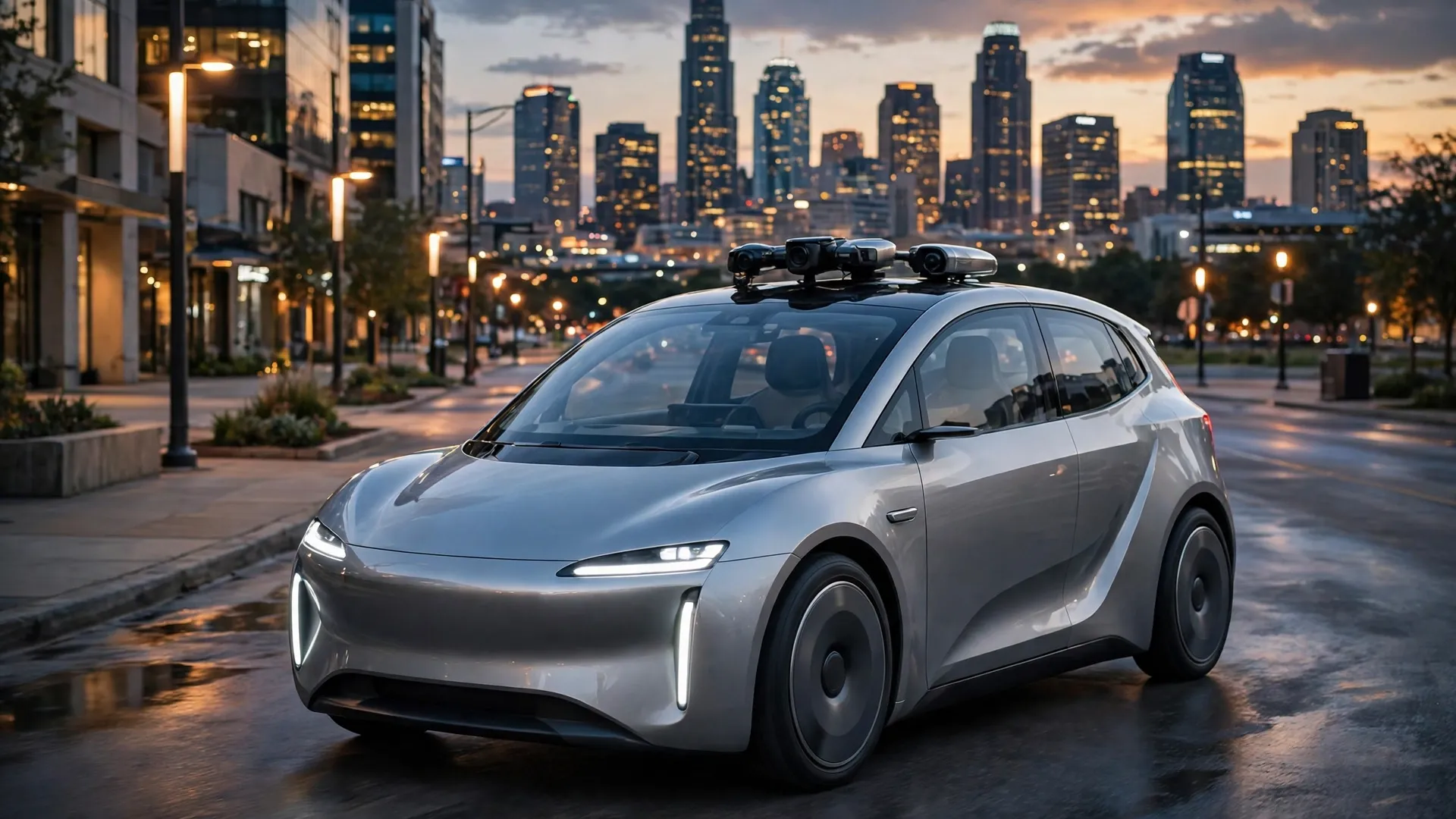
Tesla's purpose-built robotaxi is about to leave its home city. The company plans to expand its Cybercab service to Dallas in November, making the Texas city the first place outside Austin to get the two-seat car that has no steering wheel and no pedals.
The move was confirmed on Tesla's third-quarter earnings call on October 21, when AI chief Ashok Elluswamy told investors Dallas would follow Austin. Paid Cybercab rides began in Austin on September 3, and the car runs on Tesla's Full Self-Driving software rather than a human driver.
Texas state records cited in recent coverage show how fast the fleet is growing. As of October 31, Tesla Robotaxi LLC had 1,204 vehicles under statewide authorization — 631 Model Ys and 573 Cybercabs — up from 739 on October 9. Those counts show vehicles cleared to operate, not passengers carried, and Tesla has not disclosed a Dallas launch date.
Dallas is the next test, Las Vegas is the bigger prize
Dallas matters because it is the first expansion of the Cybercab itself, not just of Tesla's robotaxi service. Model Y robotaxis already operate in several Texas and Florida cities, but the purpose-built two-seater has so far carried paying riders only in Austin. How it handles a second city will be an early measure of whether it can scale beyond a single launch market.
The larger prize sits further west. On August 20, Nevada's Transportation Authority approved Tesla to operate up to 5,000 fully autonomous vehicles in Clark County, which includes Las Vegas, during the first 12 months under the permit. Tesla's own Cybercab engineer told regulators about 2,500 in a year would make the company very happy — the 5,000 figure is a ceiling, not a plan. Airport service needs separate approval, and no Las Vegas start date has been announced.
Las Vegas is one of four new markets Tesla named in its first Robotaxi Safety Report, published October 21, alongside Phoenix, Jacksonville and San Antonio. That report said the fleet had logged 3.1 million miles without an in-car safety monitor as of October 18.
The number Tesla has to hit: 30 cents a mile
For all the talk of new cities, Tesla's executives keep pointing to one economic target. On the third-quarter call, chief financial officer Vaibhav Taneja reiterated the goal of cutting robotaxi operating costs to about $0.30 per paid mile. Tesla has not reached it yet.
The arithmetic is straightforward. When Elon Musk unveiled the Cybercab in 2024, he projected fares of roughly $0.30 to $0.40 per mile. At $0.40, a robotaxi completing 50,000 paid miles a year would generate $20,000 in revenue — and at a $0.30 operating cost, about $5,000 in profit before other expenses. Management expects a noticeable financial contribution in the second quarter of 2027.
What could still slow the rollout
The rollout is not without scrutiny. On September 3, the same day paid Cybercab rides began in Austin, the US safety regulator NHTSA opened an audit query into whether the Cybercab meets federal vehicle safety standards, given the absence of a steering wheel and pedals. Tesla has argued the car self-certifies against updated federal standards rather than needing an exemption.
For now, the facts are narrower than the ambition: a growing Texas fleet, a November Dallas target with no exact date, a large Nevada permit waiting to be used, and a 30-cent cost goal still to be met. If Dallas goes smoothly, the Cybercab stops being an Austin experiment and starts looking like a national service.


