By Hamza Faisal
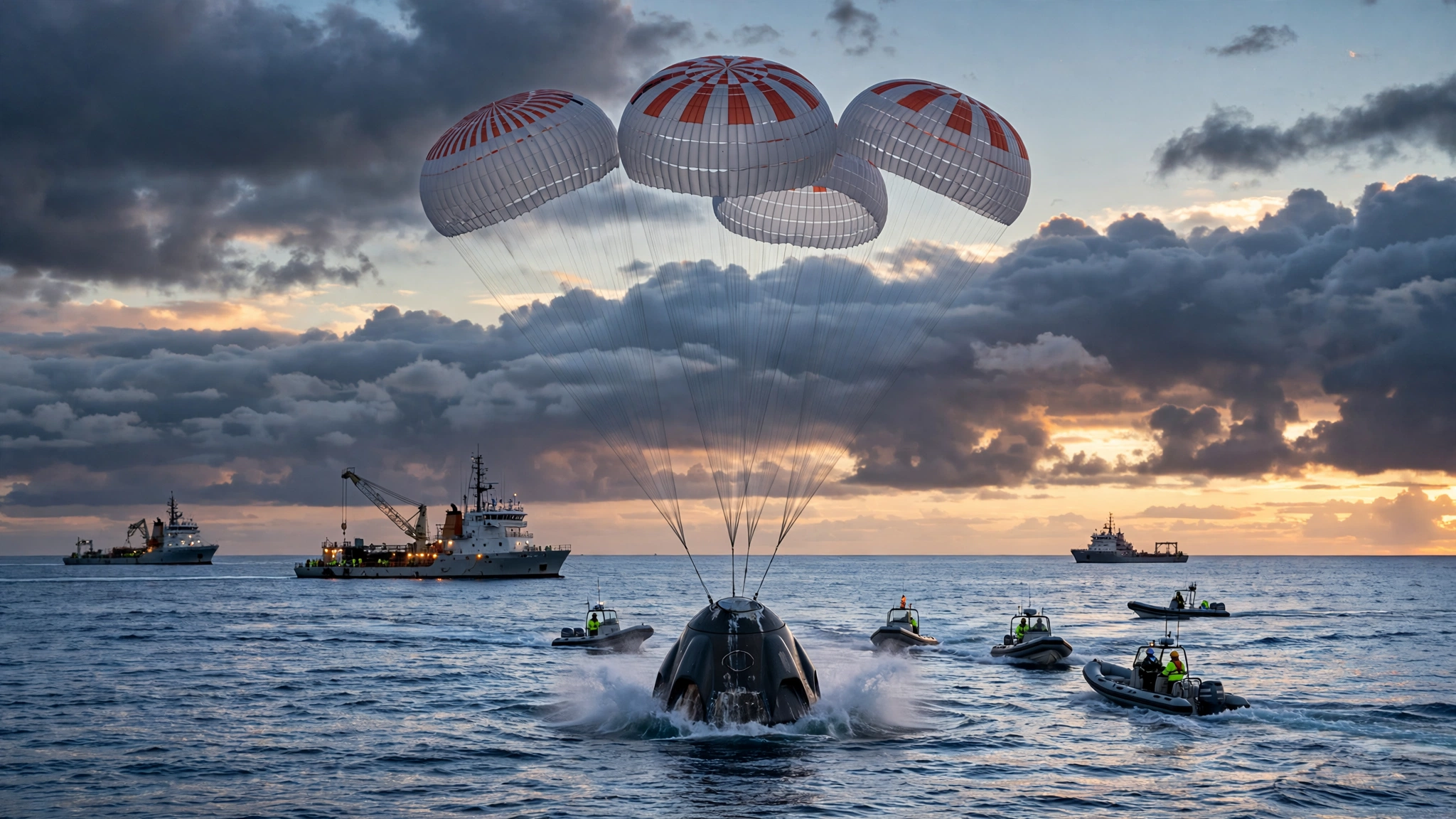
SpaceX's cargo Dragon splashed down in the Pacific Ocean off the coast of California on Saturday, bringing home more than 6,300 pounds of science from the International Space Station — including a 3D-bioprinted blood vessel, frozen tumour samples and a broken joint from the station's robotic arm.
The uncrewed spacecraft hit the water at 2:03 p.m. Pacific time on November 21, NASA said, completing the 35th SpaceX commercial resupply mission to the orbiting laboratory, known as CRS-35. Dragon had undocked from the station's Harmony module the day before, at 11:05 a.m. Central time, and spent about 29 hours on the journey home.
NASA did not stream the splashdown live. The news came instead on the space station blog, hours after the capsule's parachutes opened over the Pacific and recovery teams moved in to retrieve it.
What came home
The returning cargo reads like a laboratory inventory. A 3D-bioprinted blood vessel construct, grown to study how blood vessels age and how cardiovascular disease develops, was among the most closely watched items. Frozen tumour organoids — tiny lab-grown tumour models treated aboard the station — also returned, and NASA says they may help researchers find new ways to improve cancer treatments and advance personalised medicine.
Frozen microbial samples came back too, to help scientists understand how antibiotic-resistant bacteria survive, adapt and evolve in space — knowledge that matters for long missions and for hospitals on Earth. A lighting system that spent more than three years aboard the station also returned, after researchers tested whether it could support astronauts' sleep and well-being on long-duration flights.
The cargo also included a failed wrist joint from Canadarm2, the Canadian-built robotic arm, which NASA plans to inspect and possibly refurbish for use again, and protein crystals prepared by Canadian astronaut Joshua Kutryk for a Japanese drug-development study.
A delayed departure
The homeward trip almost did not happen on schedule. Poor weather at the splashdown sites pushed Dragon's departure from Wednesday to Friday, and SpaceX confirmed on the morning of November 21 that the capsule was on track for re-entry, warning residents along the Southern California coast to expect a brief sonic boom just before splashdown.
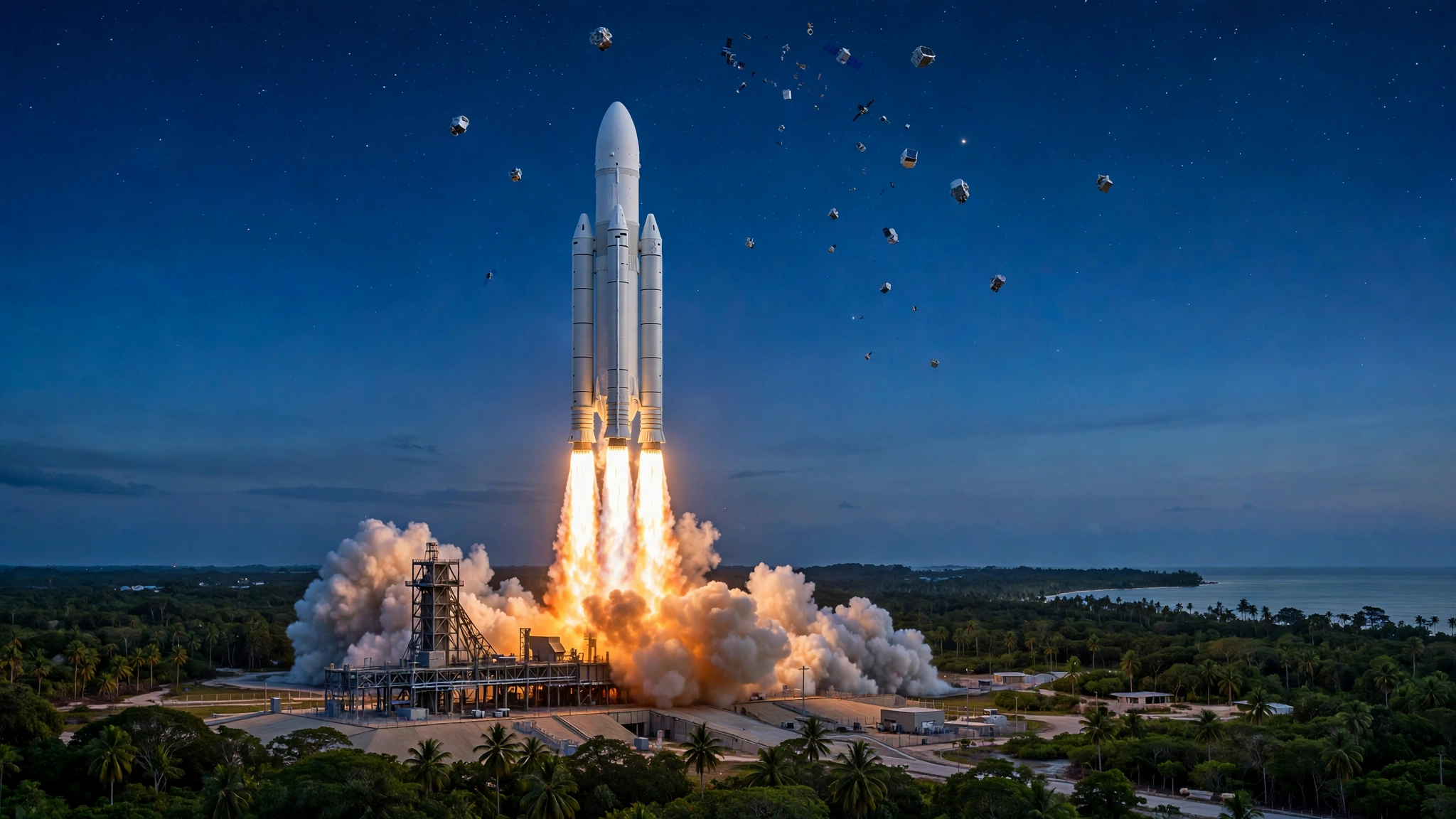
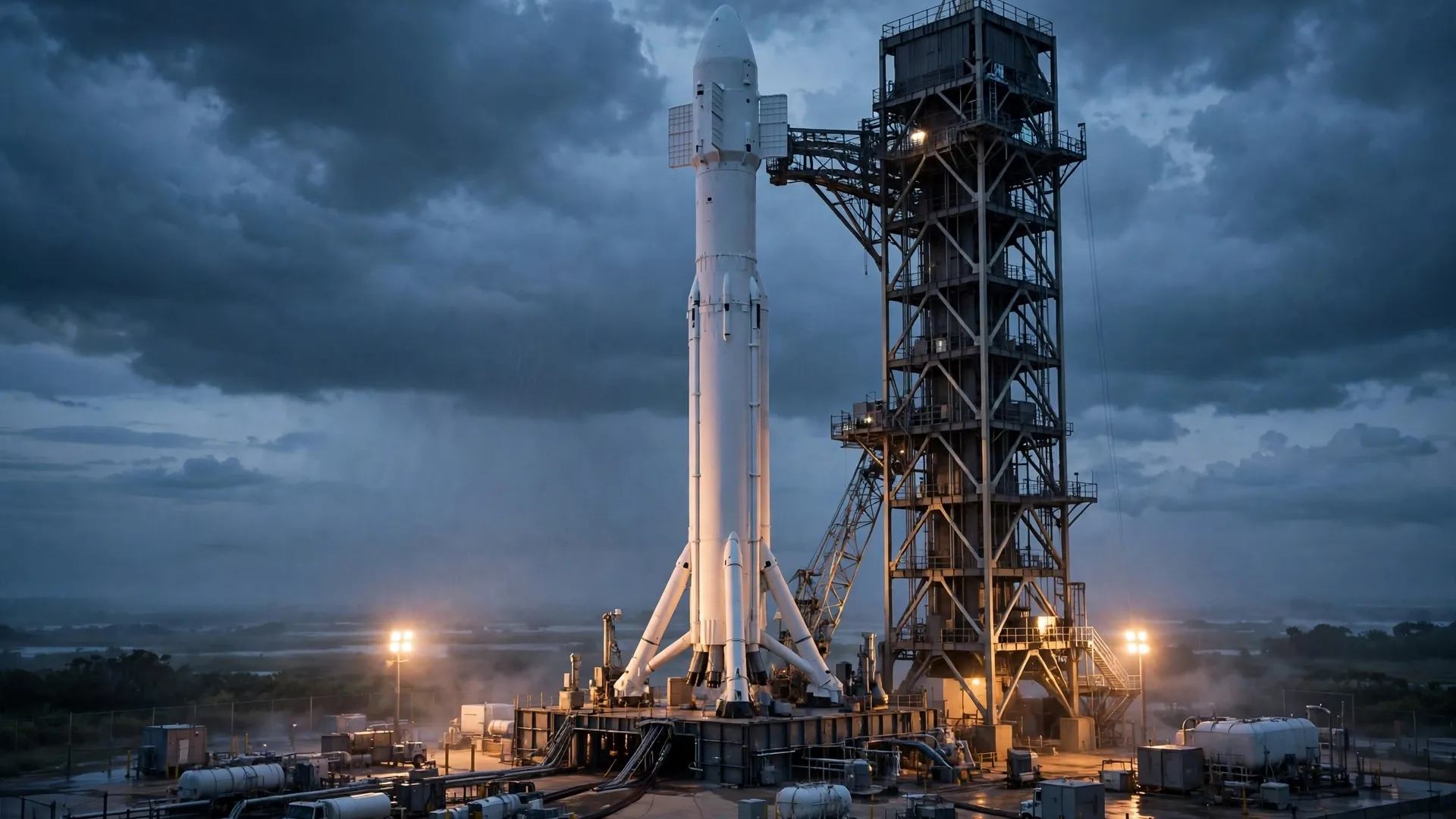
The mission began on October 13, when a Falcon 9 rocket lifted off from Cape Canaveral in Florida. Dragon docked with the station two days later, delivering more than 6,300 pounds of food, science gear and supplies — including the final pair of roll-out solar arrays that completed a multi-year upgrade of the station's power system.
Why the return trip matters
Dragon remains the only cargo spacecraft currently flying that can bring large amounts of cargo back to Earth, which makes each return flight a rare chance to get experiments and hardware home for analysis. This capsule has now flown four times, having previously served the CRS-26, CRS-29 and CRS-33 missions.
For the researchers waiting on the samples, the work now moves to laboratories on Earth, where the blood vessels, tumour models and microbes will be examined for clues about ageing, cancer and infection — science that began in orbit and ends, for now, in a lab.