By Hamza Faisal
SpaceX has confirmed it is behind a proposed artificial intelligence data center campus in rural Cochise County, Arizona, that would draw up to six gigawatts of electricity at full build-out — roughly one and a half times the output of the Palo Verde nuclear plant, the largest power station in the United States.
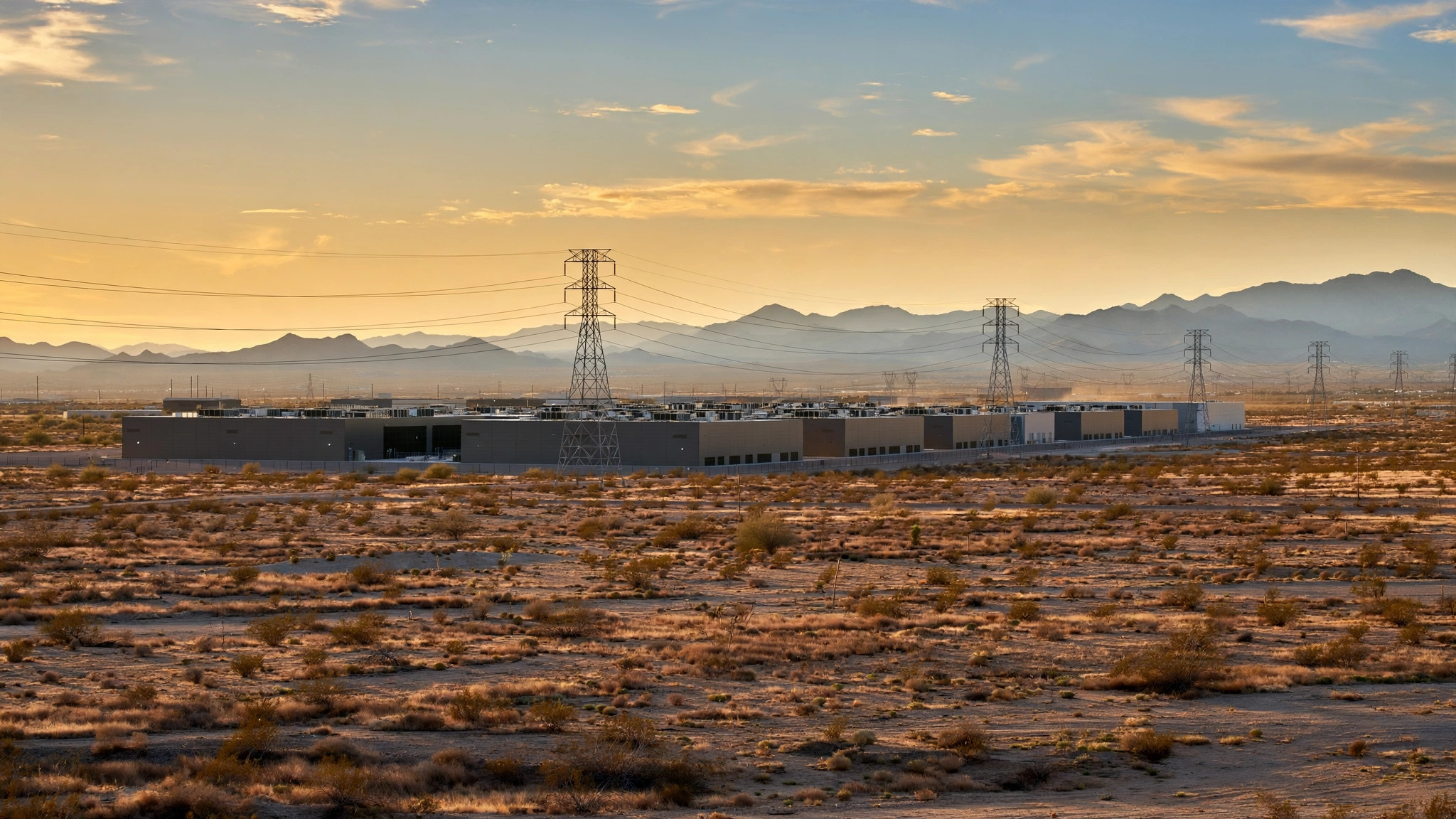
The campus would cover about 747 acres of rural land along US Highway 191 near the unincorporated community of Cochise, about 13 miles outside Willcox and some 80 miles east of Tucson, beside the Apache Generating Station. The plan calls for up to nine computing buildings, built in four phases, plus battery energy storage, to run AI model training and inference.
Filed under a different name
The project first surfaced under the name Tombstone Resources LLC, which filed a special-use application with Cochise County on October 30. The 54-page filing never mentions SpaceX at all, describing the campus only as a facility for "the applicant and its affiliates."
SpaceX representatives confirmed at a packed community meeting on November 4 that the company is behind the project. According to local reports, they explained that the LLC name was used because putting the SpaceX name on the application "immediately draws outside attention." Tombstone Resources was incorporated in Wyoming in July, and local reporting identifies the project as the work of SpaceX Super Intelligence, the company's AI arm.
Six gigawatts, 1,000 jobs — and a water fight
At full build-out, the campus would need about 6,000 megawatts of electricity. An Arizona Republic analysis calculated that is roughly two and a half times the power drawn by every data center in Maricopa County combined. SpaceX projects about 1,000 permanent jobs, and says the site would use dry cooling, with water use of roughly seven to 10 acre-feet a year.
The company has also promised lower electricity bills for members of the local Sulphur Springs Valley Electric Cooperative — though the co-operative's own letter notes those savings depend on a separate regulatory approval and are not guaranteed. The county, for its part, says the application's figures have not been independently verified.
Residents at the meeting raised concerns about water supplies and the effect of a project of this scale on a rural farming community, and a petition opposing the campus appeared on Change.org on November 6. The pushback fits a wider pattern: voters in the United States backed limits on data centers in 40 of 41 local ballot measures this week, and protesters in Amsterdam marched against new data center construction on Thursday.
The next test is December 9
The Cochise County Planning and Zoning Commission will hold a public hearing on the proposal on December 9, and its decision will be final unless appealed to the county Board of Supervisors. If the special-use authorization is approved, construction is slated to begin immediately.
For SpaceX, the campus is the latest sign of how central AI has become to the company's plans. Musk said this week that SpaceX's AI business will push its revenue in the current quarter above NASA's entire annual budget. A six-gigawatt campus in the Arizona desert would give that business a home the size of a small city's power grid — if the county, and its neighbours, let it be built.


