South Korean President Lee Jae Myung on Monday pledged to nearly double state spending on artificial intelligence and semiconductors next year, unveiling a record 2027 budget built on the country's booming chip exports.
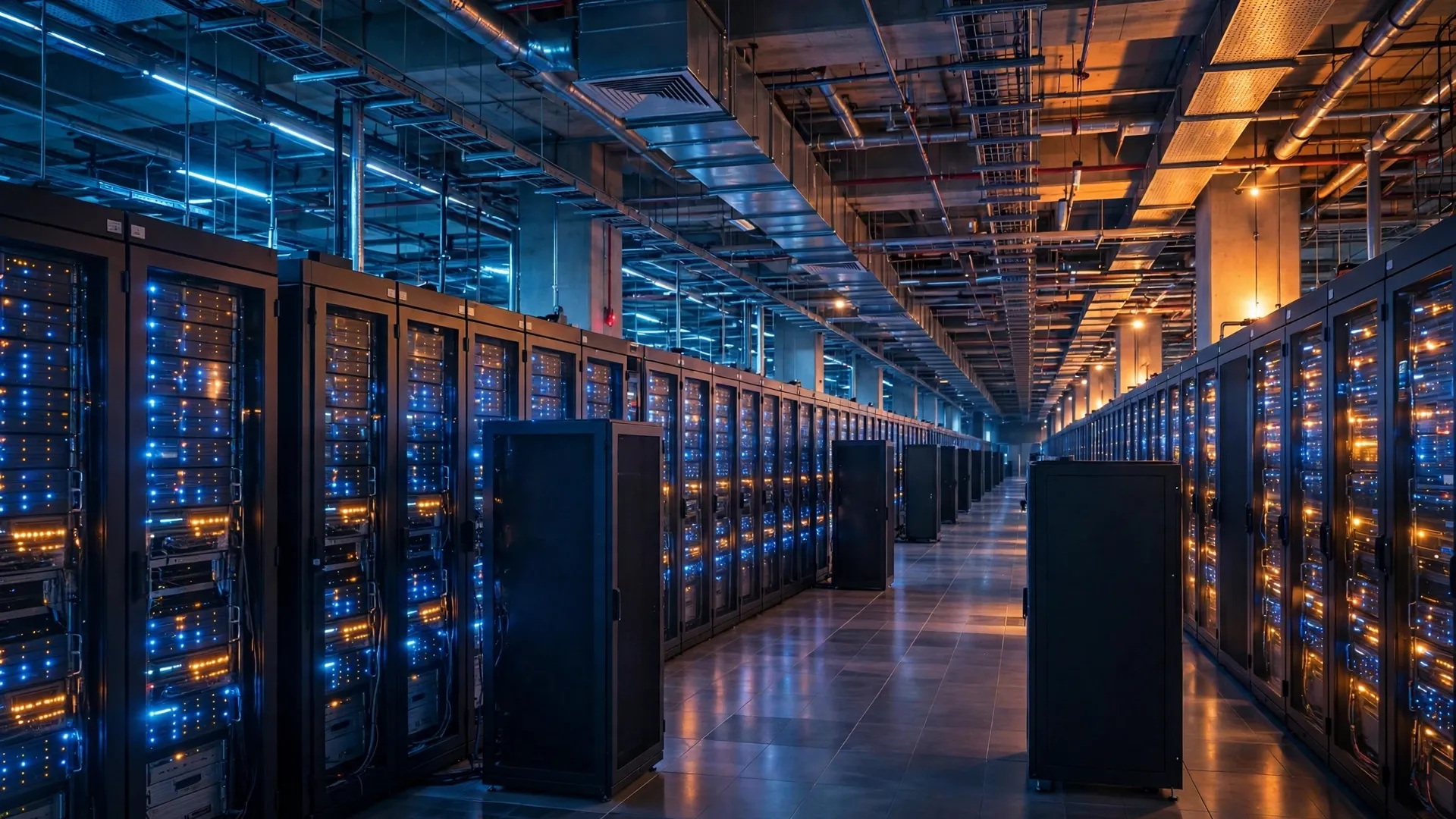
In his annual budget speech to the National Assembly in Seoul, Lee said the government would invest 21.3 trillion won — about $16 billion — in AI and three "megaprojects" covering semiconductors, physical AI and AI data centres, nearly twice this year's amount. "We will invest boldly in AI and future growth engines to raise the growth potential that forms the foundation of our economy," he told lawmakers.
A record budget, paid for by the chip boom
The overall 2027 budget totals 820.9 trillion won, about $615 billion, up 12.8 percent on this year and the largest spending plan in South Korea's history. The government submitted the bill in September, and parliament must approve it by December 2. Passage looks likely, since Lee's party holds a majority in the chamber.
At the centre of the plan is a 162.3 trillion won Future Response Fund, financed largely by additional tax revenue from the semiconductor boom. The fund is meant to support growth industries, young people, regional development and education, while acting as a buffer against future revenue shortfalls.
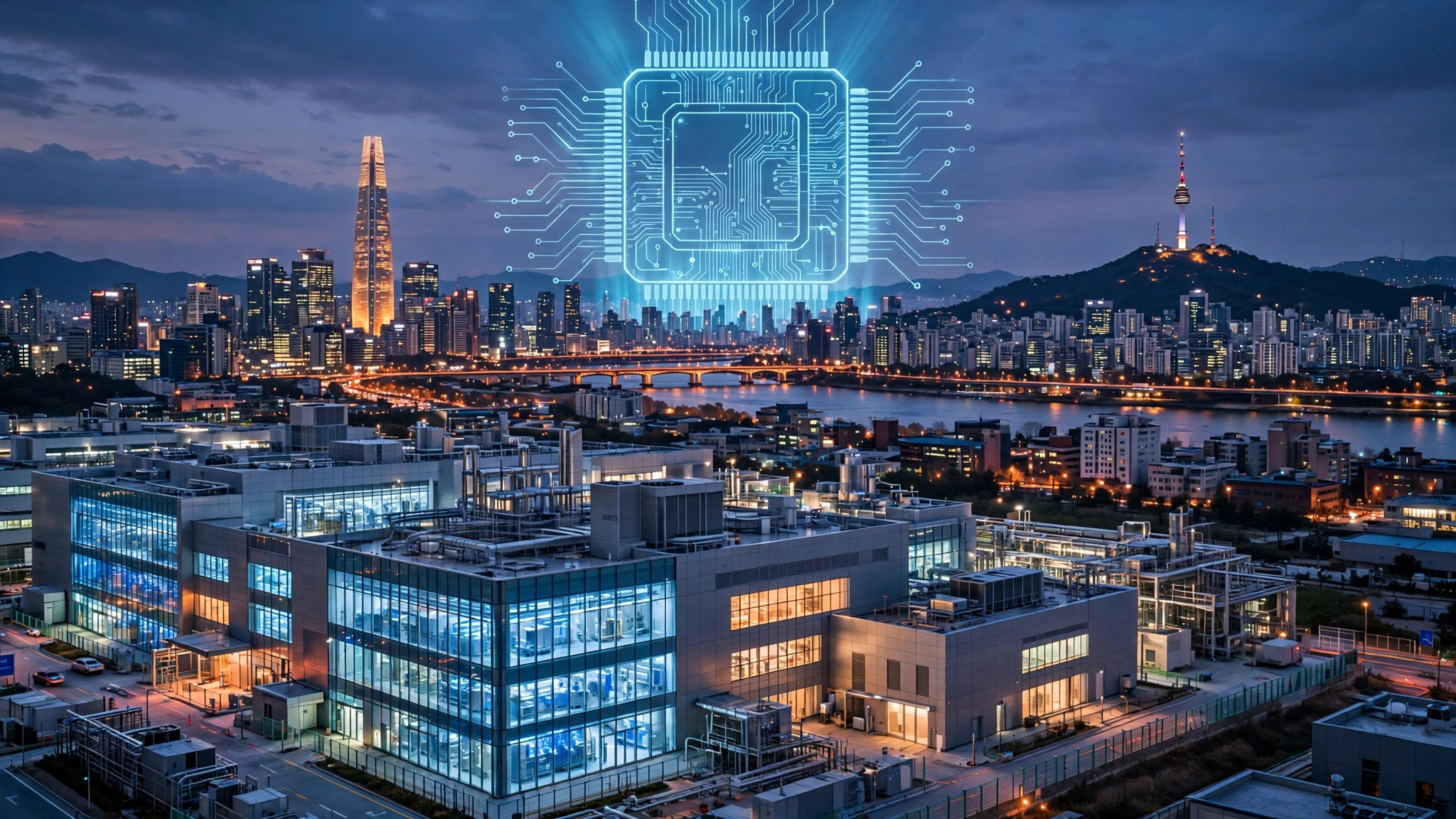
The spending surge has been made possible by record profits at chip giants Samsung Electronics and SK Hynix, fuelled by global demand for the memory chips that power AI systems. Exports from January to October totalled $930 billion, putting South Korea on track to exceed $1 trillion for the full year — a milestone only the United States, China and Germany have reached. Lee acknowledged the gains have not spread evenly, framing the budget as one for "growth for all."
Where the technology money goes
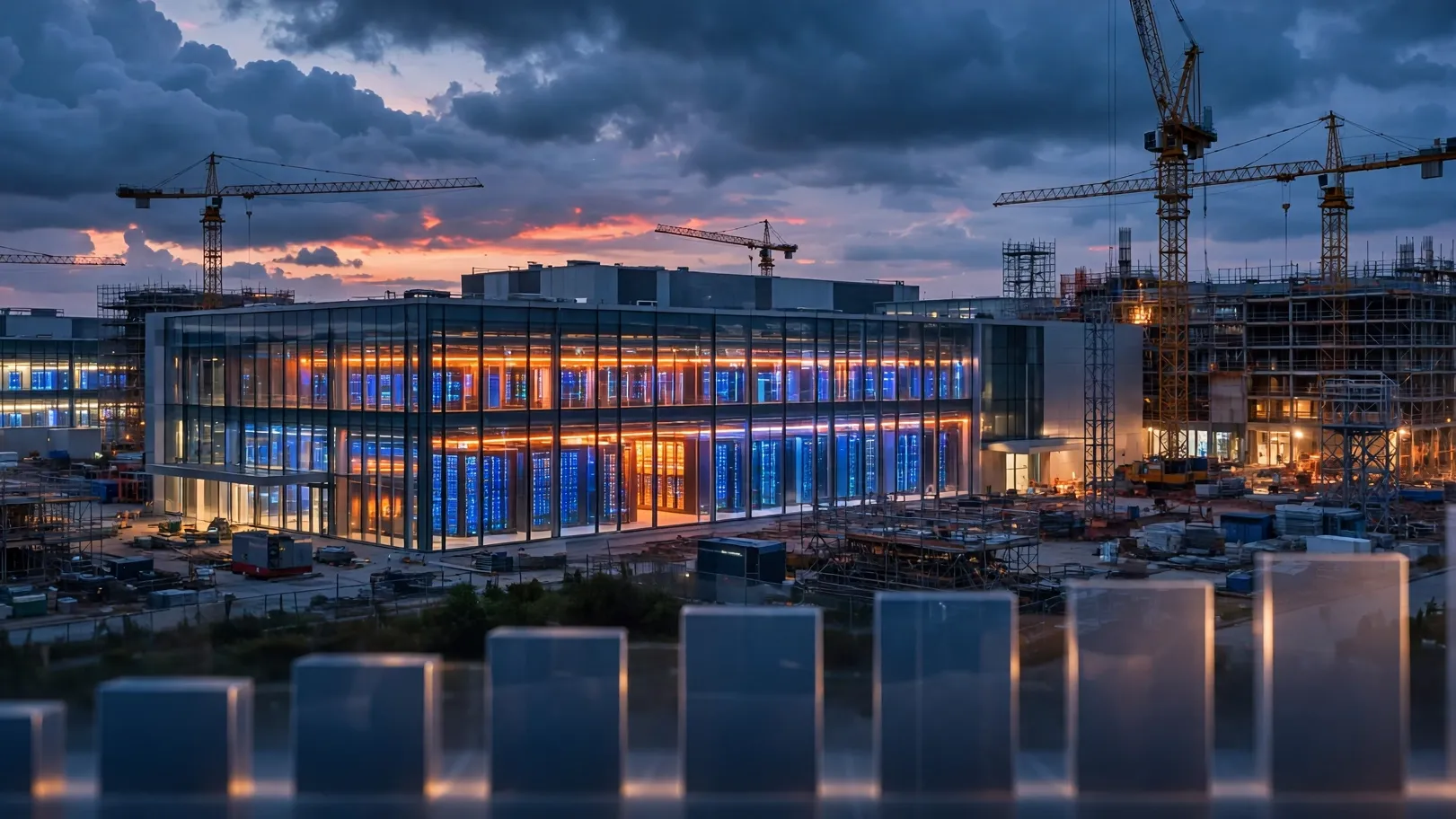
Within the 21.3 trillion won AI package, 4.6 trillion won will go toward acquiring a sovereign AI model with what Lee described as world-leading performance, while 13.8 trillion won is earmarked for 10 strategic technology sectors judged critical to future growth. A further 2 trillion won will expand semiconductor production capacity, including faster chip-fabrication plants near Seoul and a new industrial cluster in the southwest.
Physical AI — robots and machines that act in the real world — gets 500 billion won for trials in manufacturing, defence and other sectors, and 2.1 trillion won will fund the power, water and industrial infrastructure that chip plants need to run around the clock, 365 days a year. Alongside the public money, Lee pointed to an 800 trillion won private-sector chip buildout led by Samsung and SK Hynix in the country's southwest.
Defence, debt and the politics
The budget also leans heavily on technology for defence, with military spending rising 8.2 percent to 73.3 trillion won. Lee said Seoul aims to "rapidly transform our military into a smart, elite force" through integrated manned and unmanned systems based on AI, robots and drones, alongside nuclear-powered submarines and KF-21 fighter jets.
Not everyone cheered the plan. Lawmakers from the main opposition People Power Party protested during the speech, accusing the government of increasing the national debt. The government counters that its managed fiscal deficit is projected to hit a 20-year low, helped by the surge in chip-driven tax receipts.
The budget now goes to parliament for approval. If it passes, it will lock in South Korea's biggest bet yet that AI, chips and the machines they power — not just exports of them — will carry the next phase of the country's growth.