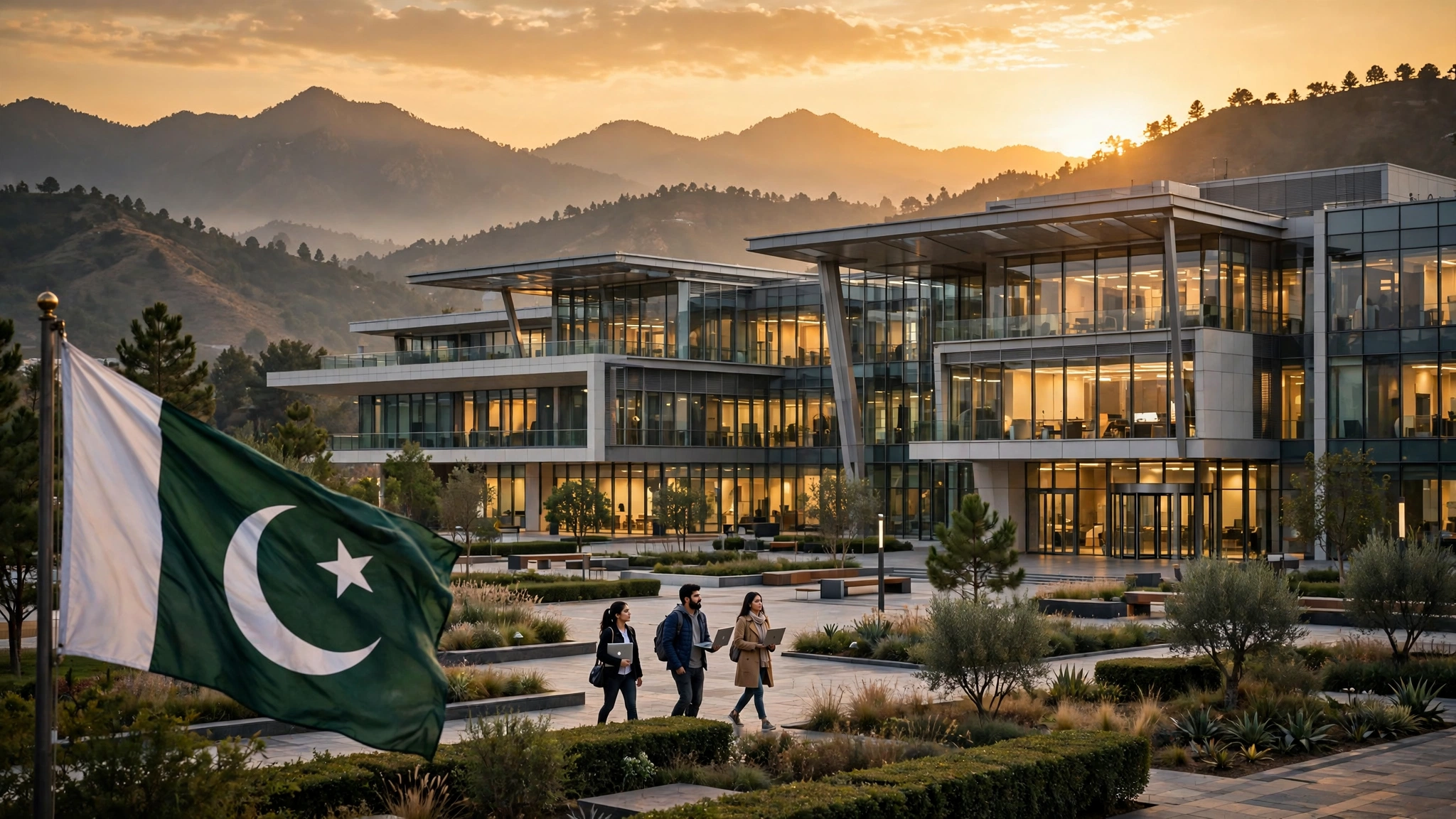
The Punjab government has approved a Rs1.7 billion package to expand the province's E-Rozgar freelancing centres, with the cabinet green-lighting 34 new centres that will take the total network to 160 across all 41 districts. Announcing the decision, the government said the expansion is targeted at generating 100,000 new jobs and giving young people a direct route into the global digital economy.
The package was announced on the back of strong numbers: the existing network has already trained more than 87,000 freelancers, and Punjab is investing heavily in freelancers' tools, training and workspaces as it pushes toward a target of $1 billion in IT exports this year.
Rs1.7 billion for a province-wide freelancing push
The approved package covers 34 new E-Rozgar centres plus upgraded infrastructure at existing locations. With the expansion, every one of Punjab's 41 districts will have at least one centre, closing coverage gaps that previously forced aspiring freelancers in remote areas to travel to larger cities for training and workspace.
The Rs1.7 billion outlay sits inside a wider provincial freelancing program valued at about Rs6 billion, which includes training programs, workspace development and support services for freelancers across the province.
100,000 new jobs and the $1 billion export target
The headline target of the expansion is 100,000 new jobs, reflecting the government's bet that freelancing can absorb a large share of the province's young, digitally connected workforce. Punjab's IT exports are targeting $1 billion this year, and the government views freelancers — who earn foreign exchange directly through platforms like Upwork and Fiverr — as a core engine of that growth.
The strategy has a proven record. The E-Rozgar program's earlier phases have trained more than 87,000 freelancers, many of whom now earn from international clients. By adding 34 centres in underserved districts, the government is betting that the same formula will work in smaller towns and rural areas, where the pool of English-literate, tech-savvy youth is large but formal employment options are scarce.
What changes for aspiring freelancers
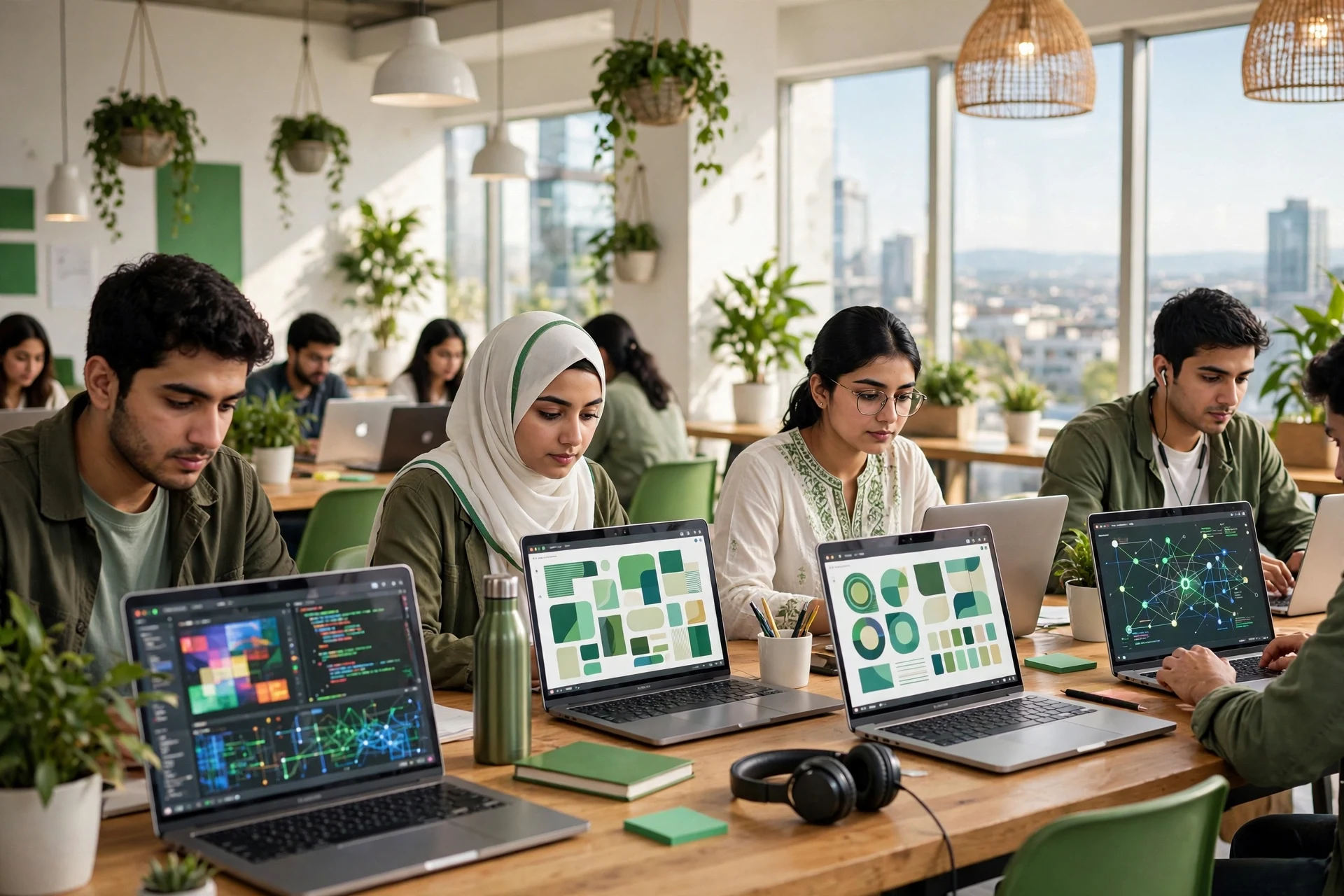
For young Pakistanis looking to start freelancing careers, the expansion matters in practical ways. Each centre typically provides training in high-demand skills such as graphic design, content writing, digital marketing, web development and e-commerce management, along with mentoring and workspaces equipped with reliable internet and power backup.
With centres in all 41 districts, the travel barrier disappears: a young person in a small town no longer needs to relocate to Lahore, Rawalpindi or Multan to access professional freelancing training. The centres also serve as community hubs where freelancers can network, find mentors and share client leads.
The bigger picture: Pakistan's freelancing economy
Punjab's investment fits into Pakistan's national position as one of the world's largest freelancing markets. Pakistani freelancers consistently rank among the top earners on global platforms, and remittance-style inflows from freelancing are a growing contributor to the country's foreign exchange reserves.
Challenges remain. Inconsistent internet connectivity, payment withdrawal frictions and a lack of formal recognition of freelancing as a career path have all held the sector back. The Punjab government has been addressing some of these: recent moves include subsidized workspace programs, freelancer registration drives and partnerships with payment providers to ease the flow of earnings into the country.
The Rs1.7 billion package will be watched closely. If the 34 new centres replicate the earnings success of the earlier batches — and the 100,000-job target proves achievable — Punjab's model could become the template for similar expansions in Sindh, Khyber Pakhtunkhwa and Balochistan. For now, the message from Lahore is clear: freelancing is not a side hustle anymore; it is official economic policy.