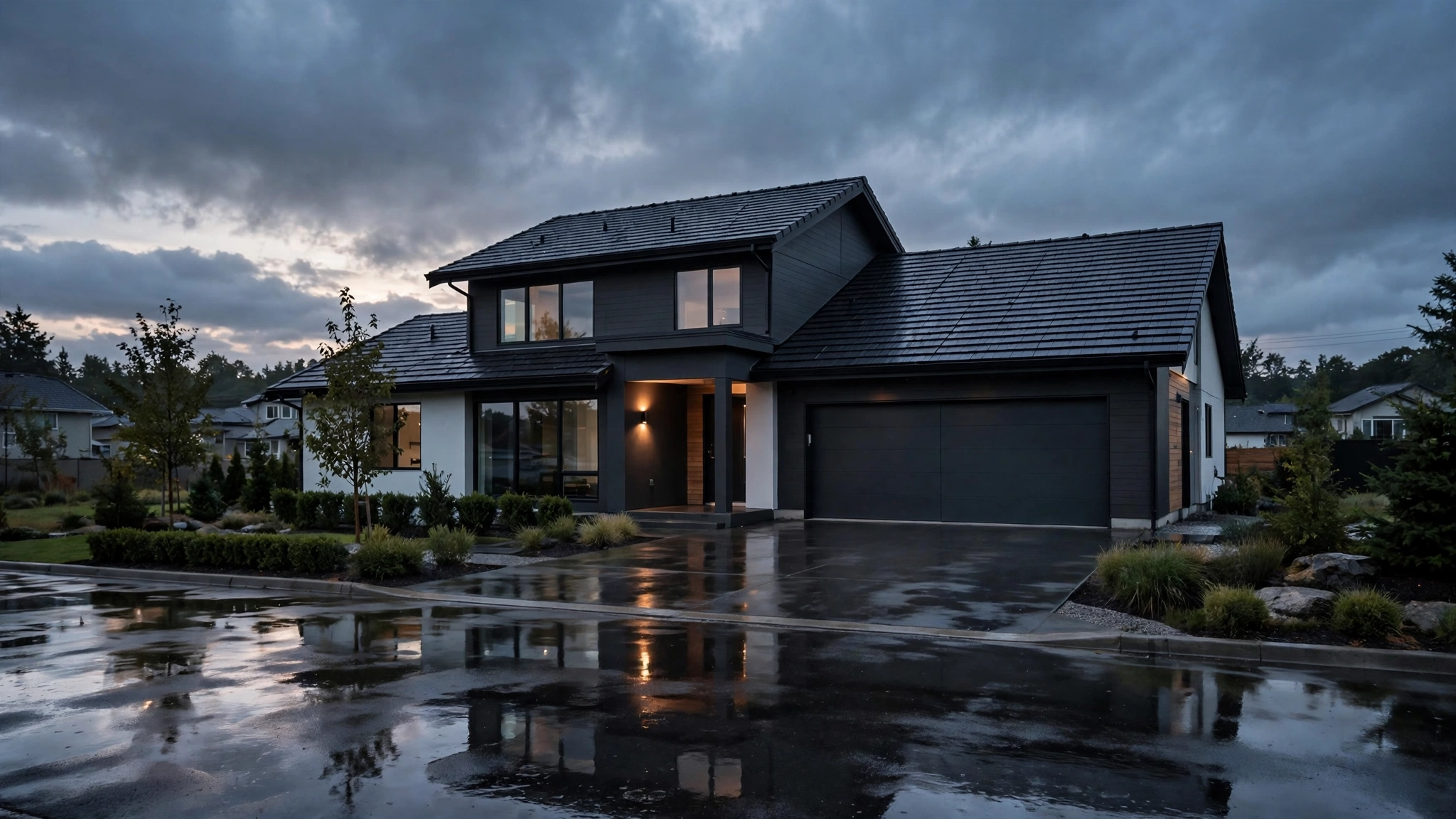
A California judge has deemed Tesla liable for fraud and negligent misrepresentation in a lawsuit over a Solar Roof that was never finished, never passed inspection and never generated a single watt of electricity for the homeowner who paid for it.
The ruling in Conroy v. Tesla, handed down on September 11, 2026 by Judge Cynthia Freeland of San Diego Superior Court, did not come from a jury. It came as a sanction: after Tesla repeatedly failed to turn over internal records, the court decided the fraud and negligent-misrepresentation claims against the company, leaving a trial to decide only how much it must pay in compensatory and punitive damages.
The case centres on Ambrose Conroy, a homeowner in Rancho Santa Fe who signed a contract in March 2020 for a Tesla Solar Roof and six Powerwalls, a system reported to cost roughly $110,000. More than six years later, the roof is still unfinished. It has failed multiple county inspections, gone through at least seven project managers, and produced no electricity at all. Conroy says repairing the damage will cost well over $2.5 million. Tesla once offered $5,000 to settle the dispute.
Two fines first, then the fraud finding
Judge Freeland sanctioned Tesla twice before going further, ordering it to pay $15,467.50 in February 2026 and $13,500 in June, both times for failing to produce a proper privilege log and the documents Conroy had requested, and both times warning that tougher sanctions could follow.
Tesla missed the next deadline anyway. In her September 11 order, the judge found “ample evidence to support that Defendants have acted willfully.” Among the missing records were Microsoft Teams messages — Tesla’s own corporate witness testified they are kept “for infinity” — along with OSHA logs, emails with San Diego County inspectors, and more than 20 quality, installation and safety reports from Tesla’s internal Bolt system.
The company had already admitted liability on three of the five claims in the case — breach of contract, breach of warranty and negligence — according to a joint trial readiness report filed in October. The fraud finding covered the remaining two.
A home “used as an experiment”
In February 2025, more than two years into the lawsuit, Tesla failed yet another county inspection after arriving without the plans for the roof’s venting system. Court records also describe an exhibit — text messages from January 13, 2021 between Tesla’s director of model engineering, Bobby Yang, and other employees — that Conroy’s lawyers say is central to their case.
When Tesla asked the court to reconsider the fraud finding, Judge Freeland refused in a ruling dated October 27, writing that the late-produced documents could support Conroy’s theory that Tesla “knowingly used Plaintiff’s home as an experiment while knowing they lacked the experience to perform as promised.”
Tesla turns to the appeals court
On October 29, Tesla asked the court to freeze the case while it petitions the California Court of Appeal, arguing the fraud order is “unduly punitive,” violates due process and amounts to a directed verdict on fraud before trial. The company also says the discovery fight had nothing to do with the fraud claims and that it has now produced everything relevant.
The November 20 trial date has been taken off the calendar. A trial readiness conference is set for December 4, and Conroy’s lawyers want the case to reach trial in December. Whatever happens next, the liability question on fraud is settled unless the appeals court intervenes — and the case has become the most serious legal setback yet for Tesla’s home-energy business.


