Former Nvidia chief executive Jensen Huang used the chipmaker's balance sheet to finance AI startups and data-centre operators so they would keep buying its graphics processors, rather than letting an oversupply of chips push prices down, according to a Wall Street Journal report published on Thursday.
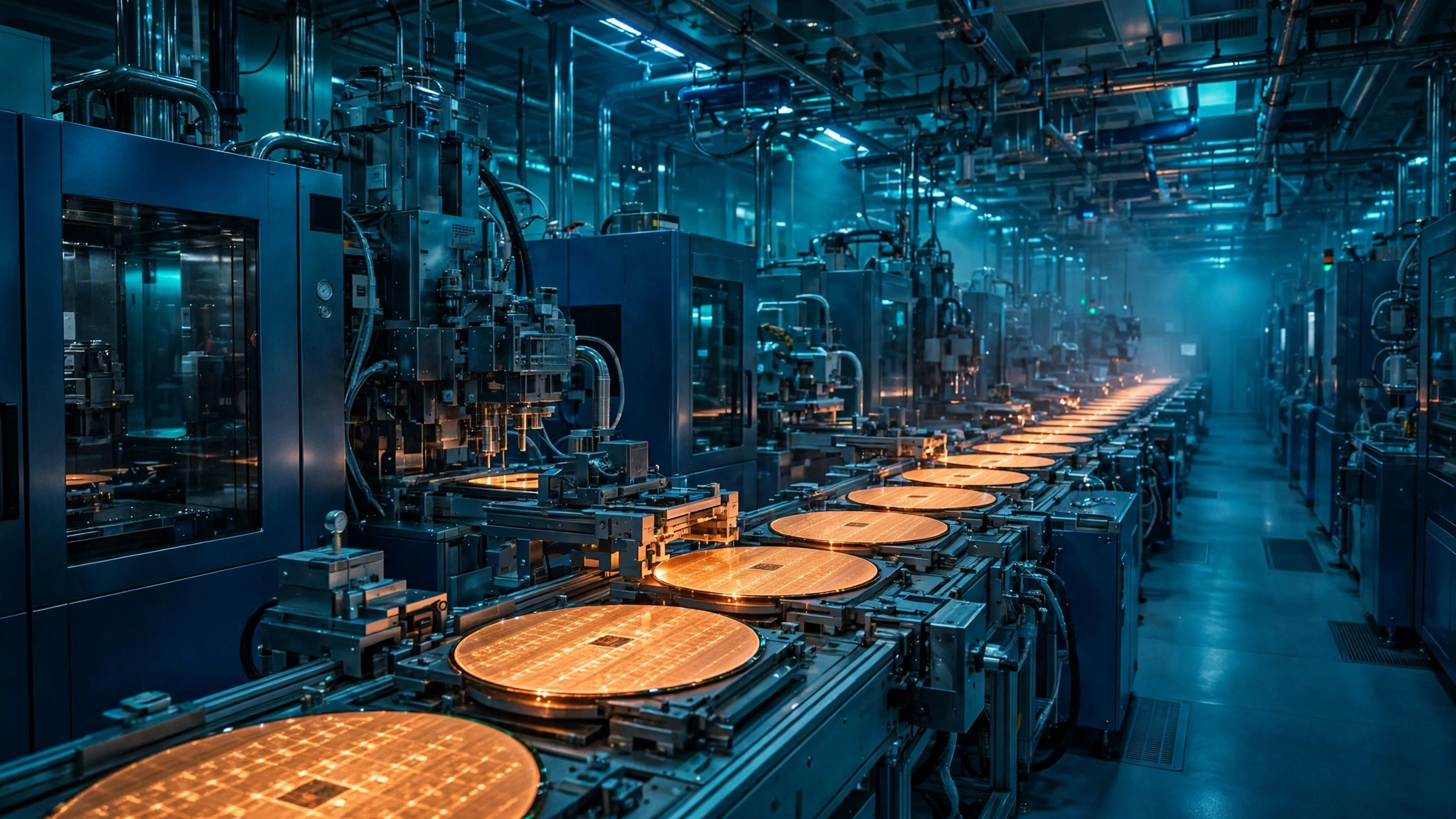
The report says Huang faced what he privately described as an "avalanche" of prepaid silicon and memory that Nvidia had committed to buy from Taiwan Semiconductor Manufacturing Company. Instead of allowing the surplus to reach the broader market, Nvidia allegedly funded the customers that would absorb it — a practice critics call circular financing, because the company's money helped buyers purchase its own products.
The August clash with Kress
At the centre of the report is a tense meeting in August 2026 between Huang and Nvidia's longtime chief financial officer, Colette Kress, who is now serving as interim chief executive after Huang's resignation. Kress pushed to rein in the company's circular-financing commitments to smaller cloud providers and major AI firms such as OpenAI and Anthropic, the Journal reported.
Early discussions had floated underwriting roughly eight gigawatts of OpenAI computing capacity, valued at up to $250 billion. Kress succeeded in scaling Nvidia's signed guarantee cap down to about 4.25 gigawatts, or up to $125 billion, according to the report. Huang reportedly belittled Kress for questioning the deals, calling her "a deer in the headlights."
To justify the financing, Huang privately acknowledged that the largest cloud companies were moving away from Nvidia in favour of their own custom chips. With hyperscalers reducing their reliance on off-the-shelf parts, the huge volume of prepaid TSMC wafers and memory Nvidia had already ordered was, in his words, "coming at him like an avalanche." The company has since contacted TSMC to wind down upcoming chip orders, the report says.
A shortage narrative under strain
The disclosures land as the shortage story that defined the AI boom comes under fresh scrutiny. Industry analyst Ed Zitron has estimated that at least $200 billion worth of Nvidia AI graphics processors are sitting idle in warehouses, bought by cloud giants that lacked either the electrical grid capacity or the end-user demand to switch them on.
Nvidia's shares fell 13% in the week the report emerged, its worst week since April 2025, wiping about $573 billion from the company's market value. The chipmaker reports third-quarter results on Tuesday, November 17 — its first earnings since Huang's departure, with Kress presenting as interim chief executive.
The scale of the exposure is already visible in Nvidia's filings. SemiAnalysis, analysing a note in the company's latest quarterly filing, put Nvidia's total commitments and guarantees at about $530 billion, up from $184 billion a quarter earlier. A separate Journal report noted that Nvidia took part in more than 100 venture deals this year, often followed by a commercial agreement to buy its chips.
Nvidia has long rejected the circular-financing label. Huang has previously dismissed the idea as "ridiculous," and the company points to real cash generation — about $97 billion of free cash flow in its last fiscal year — as evidence that its reported profits are genuine. The question the Journal report raises is not whether the revenue was collected, but whether the demand behind it was manufactured.