By Hamza Faisal
Firefly Technology Inc., a New York-based startup building what it calls "physical AI" for safety, has emerged from stealth with a $20 million Series A round led by Definition Capital. The round also drew participation from BoxGroup — its third investment in the company — and Susa Ventures, which led Firefly's seed round earlier this year.
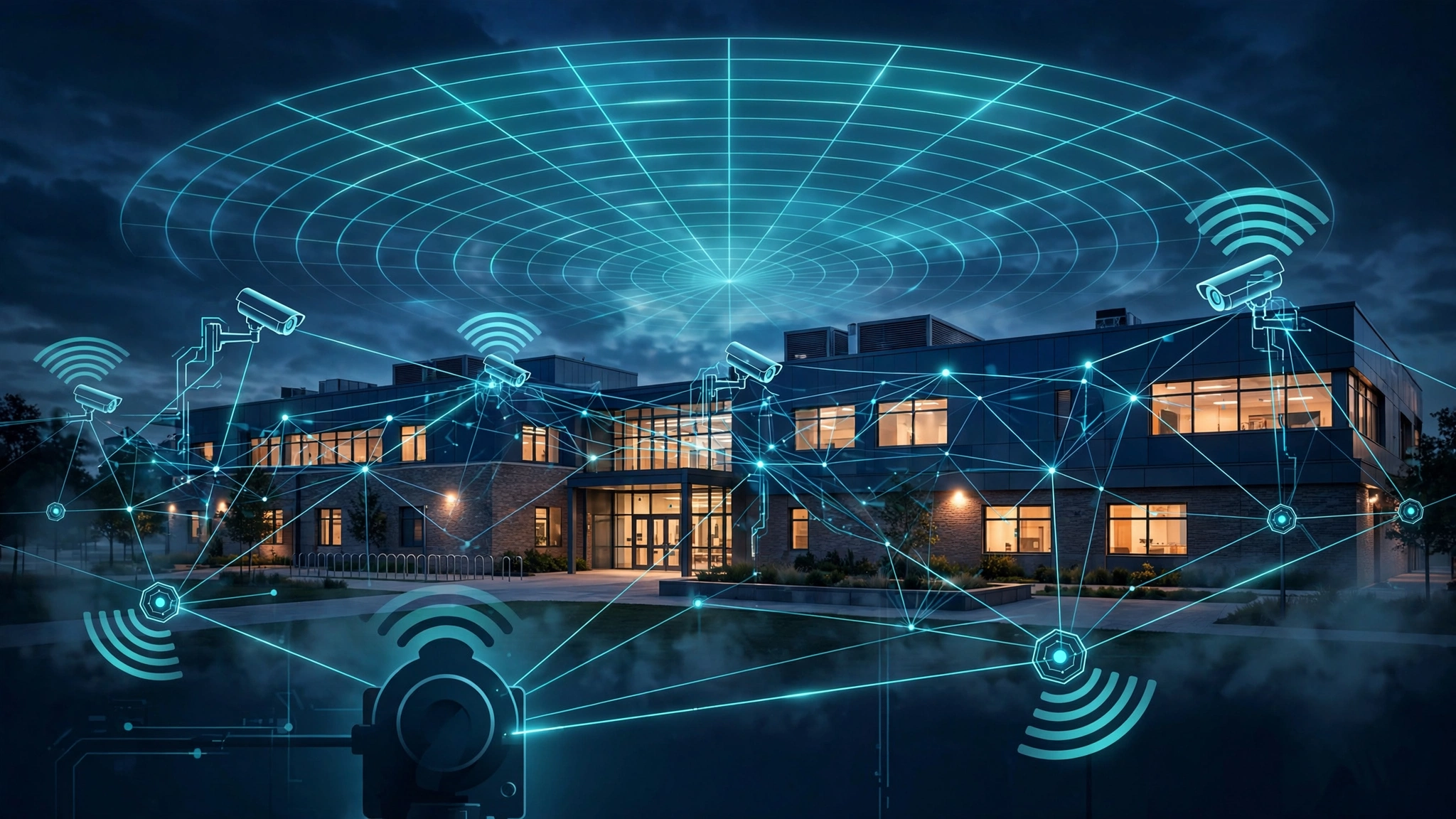
Founded in 2024 by James Batt Buckley and Alex Penn, Firefly wants to do for the physical world what large language models did for the digital one: make it intelligent, connected and programmable. Its Ember Safety Management platform plugs into the cameras, radios and sensors that schools, hospitals and corporate campuses already own, then uses AI to extract real-time intelligence from those feeds — detecting incidents, supplying context, and coordinating a response as it unfolds.
Disconnected tools, one brain
Buckley, who previously scaled Verkada's Alarms business from K-12 schools to Fortune 500 companies, says the safety industry has accepted a strange contradiction: the more important the job, the more complicated the tools. Cameras can see what's happening, radios carry conversations between security staff, and sensors trigger alarms — but each system works in isolation, leaving humans to waste critical minutes connecting the dots.
"We're starting with safety because it's a problem we know deeply, but what we're building has the potential to transform how people interact with the physical world," Buckley said. Rather than replacing a customer's existing equipment, Firefly integrates it, aiming to turn a patchwork of devices into a single system that understands a situation and helps teams decide what to do next.
Hardware that feels the room
Alongside the software, Firefly is shipping purpose-built hardware: wearable panic buttons, AI beacons that can triangulate a panic signal and detect gunshots, and network gateways to keep everything connected. The company says the line is designed for simplicity — reducing operational complexity for safety teams rather than adding more dashboards to watch.
The startup already has boots on the ground: Front Range Community College, described as Colorado's largest community college, has deployed Ember across three campuses, uniting information from all three sites into one system for its safety teams.
Physical AI finds its funding lane
The $20 million will fund new physical AI products, grow Firefly's engineering and machine learning teams, build out go-to-market, and expand into healthcare and enterprise customers. Constellation Research analyst Holger Mueller called the raise a reminder that AI's next frontier isn't only digital: "Ultimately, AI is going to have a dramatic impact on the physical world too, with one of the first being to improve physical safety in places like schools, hospitals and other large venues."
Definition Capital's Teddy Citrin put it more directly, calling Firefly "the central nervous system for physical safety" — specialized hardware, existing data and coordinated action on a single platform. In a year dominated by model and infrastructure mega-rounds, Firefly's bet is that the next great AI market is the one outside the screen.
By Hamza Faisal