ChangXin Memory Technologies (CXMT), China's largest maker of conventional DRAM, plans to begin limited production of HBM3E, an advanced form of high-bandwidth memory used alongside AI processors, within the next two months — even though only 20% to 30% of the chips it makes currently meet specifications, Reuters reported on Wednesday, citing two people familiar with the matter.
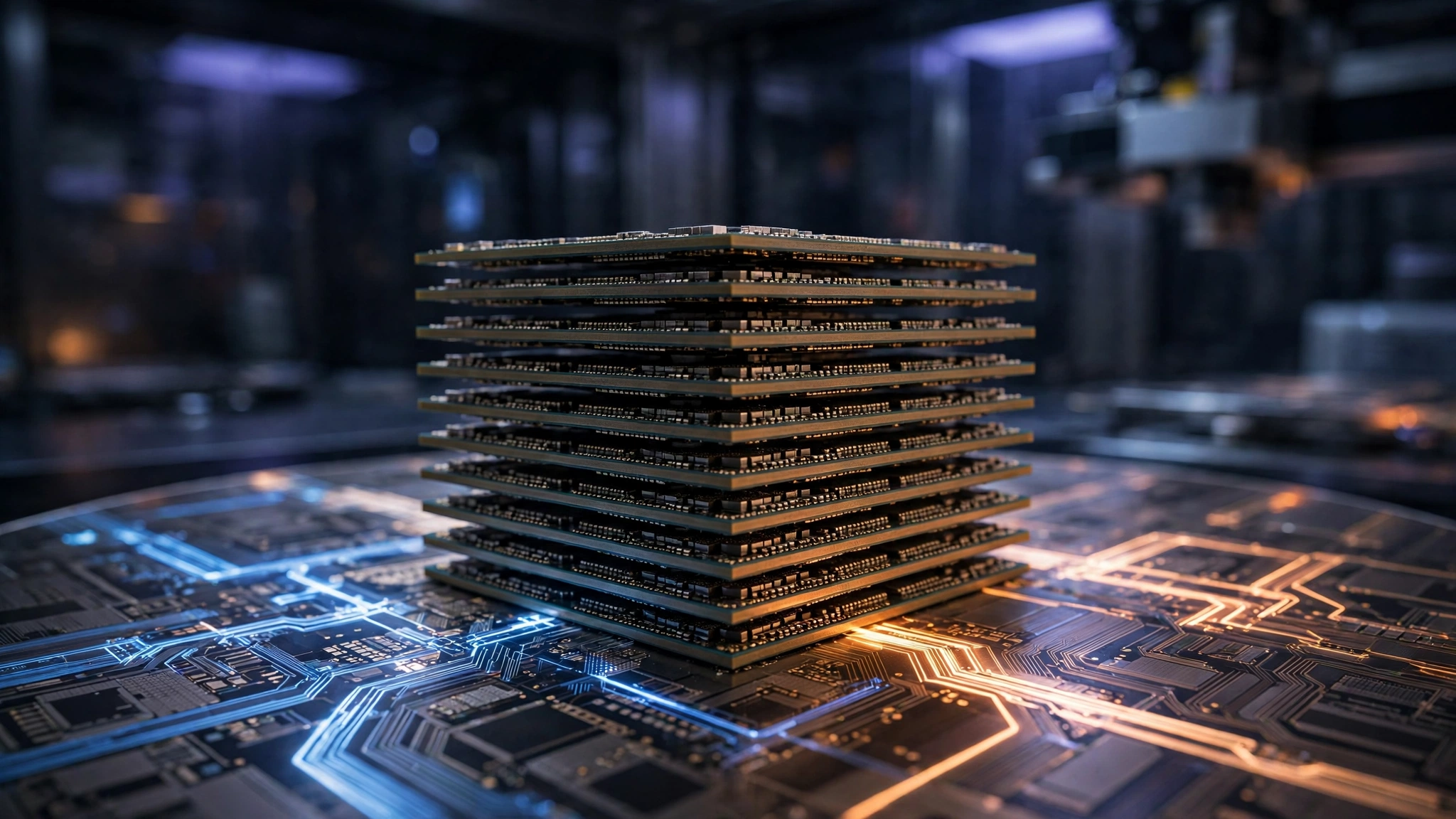
High-bandwidth memory is made by stacking memory chips vertically so they can exchange data rapidly with AI processors, making it a crucial component in the specialised chips that train and run large language models. The Information first reported CXMT's HBM3E plans; Reuters is reporting the yield figures and production timeline for the first time.
A yield gap the industry can measure
Yield — the share of chips coming off a production line that meet specifications — sits at just 20% to 30% for CXMT's HBM3E, according to the sources, compared with around 70% at South Korea's SK Hynix, the market leader. A low yield makes production expensive, because a large share of wafers must be discarded or reworked, and CXMT's HBM3E is expected to cost more than comparable products from overseas rivals.
Testing has also exposed a performance gap: one source told Reuters that CXMT's HBM3E performed closer to SK Hynix's previous-generation HBM3 than to its current HBM3E. CXMT has sent customers two versions of the chip — a standard design and an updated one carrying changes intended to lift yields — and has already shipped HBM3E samples to several domestic AI chip designers.
Shortage leaves little choice
CXMT is pressing ahead because Chinese AI chipmakers cannot secure enough advanced memory to expand production. Washington tightened export controls on certain advanced HBM products bound for China in December 2024, and Chinese chipmakers have increasingly turned to unofficial channels, where the memory can cost several times more.
The squeeze is already showing up in prices: Reuters reported last month that Chinese AI chip companies including Huawei and Cambricon raised product prices by 20% to 50%, citing higher memory costs. CXMT has been developing HBM technology internally since 2024, part of a government-backed push to build domestic alternatives to Nvidia's AI processors at scale.
What comes next
The next test is whether limited production can scale. If yields stay near current levels, CXMT's memory will remain costly and hard to ship in volume; if the revised design lifts yields, domestic AI chip designers gain a local supplier for one of their scarcest inputs. CXMT did not respond to a request for comment, and SK Hynix did not immediately respond to the yield estimate, Reuters said.
The stakes extend beyond one company. HBM is dominated by SK Hynix, Samsung Electronics and Micron, and Samsung has already moved on to HBM4, leaving CXMT at least a generation behind even as it starts. For Beijing, though, a domestic HBM3E line — imperfect and expensive — beats waiting on supply it cannot reliably buy.


