By Hamza Faisal
China Mobile, the world's largest mobile carrier, plans to invest more than 100 billion yuan — about $15 billion — in computing power in 2027, chairman Chen Zhongyue said on Friday at the company's 2026 Mobile Network Conference in Guangzhou. It is the first time the state-owned operator has put computing-power spending on a standalone 100-billion-yuan footing, and it comes as its artificial-intelligence capacity is set to double for a second year running.
Total procurement in 2027 is expected to exceed 500 billion yuan, roughly $75 billion, including more than 100 billion yuan for computing power, over 100 billion yuan for terminals and more than 10 billion yuan for channel resources. Chen told the conference that computing power became the biggest source of the company's incremental investment this year, a sign of how far the carrier has moved from selling phone plans to selling raw AI horsepower.
From data centres to 'token factories'
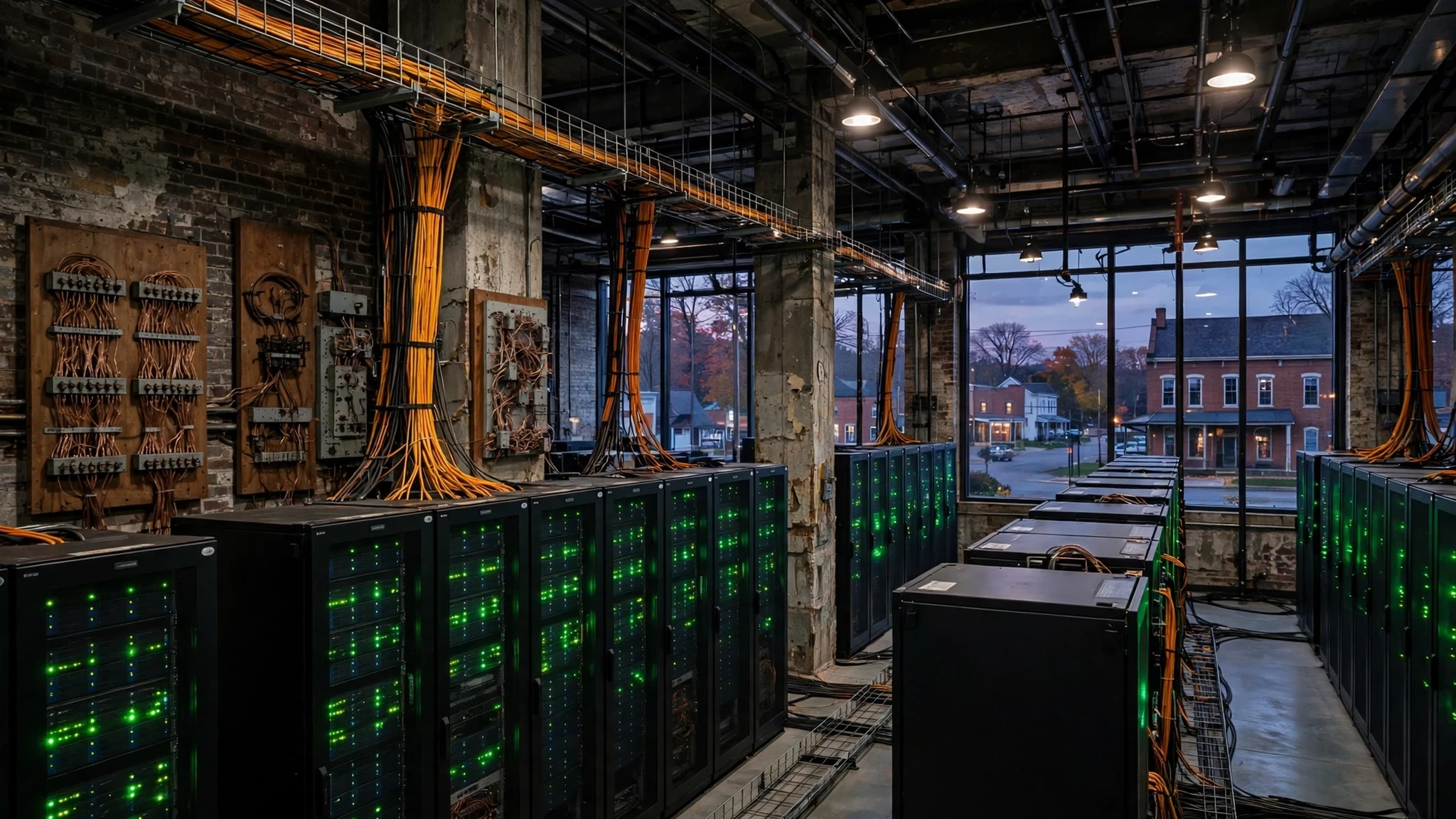
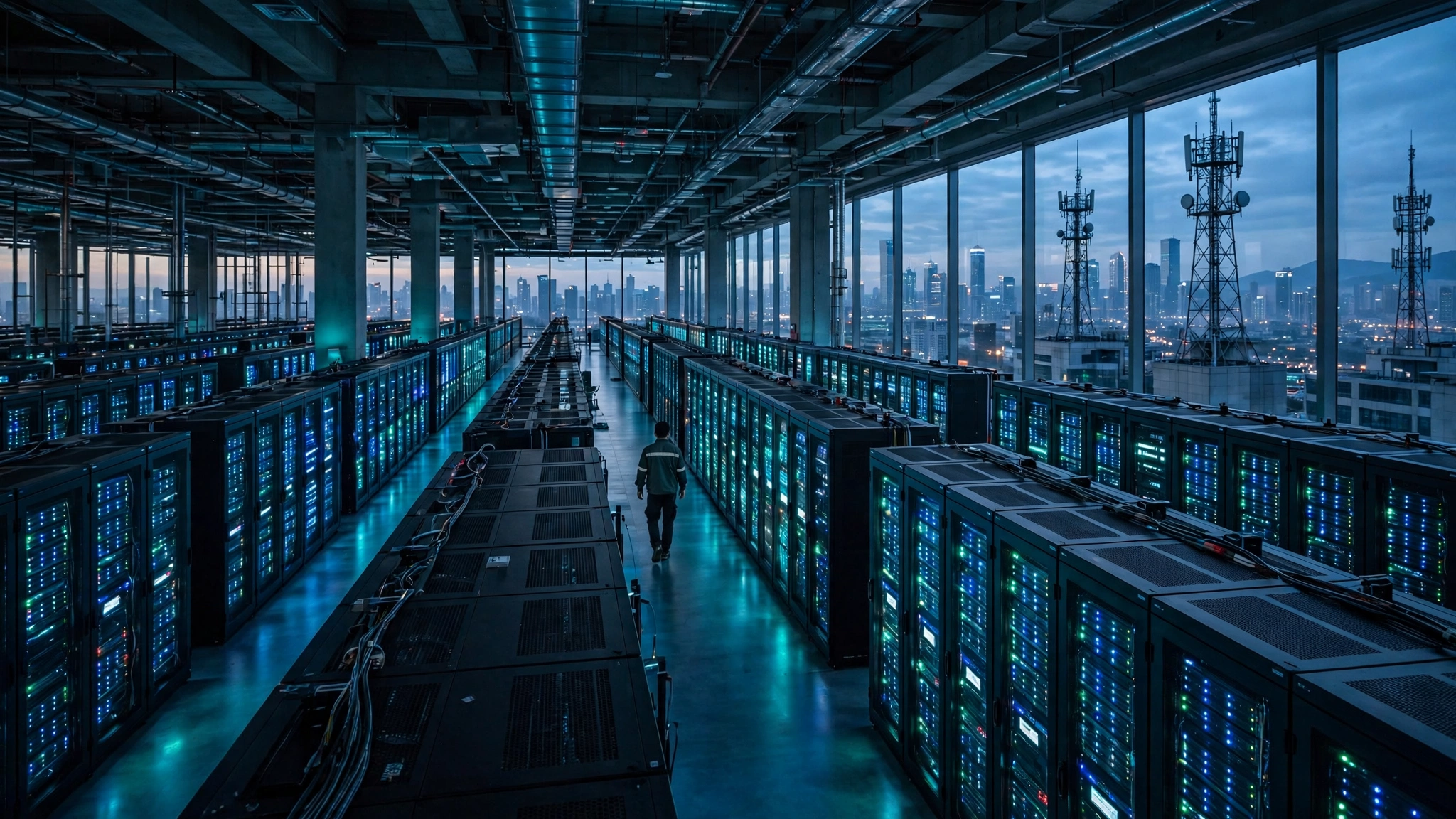
China Mobile framed the spending as part of a shift in what its infrastructure is for. Computing power infrastructure is evolving from traditional internet data centres to AI data centres, from CPUs to GPUs, and from cloud resource pools to what Chen called "token factories" — facilities built to generate the tokens that large AI models consume. The carrier is accelerating construction of gigawatt-scale data centres to meet surging AI demand, and its network data already shows AI reshaping traffic patterns across its systems.
The scale of the bet is large even by Chinese state-sector standards. Chen said the company's industrial investment has now exceeded 280 billion yuan, about $42 billion, with intelligent-economy investment above 100 billion yuan across more than 150 projects invested in directly or through managed funds.
A domestic-chip bet under export controls
The spending also underlines Beijing's push to build AI capacity on home-grown hardware while US export controls limit access to the most advanced foreign chips. Just last week, China Mobile published a candidate-winner notice for its 2026-2027 centralised procurement of 20,480 next-generation AI super-node cards, with combined bids of roughly 11.66 billion yuan. The carrier has said it plans to build the country's largest and most advanced AI computing network by 2028, running entirely on domestically produced chips.
That ambition fits a wider state plan. Beijing is preparing a roughly $295 billion, five-year programme to build a nationwide network of interconnected AI data centres, with state carriers including China Mobile and China Telecom expected to operate much of the infrastructure and domestic suppliers such as Huawei providing at least 80 percent of the key technology, according to reports earlier this year.
What it means for the AI race
For the global AI race, the numbers put a state carrier's budget on par with the biggest private builders. China Mobile's $15 billion computing-power commitment for a single year sits close to Google's $17 billion Wyoming data-centre project announced this week, and it arrives as the carrier's AI capacity doubles for the second year in a row.
The open question is delivery. Gigawatt-scale data centres need not only capital but also chips, power and cooling at a scale China is still assembling — and whether domestic supply chains can meet the demand will decide whether the 2027 spending turns into working capacity or simply a bigger procurement bill.