By Hamza Faisal
Chevron reported third-quarter earnings that blew past Wall Street expectations on Friday, as soaring refining margins turned a difficult quarter for oil production into one of the strongest results in the company's recent history. Adjusted earnings reached $10.4 billion, or $5.28 per share, up 185 percent from the same quarter a year ago and comfortably ahead of the $4.89 per share analysts had expected, according to LSEG data.
The beat was driven almost entirely by the downstream business — refining and fuel sales — which benefited from a global squeeze on refined products. Crude prices have stayed elevated through the quarter, with Brent trading above $115 a barrel, as the US-Israeli war on Iran and the Russia-Ukraine conflict continue to disrupt energy flows through the Strait of Hormuz and beyond.
Refining carries the quarter
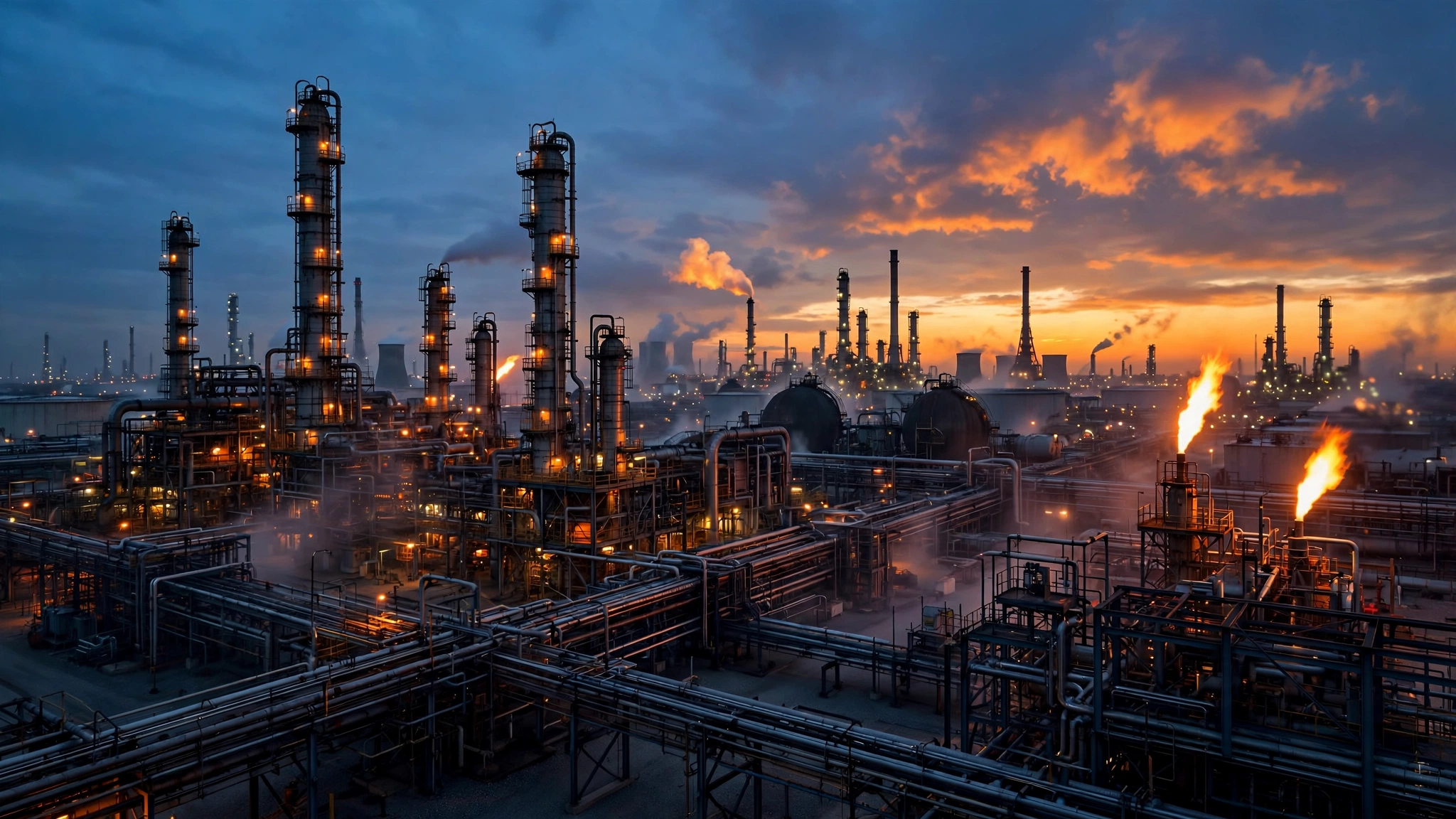
Chevron's downstream earnings totaled $4.9 billion, slightly higher than the second quarter and a dramatic turnaround from a year ago, when the same unit earned roughly $1.1 billion. The company's US refineries processed a record of more than one million barrels of crude per day, while diesel and jet fuel yields rose by more than 10 percent — the products where shortages have been most acute.
The refining windfall cushioned a weaker performance upstream. Earnings from oil and gas production came in at $5.7 billion, down 30 percent from the previous three months, as lower oil prices and timing effects weighed on the segment. Total production slipped 2 percent from the prior quarter to 3.98 million barrels of oil equivalent per day.
Venezuela returns to the ledger
The quarter also marked a quiet milestone for Chevron's Venezuela business: it included a full month of production from the country after Chevron switched to equity accounting for its operations there, following improved fiscal terms agreed with Caracas. The company said its Venezuelan output is now free-cash-flow positive, with total costs of less than $20 per barrel.
Chevron is also updating its agreements in Venezuela, adding acreage in the Orinoco Belt and planning more than $7 billion of investment over five years, with the aim of lifting production there to about 600,000 barrels per day. The expansion sits alongside the integration of Hess, acquired last year, and continued growth in Guyana.
A balance sheet transformed
The cash keeps piling up. Chevron generated $14.2 billion of adjusted free cash flow in the quarter, twice the level of the same period last year, and used the windfall to pay down debt: net debt ended September at $20.7 billion, down from $34.5 billion at the end of 2025. At the current pace, analysts have noted, the company could approach a net-cash position within a year.
Investors had already priced in much of the good news — Chevron shares touched a fresh 52-week high of $225.67 earlier this week — and attention now turns to how long the refining boom lasts. The company's larger rival ExxonMobil was due to report its own third-quarter results later on Friday, with analysts expecting its profit to more than double from a year ago on the same refining tailwind. For Chevron, the question for the fourth quarter is whether margins stay elevated, or whether the windfall fades as quickly as it arrived.