By Hamza Faisal
The biggest US technology companies are generating record amounts of cash — and returning the smallest share of it to shareholders in at least 15 years. A Reuters analysis of company filings and LSEG data shows that Microsoft, Alphabet, Amazon, Meta and Oracle paid out just 9.3 per cent of the cash their businesses generated as dividends and buybacks in the first nine months of 2026, down from 27.4 per cent a year earlier, as surging artificial intelligence spending swallowed the money that once flowed back to investors.
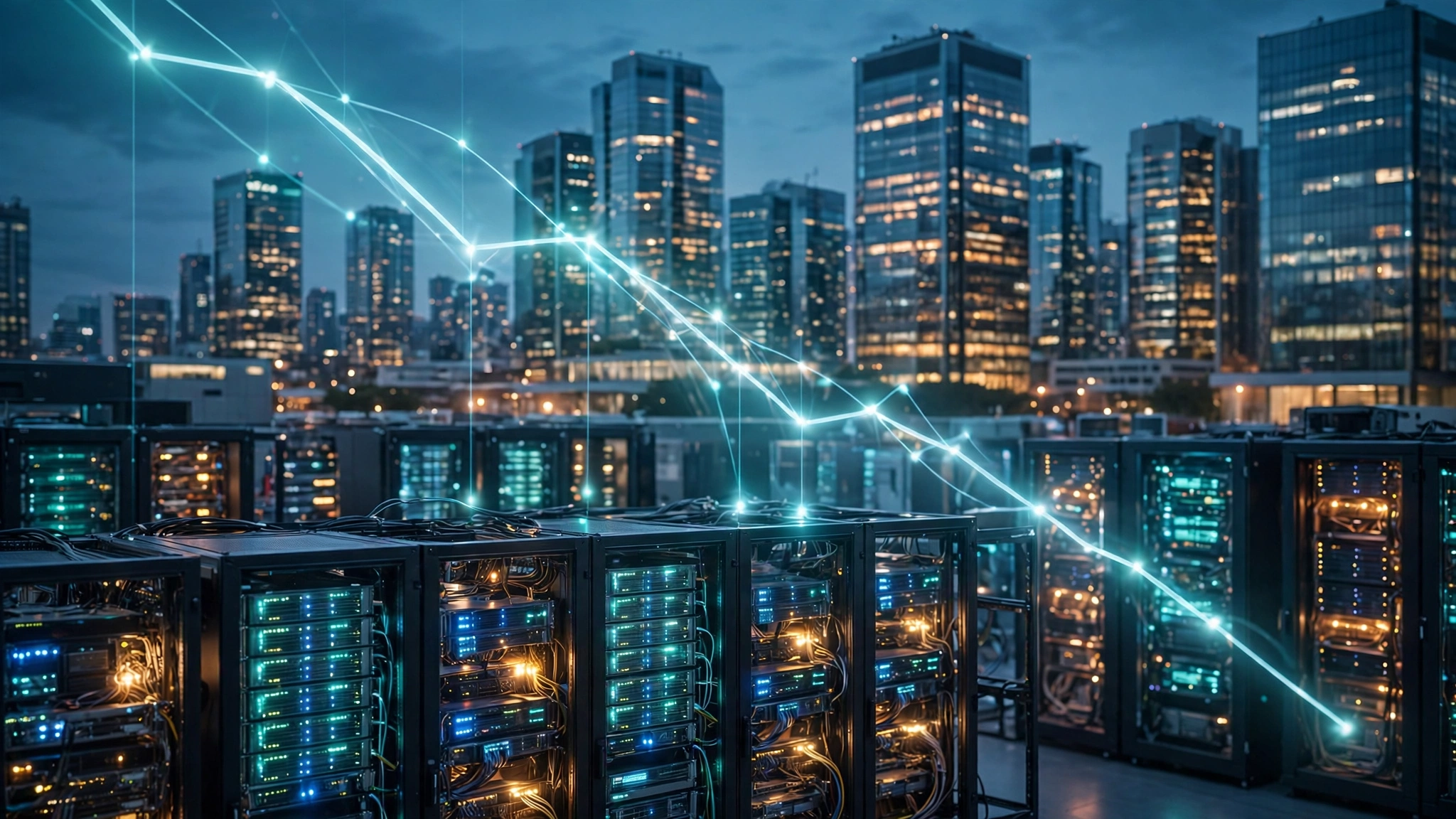
Operating cash flow actually rose 29 per cent from a year earlier to a record $542.9 billion. But capital spending, driven by the AI buildout, doubled to $556.9 billion — exceeding the cash the five companies generated for the first time in data going back to 2011. That left them with a combined free cash flow deficit of $14 billion, against a surplus of $143.5 billion a year earlier.
Buybacks first to go
The squeeze has hit share buybacks hardest. The five companies cut repurchases by 83 per cent, to $13.6 billion from $81.8 billion a year earlier. Dividends, which investors treat as a firmer commitment, rose to $37 billion from $33.9 billion — but buybacks, the flexible lever companies can pause without breaking a promise, have almost disappeared.
Alphabet and Meta have not repurchased a single share in 2026, after buying back $66.5 billion in the first nine months of last year. Amazon pays no dividend and has not bought back shares since 2022. Microsoft accounted for nearly all of the group's remaining repurchases, and even it cut buybacks to $4.4 billion in the September quarter, from $5.7 billion a year earlier.
Funded by debt and share sales
With combined free cash flow negative, the group's $50.6 billion in payouts was effectively funded from cash reserves, borrowing or share sales, Reuters reported. Amazon's capital spending of $75.9 billion in the third quarter was almost 80 per cent more than the $42.4 billion its operations generated, and it raised $48.1 billion of long-term debt in the quarter. Alphabet's free cash flow was also negative, and it raised about $12.4 billion from share sales and $29 billion from debt.
The shift matters because buybacks have long supported technology share prices. By shrinking the share count, repurchases can lift earnings per share even when profits are flat. Alphabet, for example, reduced its share count by 9.5 per cent between the end of 2020 and 2025 through buybacks, according to ING. Without that tailwind, valuations lean far more heavily on the AI spending eventually turning into higher profits.
Investors now ask what the spending buys
That is the question hanging over the sector. Technology and communication services stocks account for about 43.5 per cent of US market value, yet MSCI found their shareholder yield was just 0.28 per cent in July, against 1.99 per cent for the rest of the market. Amazon said it still expects about $220 billion of capital spending this year, and the other companies have signalled further increases.
For years, Big Tech's appeal rested partly on capital-light businesses throwing off cash for shareholders. The Reuters figures show that era, at least for now, has been put on hold: the cash is still coming in at record levels, but it is going into data centres and chips first, and back to shareholders only with what is left.