By Hamza Faisal
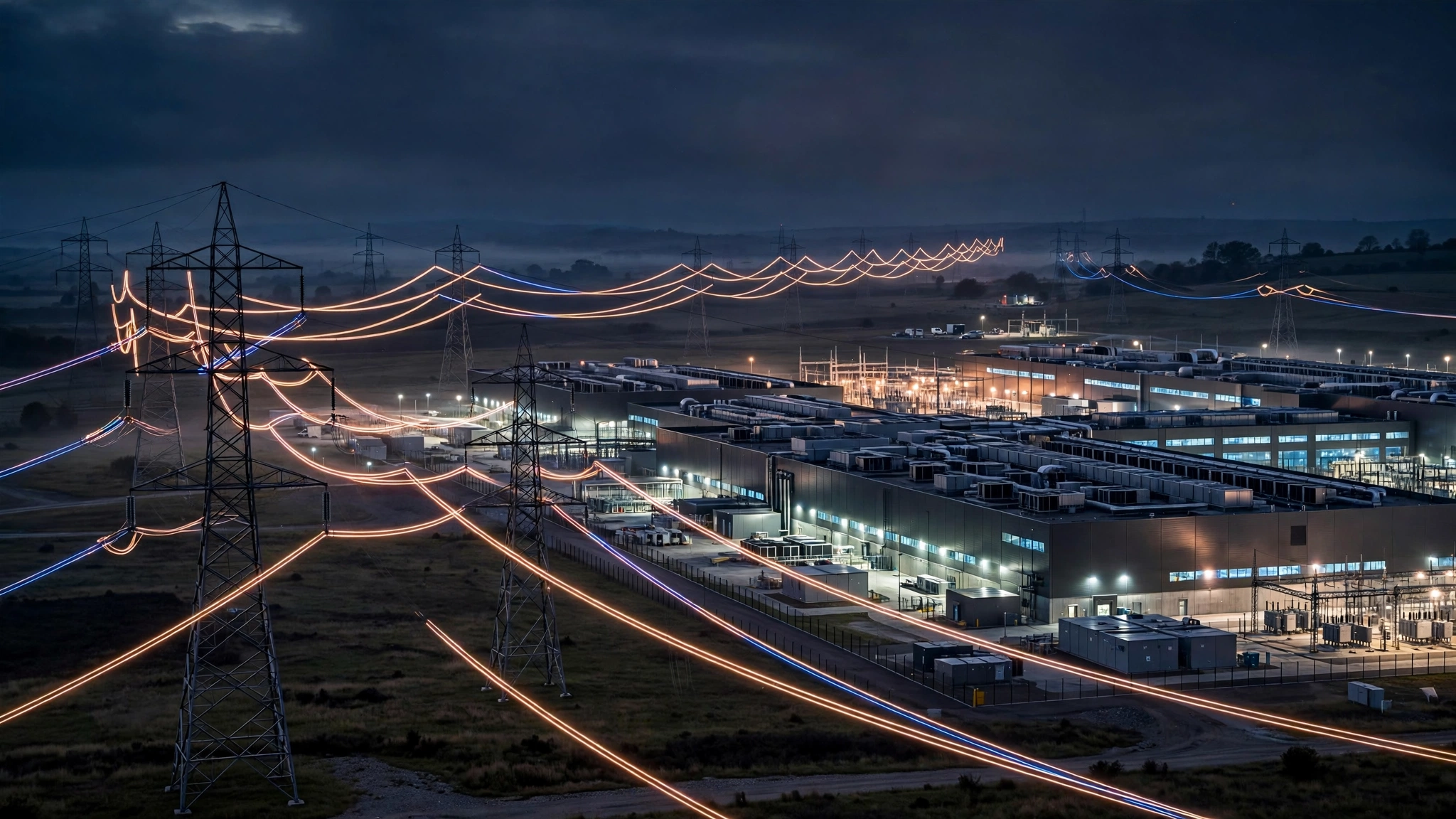
Australia wants to be the Asia-Pacific's AI hub, with a data-centre pipeline worth more than A$100 billion riding on it. But a Bloomberg review of company disclosures has surfaced a problem that's hard to spin: more than three-quarters of the 40-plus large data centres planned or under construction around Sydney and Melbourne have not publicly confirmed they actually have electricity to run on.
Just 23% have publicly secured power supply or grid connections, according to the review published on October 23. In Sydney, seven of 28 active projects have confirmed power; in Melbourne, it's three of 15. Grid connection agreements are one of the clearest signs a project is genuinely advancing — and their absence points to significant setbacks and potential delays across the pipeline.
The boom clustered where the power isn't
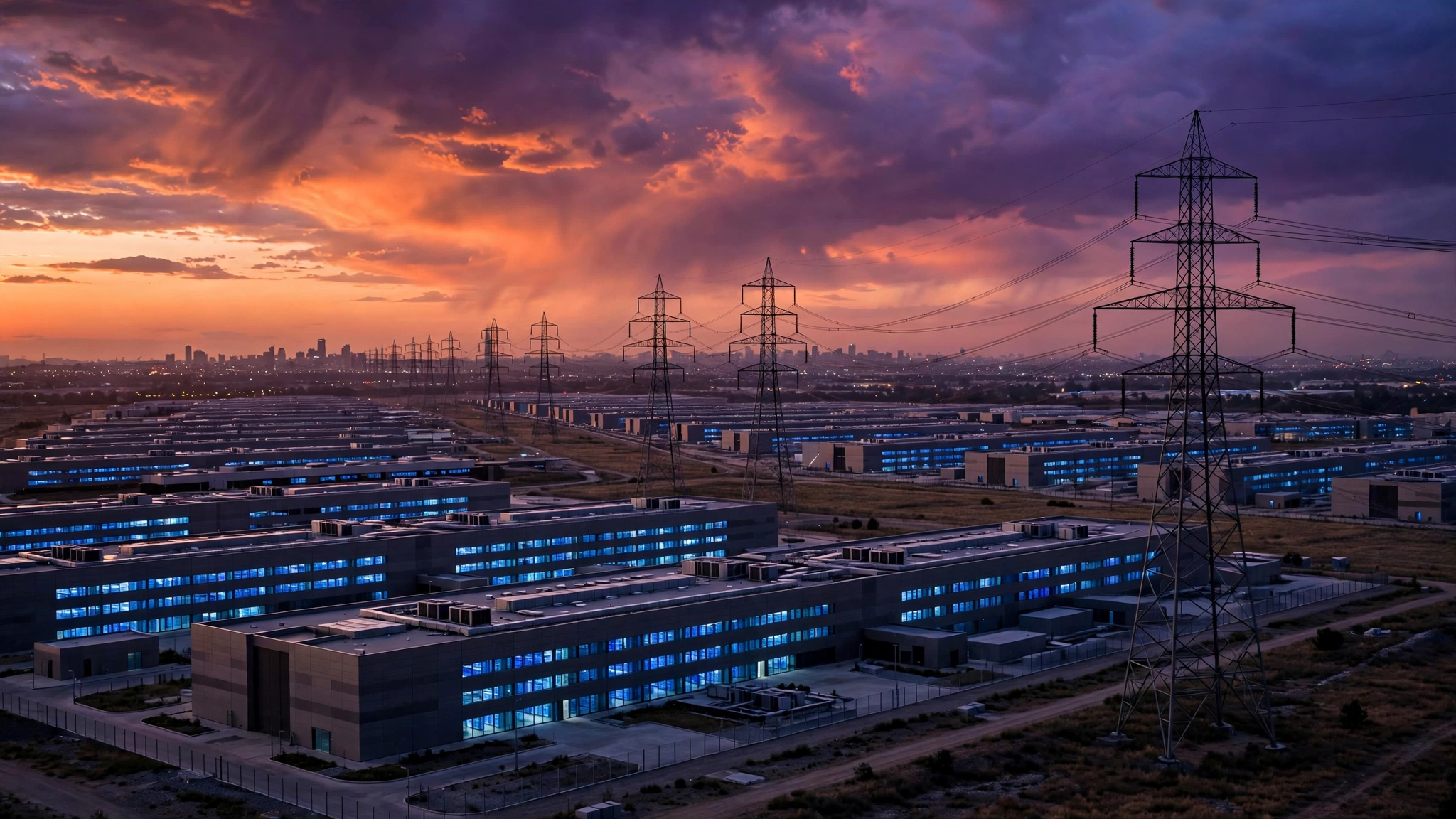
Australia's bet is built on real advantages: vast open spaces and enormous clean-energy potential. But almost the entire pipeline has clustered around Sydney and Melbourne — where nearly two in five Australians live — to take advantage of existing fiber networks and reliable power. That clustering is now straining already-stretched infrastructure and pitting developers against residents.
Bloomberg contacted 25 developers to verify their public disclosures. GreenSquare declined to comment on its power arrangements but said it was "working closely with relevant authorities and infrastructure partners to support long-term operational performance." CDC Data Centres said it had "robust delivery plans in place for all sites currently under construction." Nine others declined to comment or didn't directly answer questions about future projects; the rest did not respond.
Locals are pushing back
Grid capacity is only half the problem. Local opposition is rising, with residents raising noise, pollution, fire risk and water use — and objecting to giant facilities sited near homes, schools and farmland. Bronwyn Cumbo of the University of Technology Sydney has described a rising public resistance to AI, particularly generative AI, in surrounding communities.
The power shortfall lands in the middle of a global scramble for compute. Chip orders are racing ahead — BE Semiconductor Industries reported third-quarter orders of €342.6 million, up 17% from the previous quarter and 96% from a year earlier — but the buildings those chips need are still waiting on substations and street-level goodwill.
Faster buildings don't fix the grid
Even prefabricated speed can't solve it. NVIDIA's DSX POD reference design, built on the Vera Rubin platform, promises AI factories in modular containers that can deploy at a prepared site in as little as 14 days, with global availability expected in early 2027. But a faster build does nothing for the things most Sydney and Melbourne projects still lack: a grid connection, cooling and planning approval.
For Australia, the stakes are the country's pitch to become the region's AI hub. For the industry, it's a warning shot: the AI boom's scarcest resource right now isn't chips — it's electricity.
By Hamza Faisal