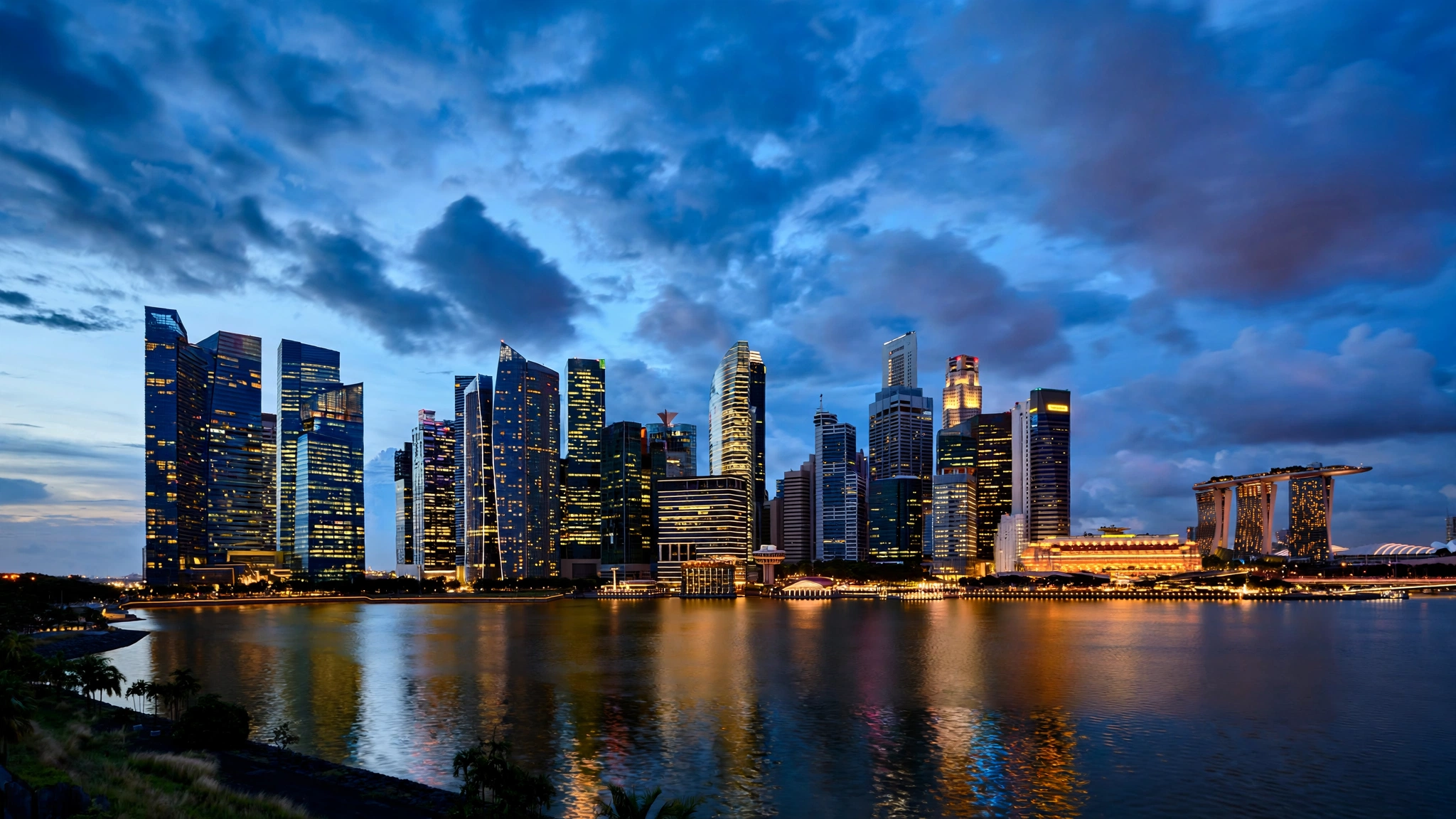
Apple saved about $2.7 billion in taxes in fiscal 2026 by booking profits in Singapore, overtaking Ireland as the company's biggest tax shelter, according to a Financial Times analysis of the iPhone maker's annual report.
The figures come from Apple's Form 10-K, filed on November 3, which for the first time breaks down the company's tax bill country by country under a new US accounting rule. The Financial Times reported the findings on November 8.
Apple's fiscal 2026 ended on September 26. Pre-tax profit for the year was $159.24 billion, and the company set aside $27.06 billion for income taxes — an effective rate of 17 percent, against the 21 percent US federal rate.
How Singapore delivered the saving
In the tax reconciliation in its annual report, Apple lists a $5.49 billion reduction from Singapore's lower tax rate, including incentives, measured against the 21 percent US federal rate. That benefit was partly offset by a $2.51 billion Singapore top-up tax and $311 million in other items, leaving a net saving of about $2.67 billion.
The Financial Times estimates Apple booked up to $50 billion of profit in Singapore during the year. That figure is the newspaper's own calculation, not a number Apple publishes, since the company does not break out profit by country.
Singapore's statutory corporate tax rate is 17 percent, but the city-state offers tax benefits to certain companies. Its top-up tax is Singapore's version of the global 15 percent minimum tax for large multinational groups, which applies from financial years starting in 2025.
Ireland slips to second place
The same filing shows Apple saved about $2.57 billion through Ireland, its long-standing European base — a $3.46 billion rate difference offset by $0.90 billion in other items. Singapore has now edged ahead of Ireland as Apple's largest source of tax savings.
Cash taxes paid tell a similar story. Apple paid $34.59 billion in cash corporate tax in fiscal 2026, including $3.25 billion in Singapore and $4.96 billion in Ireland.
Apple declined to comment, the Financial Times reported. No determination has been made that the Singapore arrangement is illegal. Regulators have punished similar structures before: the European Union found Apple's Irish arrangements unlawful, a process that led to a large payment to Ireland in 2025.
Why the numbers are public now
The disclosure exists because Apple adopted the US accounting standard ASU 2023-09 starting with its 2026 report. The rule requires large US-listed companies to itemize big reconciling items by jurisdiction and disclose cash taxes paid by country.
Bloomberg Tax's reading of the same filing confirms Apple's effective tax rate rose to 17 percent, driven in part by the global minimum tax. The new disclosures mean Apple's tax geography — long a matter of estimates and leaks — is now visible in its own filings, and Singapore sits at the centre of it.