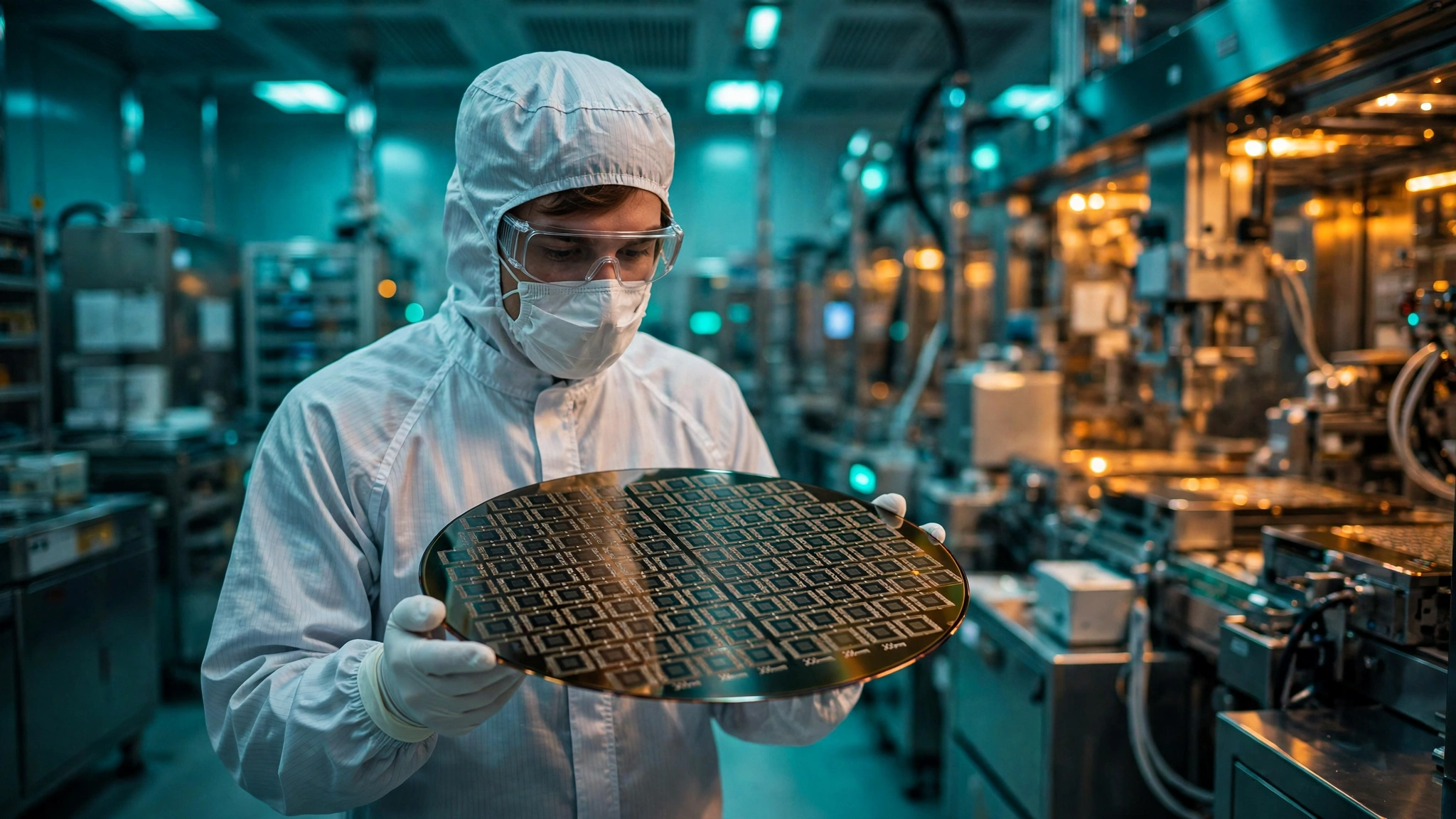
The race to build artificial intelligence infrastructure has unleashed billions of dollars of investment in a corner of chipmaking that, until recently, barely registered outside the industry: advanced packaging. What was once an unglamorous final step in turning silicon into a finished chip has become a critical bottleneck in producing the world's most powerful processors.
As demand for AI chips outstrips available packaging capacity, companies from Nvidia and AMD to lesser-known suppliers in Taiwan are expanding production, while equipment makers race to develop new tools, according to interviews with more than a dozen industry executives and analysts in a Reuters report published on November 6.
The bottleneck nobody saw coming
Modern AI accelerators are not single chips. A graphics processor or custom AI chip can integrate 10 or more separate pieces of silicon — sometimes as many as 20 — combining processors and stacks of high-bandwidth memory that must exchange vast amounts of data at high speed.
Advanced packaging is the technology that binds those pieces together on a shared base so they work as one device. And it could eventually account for as much as half the value of a chip product, former Intel chief executive Pat Gelsinger estimated.
Revenue from advanced packaging is forecast to overtake the traditional route for the first time in 2026, research firm Yole Group says, with capital spending on the technology expected to near $28 billion. Yole projects the market will more than double by 2031, reaching at least $120 billion.
TSMC dominates — and everyone else wants in
Taiwan's TSMC dominates the most sophisticated form of the technology, known as chip-on-wafer-on-substrate, or CoWoS. But the company's capacity limits have pushed chip designers to seek additional supply.
Nvidia, for example, is providing billions of dollars in financing to expand CoWoS packaging capacity at Siliconware Precision Industries, or SPIL, a unit of Taiwan's ASE Technology, according to an industry executive familiar with the matter. TSMC says it has doubled its advanced packaging capacity every year for the past three years and now runs 10 dedicated facilities — yet still cannot fully meet demand from AI customers.
The squeeze is also creating openings for smaller suppliers. Taiwan's Powertech Technology, known as PTI, is betting on panel-level packaging, which uses larger rectangular panels instead of round wafers as the platform. "The most important thing right now is capacity," said PTI senior vice president Jim Lin.
Powertech plans to invest $400 million in an advanced packaging joint venture with Broadcom in Singapore, with production possibly beginning in 2028. TSMC, meanwhile, is developing its own panel-based technology, called chip-on-panel-on-substrate, or CoPoS.
A supply chain still catching up
The packaging crunch is the latest reminder that the AI buildout is constrained not only by cutting-edge transistors, but by every link in the manufacturing chain. A logic wafer that cannot be packaged is not an accelerator — and for now, the assembly slot, not the transistor, is what gates the world's most powerful AI hardware.
As the industry pours money into new capacity, the race is on to see whether packaging can keep pace with the chips it is meant to finish.


