By Hamza Faisal
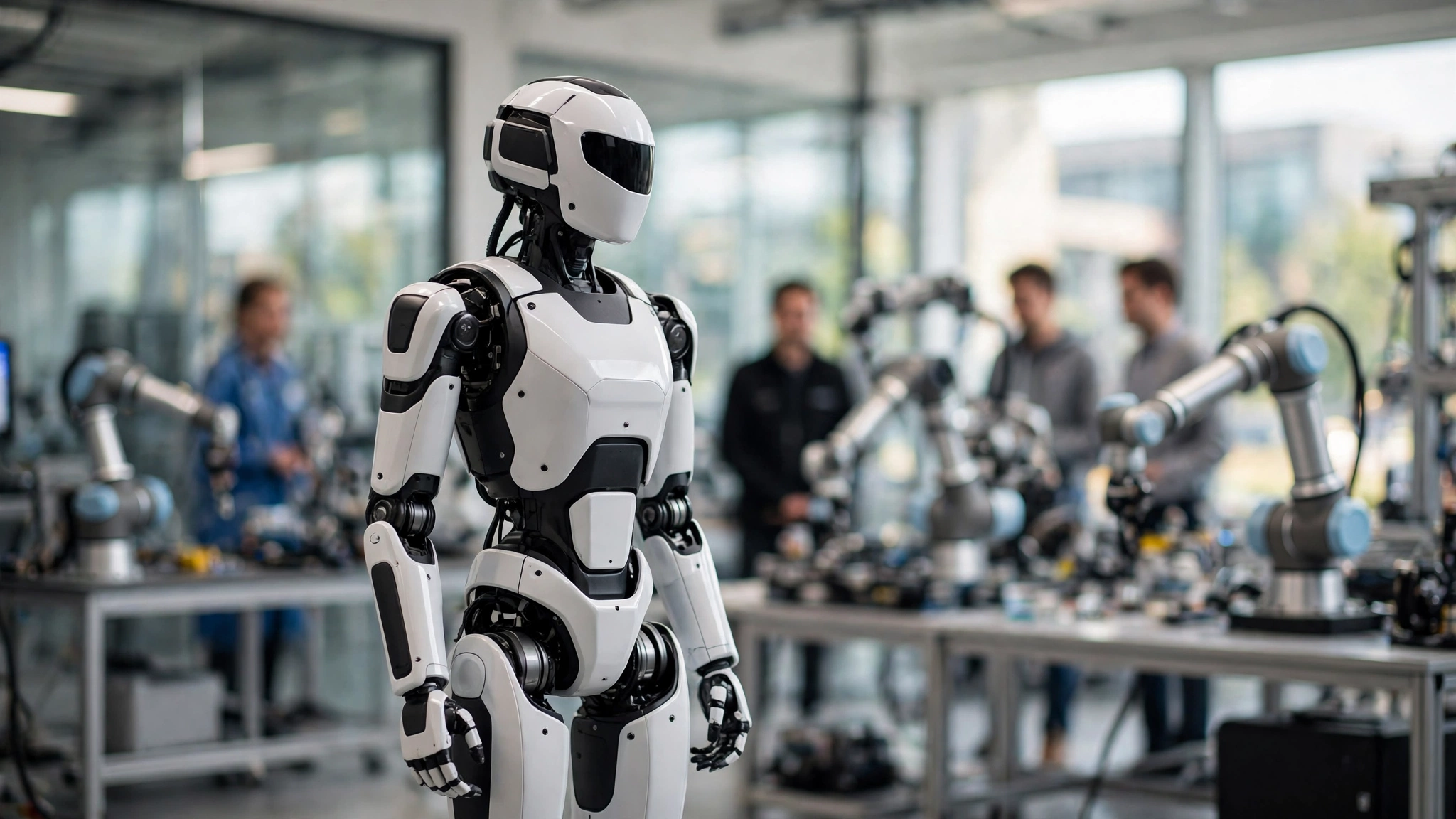
Tesla has started early production of its Optimus humanoid robots at its Fremont factory, moving beyond prototypes to what the company describes as its first production-quality machines. Chief executive Elon Musk confirmed the milestone on Tesla's third-quarter earnings call on Wednesday, while cautioning that the ramp to meaningful volume will be long and uneven.
In its shareholder letter, Tesla described the current Optimus production process as suitable for a commercial product, according to reporting by TechCrunch. Musk, however, was more careful with his words on the call, calling it "early production" on a high-volume line in California and warning that scaling it would be "somewhat bumpy because it is such a radically new product."
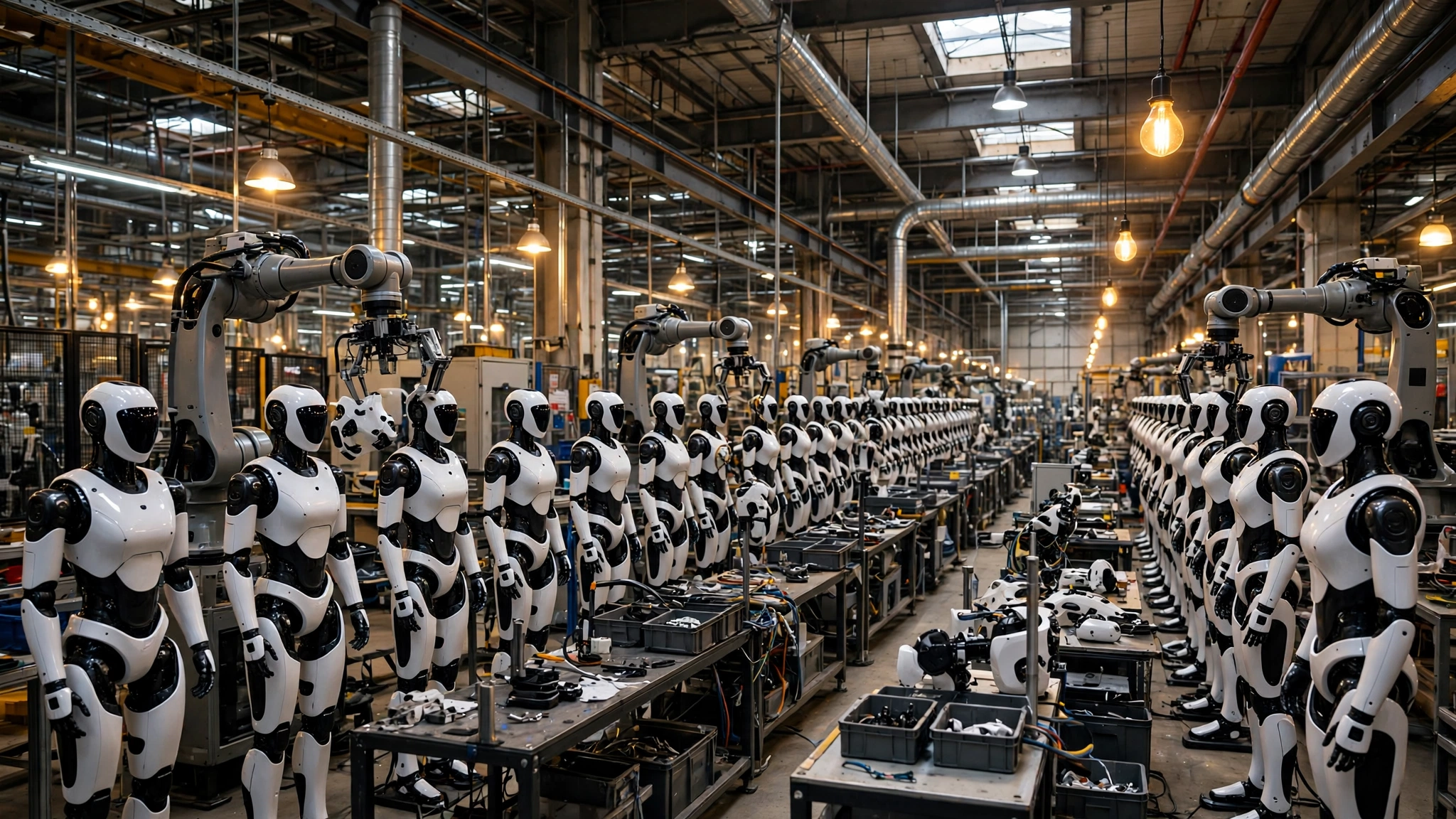
The distinction matters. Tesla says the "vast majority" of a line designed for a million robots a year is already in place at Fremont, but Musk estimated it will take "at least a year, maybe a little longer" to reach 20,000 units a week, with parts of the robot's design still changing. "There's like 10,000 things that have to go right for production of the robot," he said, "and it'll move as fast as the slowest, least lucky of the 10,000."
First customers by the end of 2027
Musk said Tesla expects to start delivering Optimus to companies outside Tesla "around the end of next year," with initial customers likely to be industrial firms doing dangerous, repetitive or round-the-clock work. A second production line under construction in Austin is eventually designed for annual capacity of 10 million robots.
The company is also building an "Optimus Academy," a training facility where robots will practice physical tasks and generate the data needed to improve them. Tesla plans to integrate its next-generation AI5 chip into Optimus around April, which Musk said would deliver roughly an order of magnitude more computing capacity than the current AI4 hardware.
Musk also promised a new demonstration video of Optimus within one or two months, and insisted it would not be a scripted routine. He dismissed some rival humanoid demos as deterministic, pre-programmed tasks, saying he wants Tesla's footage to avoid looking like a "canned demo." He added that he would be "stunned" if any rival offered a robot remotely competitive with Optimus by the time customer deliveries begin.
Why this bet matters now
The Optimus push comes at a moment when Tesla is asking investors to look past a difficult auto business. Third-quarter revenue of about $28 billion was roughly unchanged from a year earlier, with automotive revenue down about 3% and net income falling sharply. On the same call, Musk said Optimus and the Cybercab robotaxi will eventually account for "the vast majority" of Tesla's value.
That framing is the entire investment thesis: Tesla as a robotics and AI company wearing a carmaker's history. Analysts like Deepwater Asset Management's Gene Munster argue most investors still treat Optimus as optionality, though he considers the option enormously valuable.
The promise comes with the usual caveat attached to Musk's hardware timelines. Shattered.io's running timeline notes Tesla's own shareholder filing says V3 hardware is finalized, but the ramp to 20,000 robots a week remains a stated target, not a reported output rate. Everything above the production rate target is confirmed fact, drawn from Tesla's statements; everything below it is, as one tracker put it, a Musk target — a meaningfully different category of information.
By Hamza Faisal