YouTube has rolled out one of its biggest creator-focused updates in years. At the annual Made on YouTube event held in New York City on Wednesday, September 23, 2026, the company introduced a suite of AI-driven tools for YouTube Studio, upgraded protection against unauthorized AI impersonation, and an ambitious expansion of its Shopping affiliate program.
The announcements arrive at a moment when generative AI is reshaping how videos are produced — and when creators are asking platforms to give them both creative leverage and stronger control over their digital identities.
Smarter planning and editing with AI
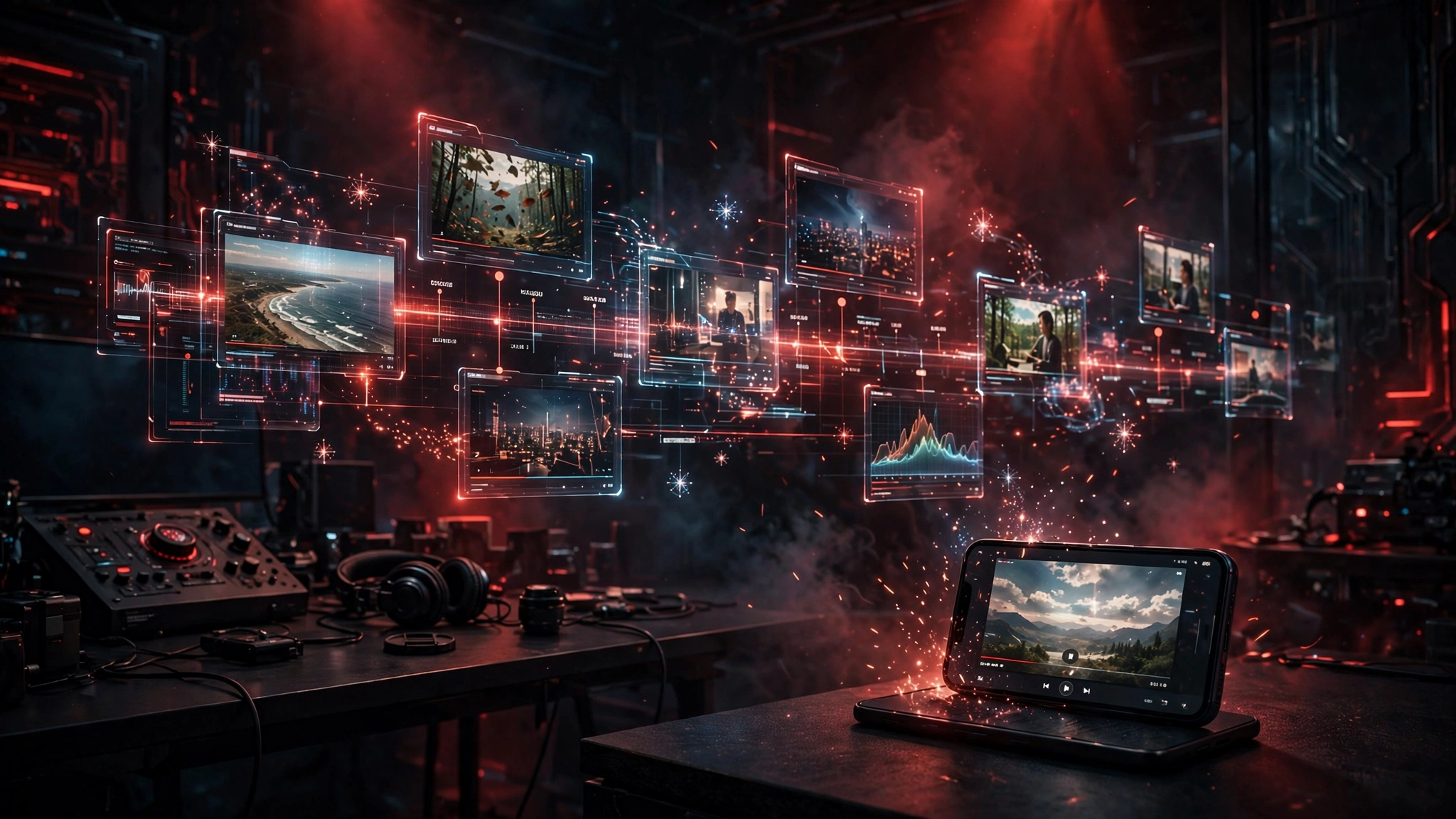
The headline additions sit inside YouTube Studio. Creators will soon be able to get AI-generated feedback on video drafts before publishing, receive thumbnail suggestions tailored to their channel's style, and run experiments with up to three different cuts of the same video to see which performs best.
Separately, a Gemini-powered assistant is being brought into Shorts and YouTube Create, where it will help creators edit clips, trim awkward pauses, and sync music to footage — tasks that currently eat up hours of manual editing time for short-form creators.
New defenses against AI impersonation
Alongside the creative tools, YouTube strengthened its likeness-protection system. The platform's detection tools now combine voice and facial recognition to identify unauthorized AI-generated impersonations of creators, flagging content where someone's face or voice has been synthesized without permission.
The move addresses one of the fastest-growing complaints among public figures and full-time YouTubers: synthetic deepfakes that borrow their likeness to promote scams or misleading content. By merging audio and visual detection into a single system, YouTube says it can catch more convincing impersonations than either signal could on its own.
Shopping and discovery get smarter
Commerce is the third pillar of the announcement. The YouTube Shopping affiliate program — which lets creators earn commissions by tagging products in their videos — will expand to 35 countries by the end of the year. The company says more than 1.3 million creators are already enrolled.
Creators in India and Brazil are also getting a notable addition: the ability to tag Amazon products directly, with localized offers shown to viewers in those markets. For review and unboxing channels, that means monetizable product links that actually match what local audiences can buy.
The event also brought viewer-facing updates. "Custom Feeds" are coming to users in the United States across web, mobile, and TV, offering personalized homepage tabs that viewers can shape around their interests.
Meanwhile, "Ask YouTube" is getting smarter: it will now handle shopping-related questions and follow-up queries, present product-comparison tables, and accept voice commands on TV — positioning the assistant as a discovery and shopping companion rather than just a help tool.
Why it matters for Pakistan
Pakistan is home to one of the world's largest and fastest-growing YouTube creator economies, with millions of young creators building channels in Urdu, regional languages, and English. The AI editing and thumbnail tools lower the biggest barrier most of them face — time and production polish — letting a one-person channel in Lahore or Karachi produce at a pace closer to a full production team.
The likeness-protection upgrade matters here too: Pakistani creators with large followings are frequent targets of impersonation and voice-clone scams on social media. Stronger platform-level detection gives them a real line of defense.
The catch is geography. The Shopping affiliate expansion reaches 35 countries by year-end, but Pakistan's inclusion is not guaranteed — and until it is, local creators can't fully tap the commerce revenue stream the event highlighted. For now, the AI tooling is the biggest immediate win, and it is the part Pakistani creators should start preparing for.