A workstation with data-center muscle
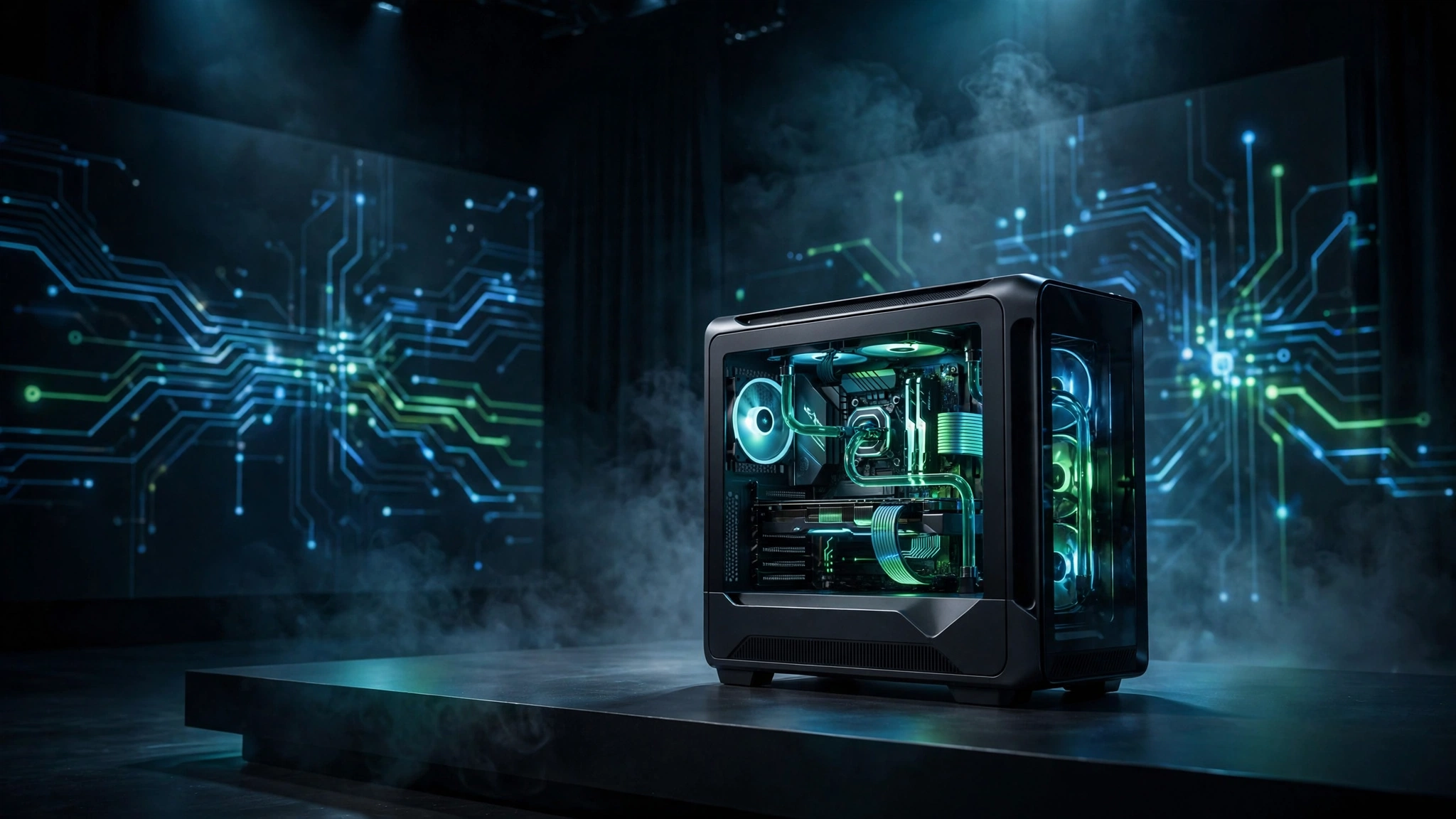
The ZGX Fury is HP's deskside AI supercomputer, built for organizations that want to develop, test, and deploy sophisticated AI applications on their own premises, close to their users, data, and workflows. The GB300 Grace Blackwell Ultra chip inside is the same class of silicon Nvidia sells to data centers, now packaged for desktop use.
HP says the machine lets enterprise teams run demanding inference workloads, support more concurrent users and AI calls, and experiment with larger or more complex models — all while keeping tighter control over their AI infrastructure. For companies reluctant to send sensitive data to the cloud, that control is the point. The demo builds on HP's GB300 vision, first previewed earlier this year at Computex.
Windows becomes an AI development platform
The choice of stage matters. With Nvidia's chief executive demonstrating Windows on the machine alongside Microsoft's, the pitch is clear: the ZGX Fury is the missing rung between a laptop and a data center rack — a box where developers can build and run frontier AI agents tied into everyday Windows applications and workflows.
It is the same bet HP has been telegraphing for months. In an earlier announcement, HP said GB300-powered deskside and rackable high-performance compute would come to Windows later this year, aimed at enterprise teams building always-on, frontier AI agents. The ZGX Fury is that promise made concrete — demonstrated in public, for the first time, on the operating system most enterprise users already live in.
The local-AI push goes wide
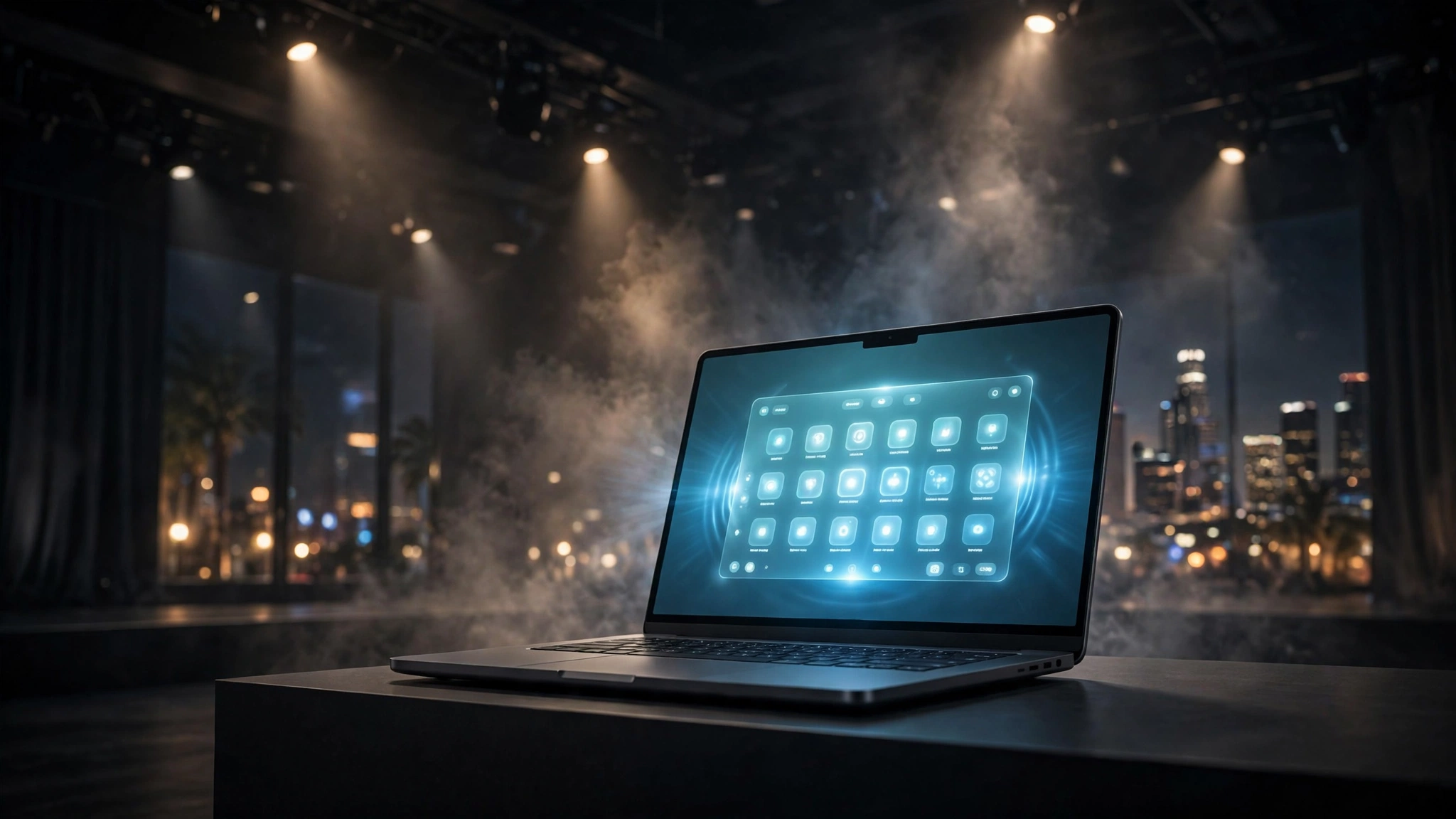
The GB300 demo was not HP's only hardware news on October 8. The company also confirmed its new portfolio of RTX Spark-powered Windows PCs — including the OmniBook lineup first revealed at IFA in September — will be available starting October 16, bringing local AI, intelligent agents, and advanced RTX capabilities to slim laptops and desktops that stay private by default.
Taken together, the two announcements sketch HP's playbook for what it calls the local AI era: RTX Spark machines for creators, gamers, and AI developers who want cloud-independent models on the go, and GB300 deskside workstations for teams running the heaviest workloads on site. Nvidia gets Windows everywhere from the laptop to the rack — and HP gets to sell both ends of that spectrum.
By Hamza Faisal