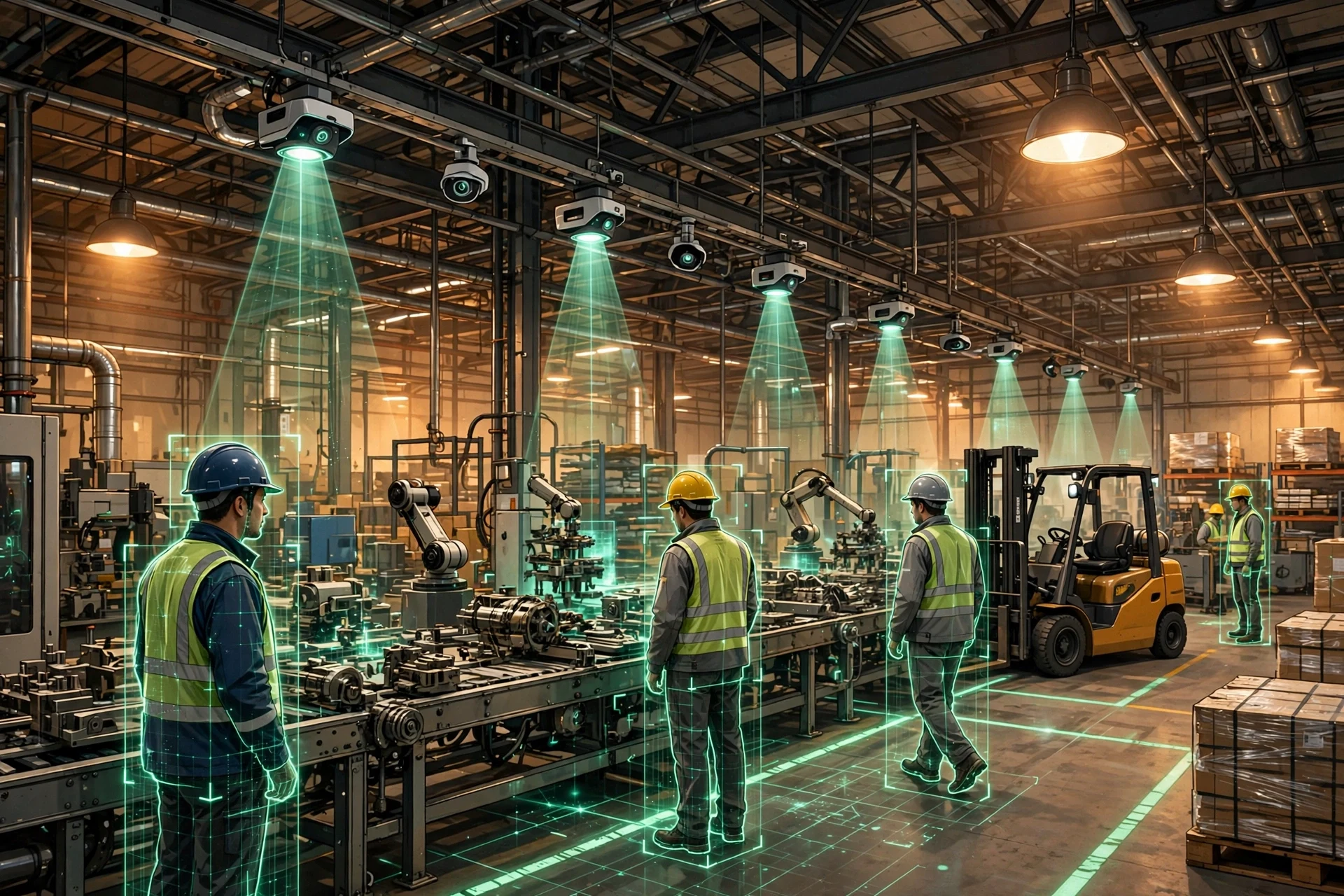
Voxel, a startup using computer vision to make construction sites safer, has raised $44 million in a Series B round. The company turns existing site cameras into AI-powered safety monitors, detecting hazards like missing protective equipment, unsafe worker behavior and equipment operating in restricted zones — in real time.
Construction remains one of the world's most dangerous industries, and Voxel's pitch is that AI can catch the risks human supervisors miss, before they become accidents.
How it works: AI on existing cameras
Voxel's key insight is infrastructural: most construction sites already have cameras installed for security. Rather than requiring new hardware, Voxel's software plugs into those existing feeds and applies computer vision models trained to recognize safety violations — workers without hard hats or high-visibility vests, forklifts operating near pedestrians, blocked emergency exits and similar hazards.
When the system detects a risk, it alerts site managers in real time, enabling intervention before an incident occurs. The platform also generates analytics over time, showing which sites, shifts and activities produce the most violations, so safety managers can target their training and supervision where it matters most.
Why now: the construction safety imperative
Construction site safety is both a human and a financial problem. Accidents cost lives, trigger regulatory penalties, delay projects and drive up insurance costs. For large contractors and developers, even modest reductions in incident rates translate into significant savings — which is why safety technology has a clear, quantifiable return on investment.
AI makes the economics work at scale. Human supervisors cannot watch every camera feed simultaneously, but software can monitor dozens of feeds around the clock without fatigue. As computer vision models have improved, the false-alarm rates that plagued earlier generations of video analytics have fallen to levels enterprises can actually use.
The $44M bet
The $44 million Series B gives Voxel the capital to expand beyond its initial customer base, invest in its computer vision models and push into new geographies and verticals. Investors are betting that AI-powered safety monitoring becomes standard equipment on major construction projects — much like hard hats themselves.
The round also reflects a broader trend: vertical AI startups, which apply artificial intelligence to specific industries rather than building general-purpose models, are attracting serious capital. Construction tech has been a quiet beneficiary, with investors waking up to the size of the industry and the scale of its inefficiencies.
What comes next
Voxel's challenge now is execution at scale: onboarding large enterprise customers, integrating with the messy reality of construction IT systems, and proving that its alerts translate into measurably fewer accidents. The company will also face competition from other computer vision startups and from incumbents adding AI features to their existing safety platforms.
If Voxel can demonstrate clear incident reduction across a large customer base, it has a path to becoming the default safety layer for the construction industry. In a sector where a single prevented accident can justify the entire contract, the value proposition is unusually direct — and the $44 million raise suggests investors believe the market is ready.