By Hamza Faisal
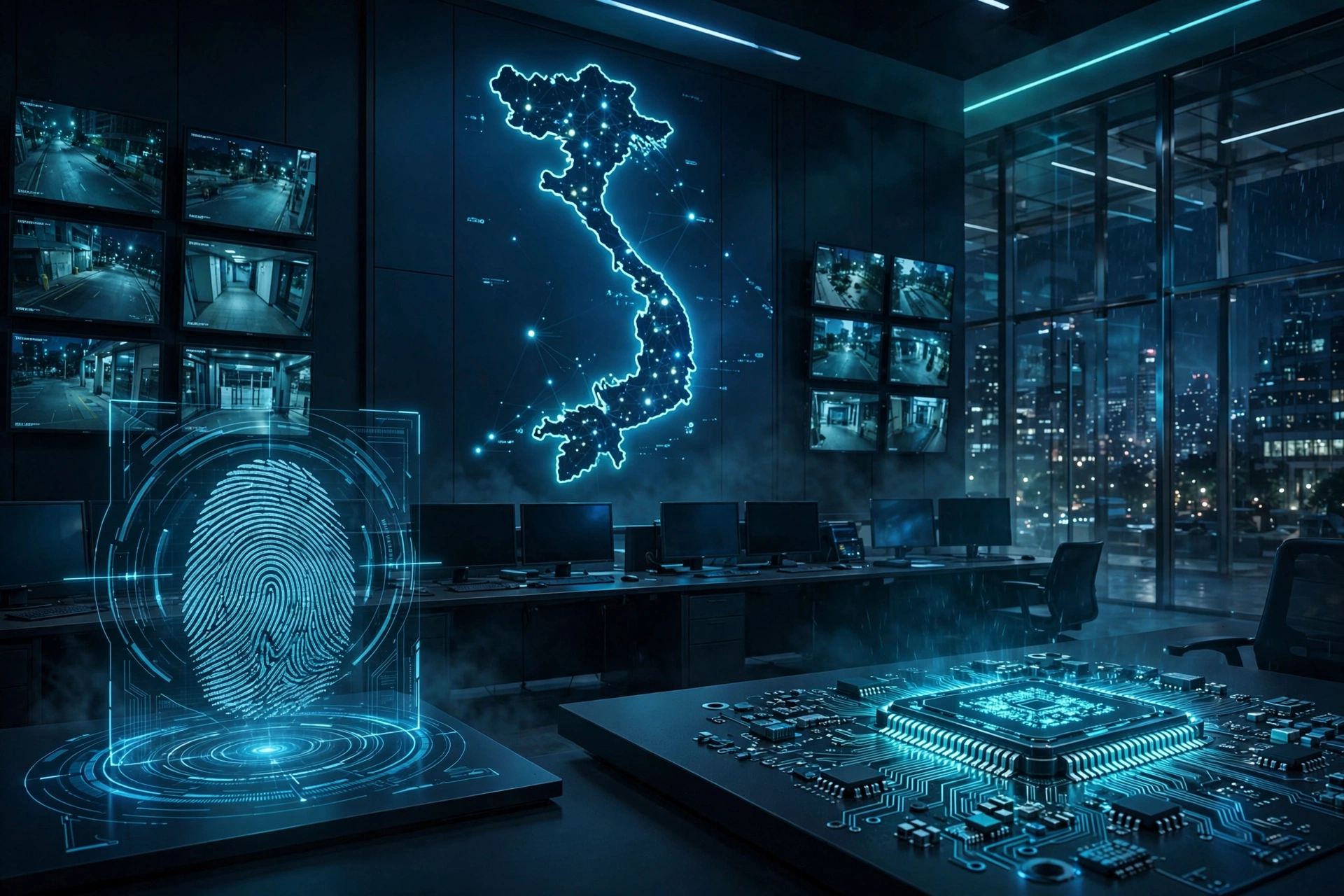
Vietnam's Ministry of Public Security has asked Samsung Electronics to cooperate with it on chips for security equipment, artificial intelligence for analyzing files, and biometric recognition software, according to Nikkei Asia.
The request came out of a meeting between Security Minister Luong Tam Quang and Na Ki Hong, the general director of Samsung Vietnam, summarized in a Friday post on the ministry's own website. The two sides discussed high-tech collaboration building on a two-month semiconductor training program that Samsung ran for ministry staff this summer.
From chip training to security hardware
That training — held from June 30 to August 26, 2026 for Vietnamese public-security personnel — was only the start. According to the ministry's post, Samsung has already helped "develop software optimized for [ministry] devices and integrated Samsung's mobile products into the Ministry of Public Security's equipment."
Now Quang wants more. He proposed expanding training programs in digital transformation, AI and big data, and prioritized research and development of technologies for the specialized security industry — specifically specialized biometric recognition software, AI-based automated document processing systems, security chips for security devices and equipment, and expert consultation on setting up a research laboratory for AI, biometrics and virtual metrology.
A ministry that keeps getting bigger
The outreach fits a pattern. In 2025, the security ministry took over management of MobiFone, a local telecommunications firm, and acquired a majority stake in FPT Telecom — putting a police ministry in direct control of significant pieces of the country's telecom infrastructure. Quang became the country's top police official after his predecessor, To Lam, became president in 2024; Lam later added the Communist Party chief's post, holding the country's two most powerful positions.
The ministry's growing tech capacity reflects its "growing power," Bill Hayton, author of several books on Vietnam, told Nikkei Asia. A ministry that trains its own chip engineers, runs telecom networks and now designs its own security silicon is not just a police force — it is an industrial player.
Why Samsung says yes
For Samsung, the calculus is straightforward. The company is the biggest foreign investor and exporter in Vietnam — and it needs the relationship to stay warm. Weeks ago, a Samsung subsidiary said its factory in Thai Nguyen province would ramp up production of chip substrates that have become a hot commodity in the global AI data-center boom.
Quang acknowledged the stakes, telling Samsung the government and the ministry would "continue to create the best possible environment for Samsung's stable, long-term investment" — and that Samsung was expected to contribute to Vietnam's socioeconomic development and to strengthening Korea-Vietnam relations. In Vietnam, tech partnerships with the state's security apparatus come with expectations attached — and for now, both sides seem happy to sign up.
By Hamza Faisal