United Airlines chief executive Scott Kirby has cast fresh doubt over Boom Supersonic's plan to return commercial supersonic flight by 2029, saying the startup's Overture airliner will take longer than its official timeline. Speaking on the Office Hours: Business Edition podcast, in an episode published on October 28, Kirby said of the 2029 target: “It's not going to happen in '29 — it's going to take longer.”
Kirby, whose airline is one of Boom's first customers, warned that the company still faces major hurdles in developing Overture and securing certification from the Federal Aviation Administration. “So it's not a guarantee that they'll overcome,” he said, while also praising Boom chief executive Blake Scholl and the company. Ars Technica reported the comments on October 30; in March, Kirby had put Overture's commercial-service chances at 50-50.
A 2029 promise under strain
Boom's own press releases have described achieving aircraft certification and carrying its first paying passengers by 2029. The company has not announced a new date for either milestone, and it has not yet rolled out an Overture airframe. Its engineering teams are still working on a non-flying systems testing rig, known as an iron bird, at its facility in Centennial, Colorado.
The airline backing is real but conditional. United has agreed to buy 15 Overture aircraft once they meet its requirements, with an option for 35 more, while American Airlines and Japan Airlines hold similar conditional agreements backed by non-refundable deposits of undisclosed size. Kirby did not specify whether he meant certification or first passenger service, but his message lands hard: the customer that would fly the jet first no longer believes the schedule.
The factory built for the jet is also under scrutiny. Boom completed its Overture production plant in 2024 at Piedmont Triad International Airport in Greensboro, North Carolina, but the facility has mostly sat dormant since, raising questions from state leaders who provided more than $50 million in taxpayer funding to help build it. One tailwind: in June 2026, the FAA proposed overturning the ban on commercial supersonic flights over the US.
The turbine pivot
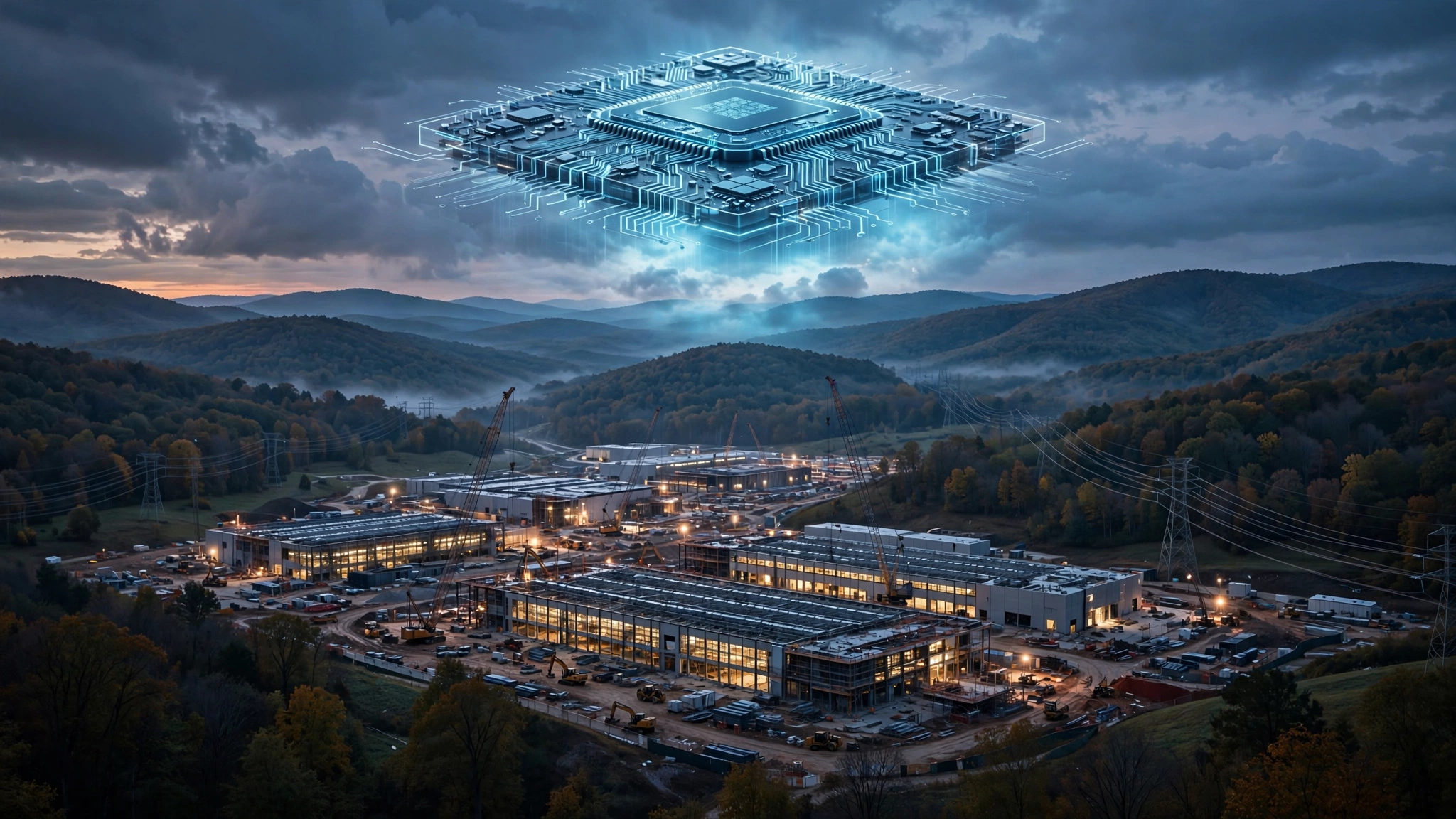
While the airliner slips, Boom has shifted much of its recent attention to a very different machine: Superpower, a 42-megawatt natural-gas turbine built for AI data centers. On October 22, the company unveiled a factory in Centennial, Colorado, dedicated to the turbine, with Energy Secretary Chris Wright and Governor Jared Polis attending. Scholl declared at the event that “it's time for a renaissance in energy and in supersonic flight.”
The turbine program has its own milestones. Boom says it has completed Sprint Core, a prototype core for both Superpower and Overture's Symphony engine, and it expects to fire the core before Thanksgiving 2026. It targets first Superpower customer deliveries in mid-2027, rising to 25 turbines in 2028 and 50 by 2029 — the same year the airliner was supposed to fly.
A $1.25 billion setback already absorbed
The pivot has already suffered one public blow. On September 25, Scholl acknowledged on X that Boom had lost a $1.25 billion agreement under which data-center developer Crusoe would have bought 29 Superpower turbines. Scholl said the company will still deliver about 250 megawatts of Superpower capacity next year to other sites, without naming those customers.
Boom's 2025 plan tied Superpower revenue to funding Overture's certification, so the ventures stand or fall together. Kirby's verdict does not kill Overture, but it strips away the startup's most important external endorsement of its timeline — and leaves Boom selling a power business to data centers while its supersonic dream waits for a date it can keep.