By Hamza Faisal
Uber has quietly started letting children as young as 10 ride on their own. The company is testing a new service called Uber Kids in three American cities, lowering the age floor for solo rides from 13 to 10 — and betting that busy parents will pay for the school run.
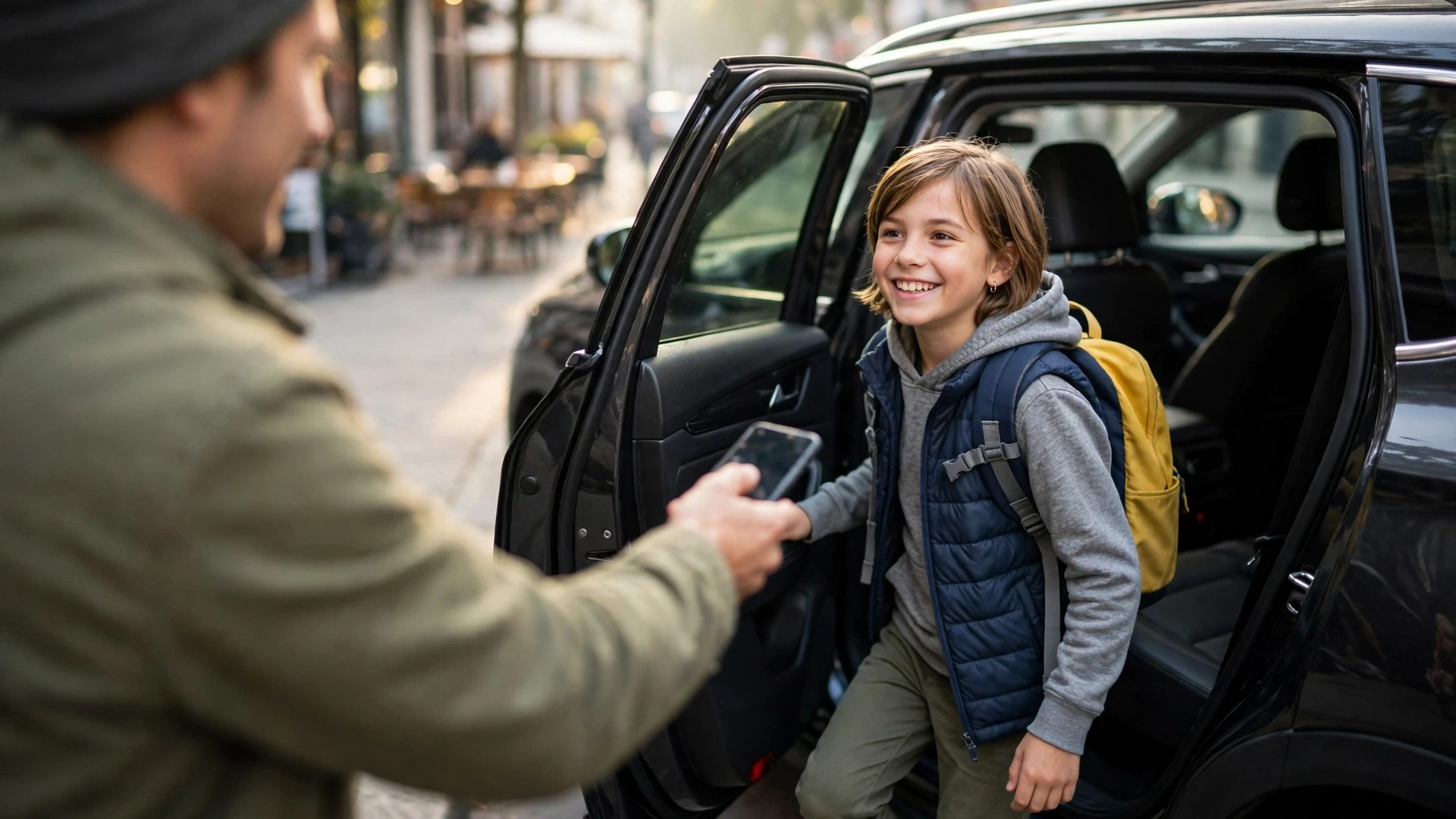
The pilot is live in Austin, Texas, Nashville, Tennessee, and Madison, Wisconsin, and it builds on Uber's existing service for teenagers aged 13 to 17. Unlike a regular Uber, children cannot hail a ride themselves: a parent or legal guardian must book it through the family's profile, and the trip is watched from start to finish.
How Uber Kids works
Only a small group of drivers can take Uber Kids trips. Uber says they must be highly rated and experienced, pass background checks, complete mandatory training on the new feature, and keep audio and video recording switched on throughout the ride. Parents can watch a live video stream of the trip in the app, and every pickup uses a PIN check to confirm the right child is getting into the right car.
Trips are direct, single-stop rides, available from 5 a.m. to 9 p.m. daily, and children must meet their state's rules for riding without a booster seat — generally, the seat belt has to fit properly, which usually happens at around 4 feet 9 inches tall. Uber also offers a practice ride so families can try the experience together first.
Drivers get paid more for the extra care
Uber is paying drivers a premium to take on the responsibility. Eligible drivers earn $7 more on every Uber Kids trip than on a standard ride, plus a $20 bonus for the first kids' ride they complete, according to the company's Uber Kids page.
The move puts Uber up against specialist school-run services such as HopSkipDrive and Zum, which already ferry children to school and activities in the US. Uber is describing the rollout as a limited pilot, which means it may never expand beyond the three test cities — or even exist by next year.
Why Uber is betting on the school run
The pilot is the latest step in Uber's push to widen its customer base beyond adult riders. The company launched rides for teenagers in 2023, and the new service reaches further down the age ladder to 10- to 12-year-olds, a group whose daily travel is still mostly handled by parents, school buses, and specialist services.
Bloomberg News first reported in August that Uber was preparing a service for younger children. Now that the pilot is live, the question is whether parents trust a rideshare with their 10-year-old — and whether enough drivers sign up for the extra checks to make it work.


