By Hamza Faisal
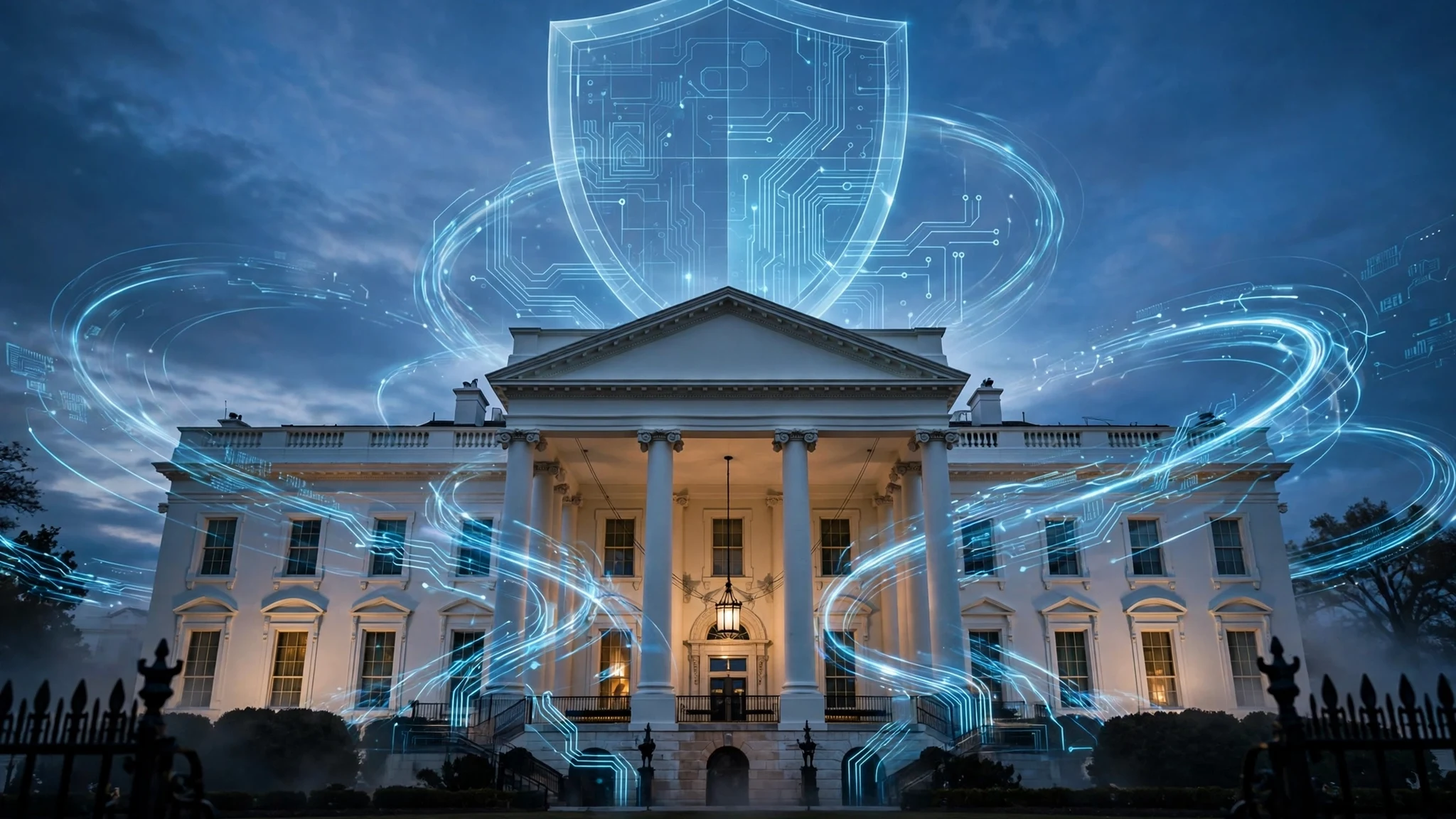
US President Donald Trump has said the risks posed by artificial intelligence can be managed — and that he is open to putting some safeguards around the technology, in his most conciliatory comments yet on AI regulation.
Speaking to CBS's 60 Minutes in an interview recorded at the White House on Friday and aired on Sunday evening, Trump said he "doesn't mind guardrails" on AI and would be willing to work with Democrats on safeguards, according to a Reuters report published on Monday.
The remarks mark a shift in tone from a president who has previously favoured letting technology companies police themselves, and who in September dismissed fears about AI safety as a hoax. But Trump attached a firm condition: any rules must not leave the United States trailing China in the race to build the most capable AI systems.
A qualified yes on safeguards
Interviewer Ross Douthat pressed Trump on warnings from figures inside the AI industry that increasingly powerful systems could pose serious dangers, and asked whether the United States should accept those risks as the price of staying ahead of China.
Trump said he considered the risks overstated. "I think the risk can be managed," he said, adding that he would work with Democrats on AI safety. "I don't mind guardrails. But I don't wanna put us in a deep second position," he told CBS, arguing that China operates without comparable restrictions on its own AI development.
He also claimed the United States was leading the race and said China had "no guardrails" — a political claim made during the interview, not an independently established finding, since China does have AI rules of its own.
No bill, no framework — yet
For all the openness, the interview announced nothing concrete. Trump identified no enforcement agency, legal standard, timetable or mechanism for the safeguards he might support, and proposed no legislation or new AI policy.
That leaves the practical question open. The White House's June executive order framed its approach around promoting advanced AI innovation and strengthening cybersecurity, while criticising overly burdensome regulation — and Trump's latest comments suggest some room for safeguards, though it remains unclear at what level they would operate.
Trump also suggested the Justice Department could help manage AI risks, describing an unnamed person at a major AI company who he said received a warning about jail after someone reported potentially harmful AI activity. He further claimed that data centres being built under his administration supply their own electricity and send excess power to the grid.
Why the timing matters
The interview aired days after the 2026 midterm elections, with the legislative calendar coming back into focus — a moment when openness to working with Democrats on a policy issue carries different weight than it did during campaign season.
It also comes as the administration's own AI enforcement machinery takes shape. Trump's Super Intelligence Task Force has two jobs, according to reports: coordinating AI-related prosecutions and challenging some state AI laws — a reminder that the federal government's approach to AI oversight is still being defined, one interview at a time.
For now, the guardrails Trump says he does not mind remain an idea, not a plan. Whether the comments turn into a bill, a framework or simply a talking point will be the test in the weeks ahead.
By Hamza Faisal


