By Hamza Faisal
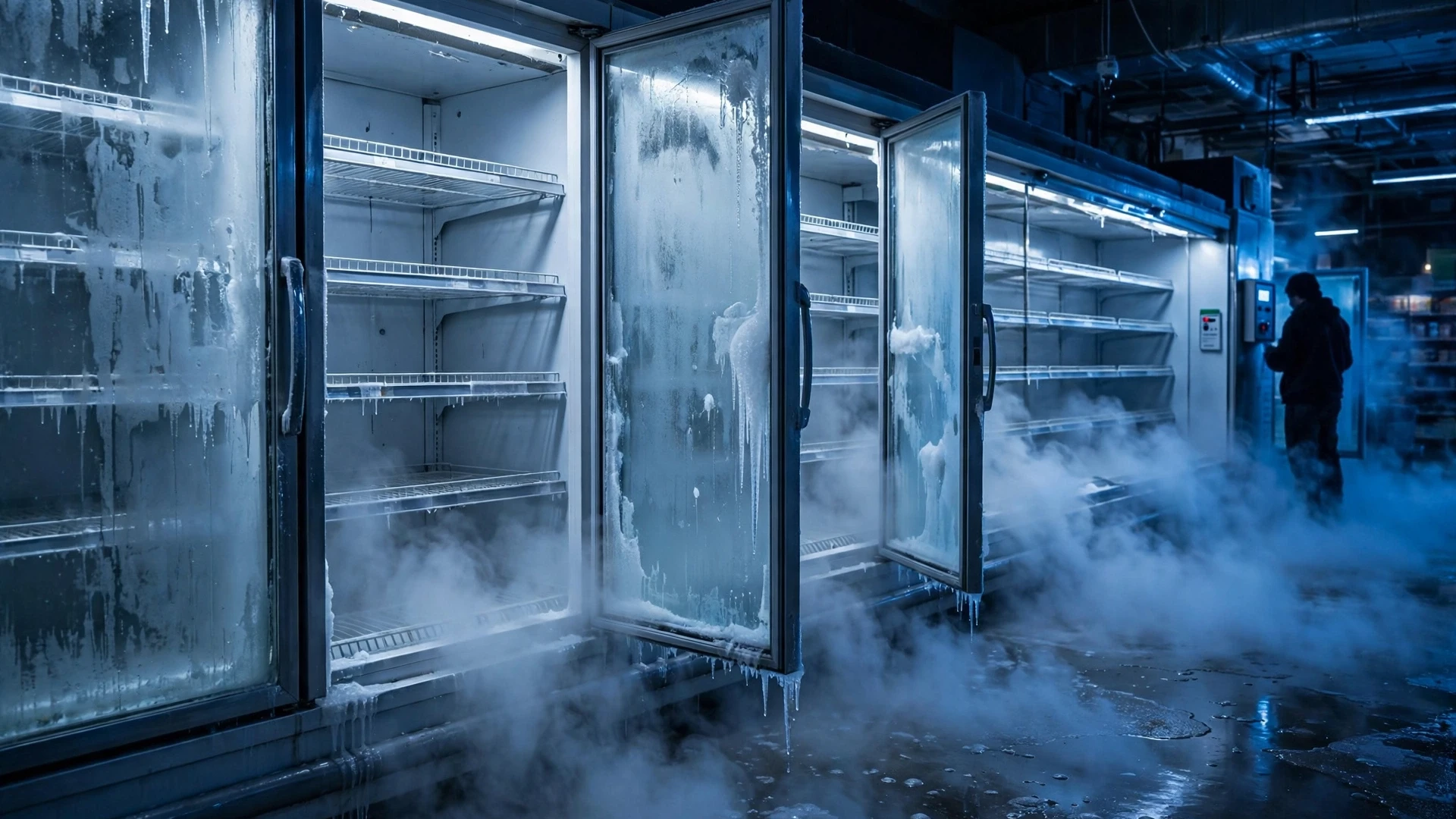
A second wave of cyberattacks has hit supermarket refrigeration across Europe, sending fridge and freezer temperatures soaring overnight and spoiling food in dozens of stores. The incidents, reported on Monday, November 2, struck Belgium, Luxembourg, Sweden and Ireland — less than three weeks after a similar attack hit hundreds of supermarkets in France.
Supermarket giants Ahold Delhaize and Colruyt both confirmed an overnight IT incident affecting fridges and freezers in dozens of their stores in Belgium and Luxembourg. Delhaize spokesperson Sarah De Meester told Reuters the chain noticed temperature increases in its cooling systems on Monday and is investigating. Le Soir reported dozens of Delhaize and Carrefour stores affected.
Stephan Moelans, chief executive of Belgian refrigeration firm Sabcobel, which operates Delhaize's systems, told Belgium's Belga news agency that a cyberattack was to blame. Hackers had switched the units' evaporators into defrost mode, he said, adding that technicians were mobilised at 1 a.m. and worked through the night and morning to disconnect affected units from the network. Colruyt Group, which operates Spar stores in Belgium under a franchise system, said five of its shops had their fridge systems attacked.
Sweden reports the same temperature spikes
Swedish grocers ICA and Coop reported similar temperature spikes overnight. One ICA store, in Sjöbo in southern Sweden, posted on Facebook that its fridges and freezers had “been hacked and they set the temperature at 50 degrees” Celsius, about 122 degrees Fahrenheit. At another ICA store in Stockholm, sales manager Engla Ingwall said the attack occurred at 2 a.m. but was only noticed hours later. “Everything is destroyed,” she said.
ICA said only a “limited number” of its stores were affected; Coop said it had no immediate information of a cyberattack on its systems. SecurityAffairs also reported Estonia among the affected countries.
The same weakness behind the French attacks
The new incidents closely echo the attack in France last month, when hackers seized control of cooling units at hundreds of supermarkets, pushing temperatures as high as 50 degrees Celsius and causing fires and food losses. French chains E. Leclerc, Intermarché and Cooperative U told the AFP news agency at the time that they had suffered a cyberattack, and a Paris prosecutor opened a probe.
Researchers blamed internet-connected units made by Danish firm Danfoss, which TechCrunch reports no longer provides security updates for the affected models. Security firm Claroty warned back in August that those units were at risk of remote hacks and outages. Ahold also reported a cybersecurity incident to police in the Netherlands in October after detecting suspicious activity, though reporting does not tie that report to Monday's incident. So far, no one has claimed responsibility for either wave, and Reuters said it was unable to establish who was behind Monday's attacks or whether there was any link to the October incidents in France.
Freezers join the list of hackable infrastructure
The freezer hacks underline how cyberattacks can have real-world effects on the food supply chain, often through weak or overlooked cybersecurity on devices that were once purely mechanical. In 2025, a cyberattack on US food distributor UNFI resulted in food shortages and empty shelves at grocery stores and supermarkets across the United States.
US Department of Defense officials are also reportedly investigating whether freezer units on military bases were hacked by Iran-backed hackers, according to Nextgov, cited by TechCrunch. Iranian hackers were also blamed for cyberattacks targeting US water providers earlier this year.
For now, Europe's supermarkets are counting spoiled food and pulling freezers off the network — faster than investigators can name the attackers.