Samsung Electronics is set to bring a piece of SpaceX's Starlink network to Texas. The South Korean chipmaker plans to produce the microcontroller that helps Starlink satellites talk to each other at its semiconductor plant in Austin, investing $1.9 billion to expand the facility, according to reports from Seoul Economic Daily.
The move would add a US production site for a chip that sits at the heart of the world's largest satellite constellation, and it deepens Samsung's bet on specialty chips for aerospace, defence and automotive customers — a business far removed from the memory chips and smartphone processors it is best known for.
The chip that links satellites in orbit
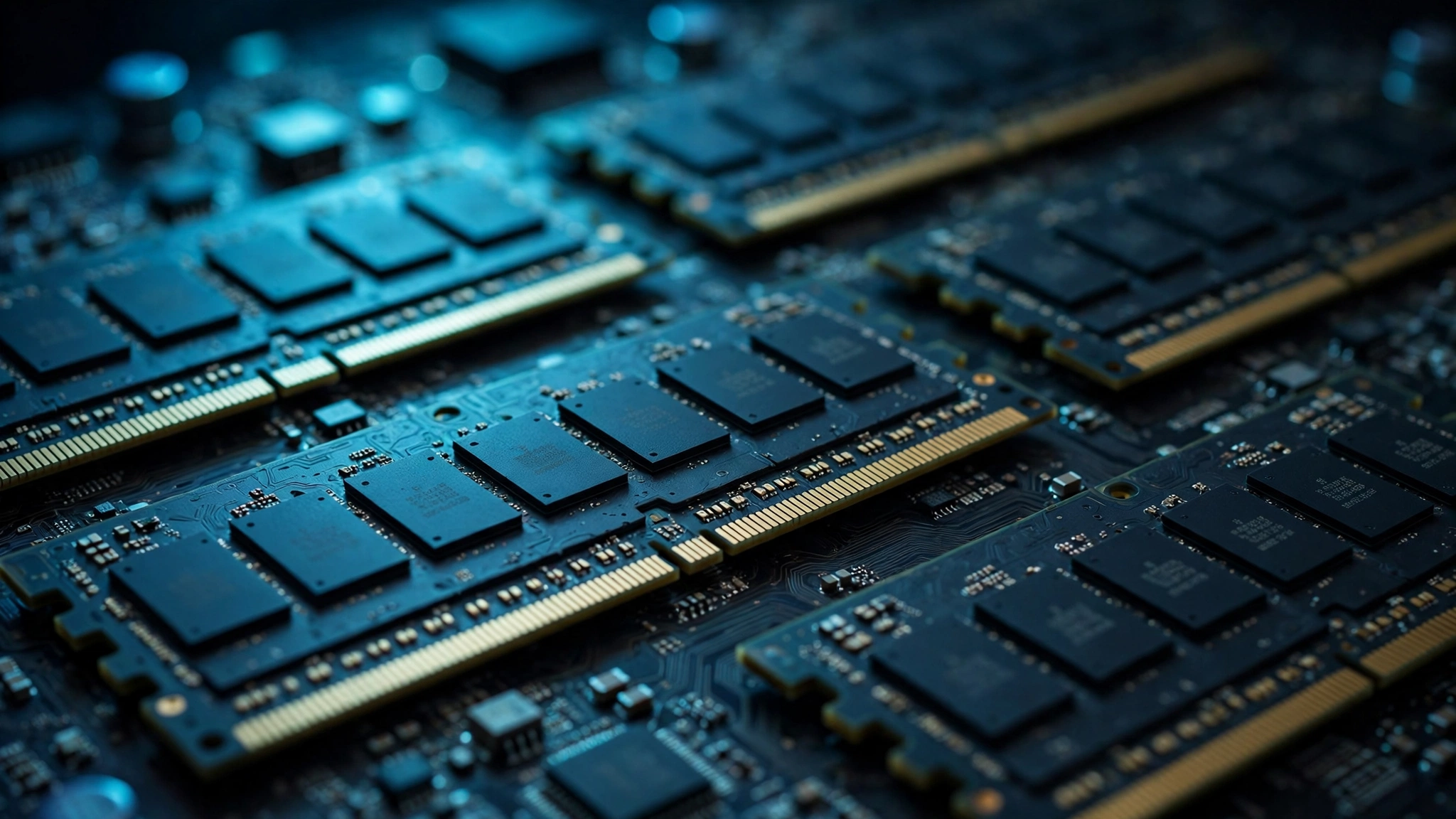
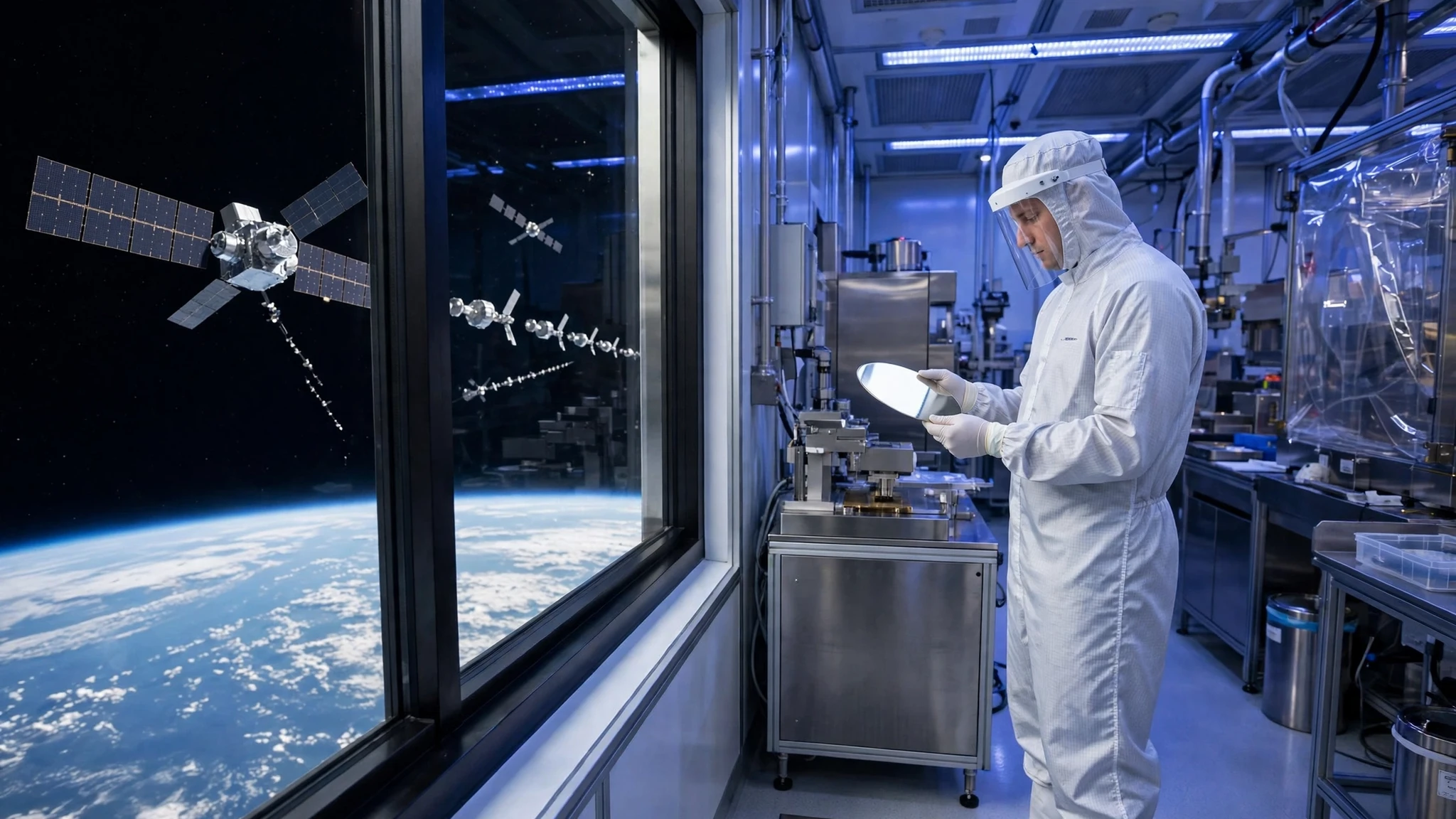
The component at the centre of the plan is the STM32V8, a high-performance microcontroller co-developed by Samsung and European chipmaker STMicroelectronics. It drives the laser communication terminals that let Starlink satellites pass data directly between one another in orbit, instead of routing every signal down to a ground station first.
The chip is built on an 18-nanometre fully depleted silicon-on-insulator process, known as FD-SOI, developed jointly by the two companies. The technology is designed for low power consumption and resilience in harsh environments — exactly what a component bolted to a satellite needs.
Today the STM32V8 is produced at STMicroelectronics' plant in Crolles, France. Under the reported plan, some of that production would shift to Samsung's Austin fab, while output in France is expected to continue.
A $1.9 billion bet inside a $37 billion Texas plan
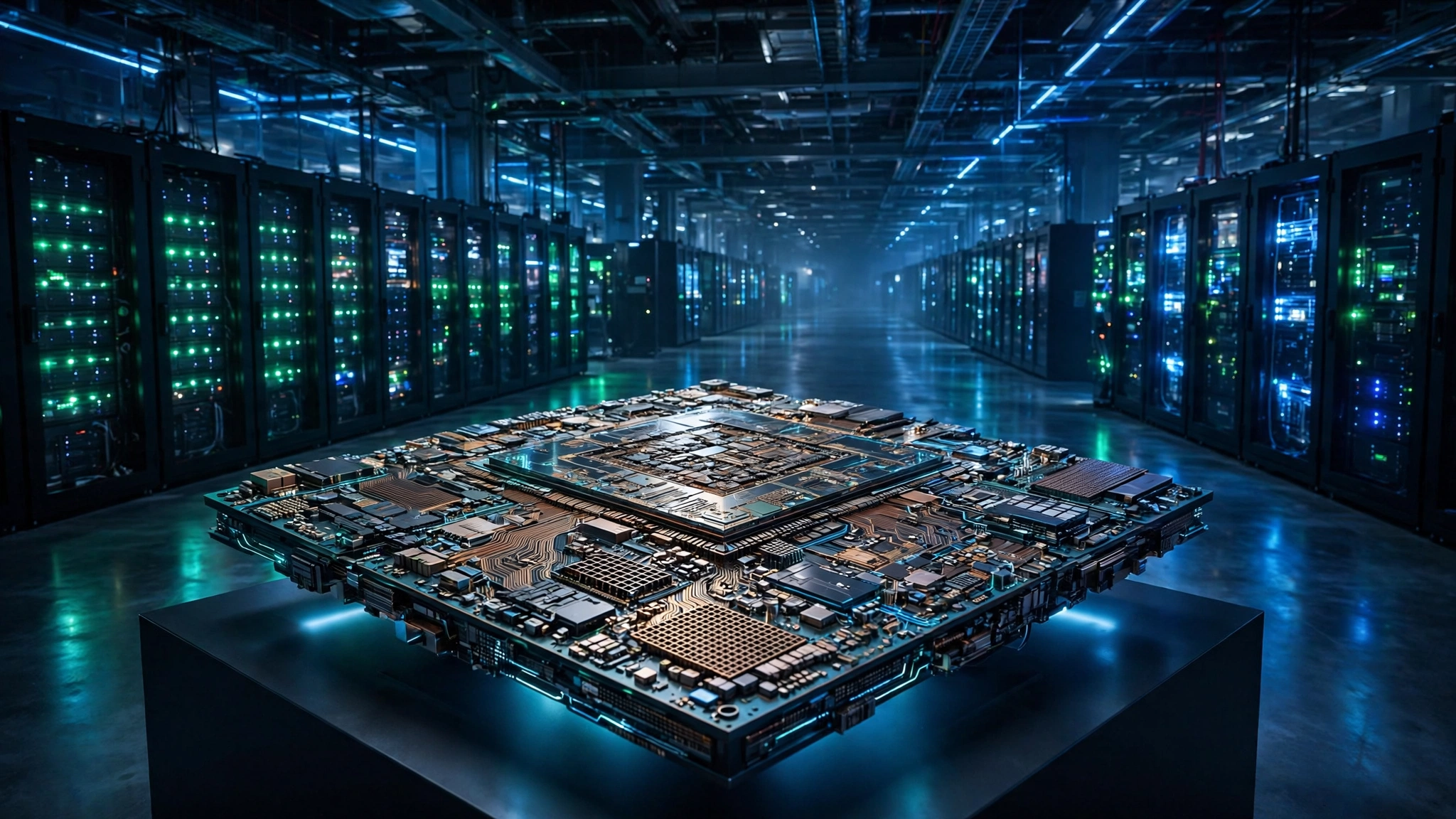
Samsung is investing $1.9 billion — about 2.7 trillion won — to expand production facilities at the Austin plant, which runs mature processes from 65 nanometres to 14 nanometres. The spending sits inside a broader commitment of roughly $37 billion across Texas, backed by up to $4.745 billion in federal subsidies under the US CHIPS Act, the law designed to lure semiconductor manufacturing back to American soil.
A subsidy project disclosed by the National Institute of Standards and Technology, part of the US Commerce Department, states that the Austin fab will support production of FD-SOI chips needed by core US industries including aerospace, defence and automobiles. Operations at the expanded facility are targeted to begin by 2030.
The Austin site is also close to SpaceX's headquarters in Texas, and Samsung is directing satellite communications components there while reserving its newer Taylor site for advanced two-nanometre artificial intelligence processors.
Why Starlink silicon matters now
SpaceX has launched more than 7,000 Starlink satellites to date, and it replaces older spacecraft roughly every five years — a steady, high-volume demand for the chips that keep the constellation talking. Moving some of that production to the United States also fits Washington's push to reshore critical technology manufacturing, with federal money helping to pay for it.
There are caveats. Samsung said it cannot officially confirm contracts with individual customers, and the company has not published a regulatory filing confirming Starlink production at the Austin site. The reports rest on chip industry sources and the Commerce Department and NIST documents.
Even so, the plan shows how the satellite internet boom is redrawing the map of chipmaking. A decade ago, Austin's fabs were known for mobile and automotive silicon. If the 2030 target holds, they will also be building the brains of the satellites overhead.