By Hamza Faisal
Samsung Electronics has raised the prices of its flagship Galaxy S26 smartphones in South Korea, lifting most models by 149,600 won (about $110), as soaring memory chip costs squeeze the company's margins, Yonhap news agency reported on Thursday.
The base Galaxy S26 now retails for 1,403,600 won (about $1,030), while the Galaxy S26+ costs 1,601,600 won (about $1,180). The 1TB version of the Galaxy S26 Ultra took a steeper hike of 276,100 won (about $200) to 2,821,500 won, according to the report. The move comes just seven months after the phones launched in March.
AI data centers are eating the memory supply
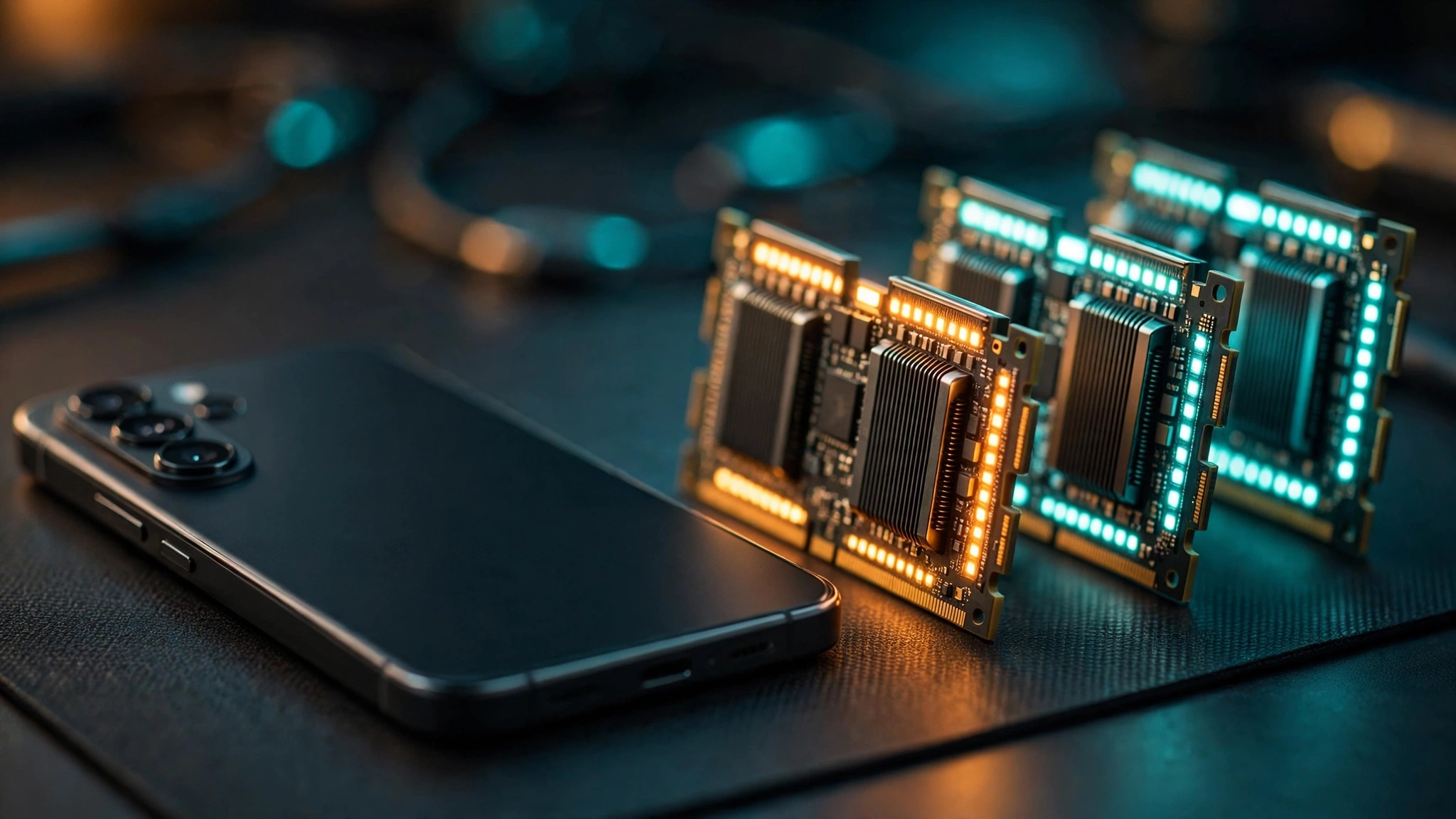
The hike is driven by the surging cost of RAM and storage chips, which are in extremely high demand from AI companies building out data centers.
Smartphone memory costs rose by more than 80 percent in the second quarter of 2026 compared with the previous quarter, and were roughly triple the level of a year earlier, according to industry reports.
Memory has now become the single most expensive component in a smartphone, overtaking even the processor. Samsung's mobile division recorded an operating loss of about 700 billion won in the second quarter, and spent roughly 211 percent more on mobile memory in the first half of 2026 than it did a year earlier.
Gartner projects a 130 percent combined surge in DRAM and SSD prices by the end of 2026, a trend that could push smartphone prices industry-wide up by 13 percent. Samsung has confirmed it has been internally reviewing its pricing, saying no final decision had been made — but Thursday's report shows the review ended with higher price tags.
Samsung is not alone
Samsung is far from the only phone maker passing memory costs on to buyers. Apple raised the prices of its iPhone 17 lineup by $100 immediately after launching the iPhone 18 Pro series on September 9, and the new iPhone 18 Pro models are $100 more expensive than their predecessors.
Samsung had already raised the prices of other models, including the Galaxy S25 Edge, Galaxy Z Flip 7 and Galaxy Z Fold 7, in April because of memory constraints.
Huawei has faced the same pressure: the Mate 90 series unveiled this week starts at 5,999 yuan, 1,300 yuan more than its predecessor, with the company's consumer chief saying memory prices alone added about $200 to each handset.
Notably, the latest hike appears limited to South Korea for now — US and UK Galaxy S26 prices remain unchanged. Samsung previously raised prices of most Galaxy phones in India a few days ago, signaling that the pressure is becoming global.
What it means for buyers
Mid-cycle price hikes are rare in the smartphone industry: manufacturers usually set prices at launch and hold them. Raising prices seven months after the Galaxy S26's debut underscores how unusual the current memory squeeze is, with AI data-center demand colliding with constrained supply.
Analysts expect the pressure to continue, with the Galaxy S27 series expected to launch at higher prices than the current generation. For now, Korean shoppers will feel the increase first — but if memory costs keep climbing, buyers everywhere may soon pay more for their next phone.