By Hamza Faisal
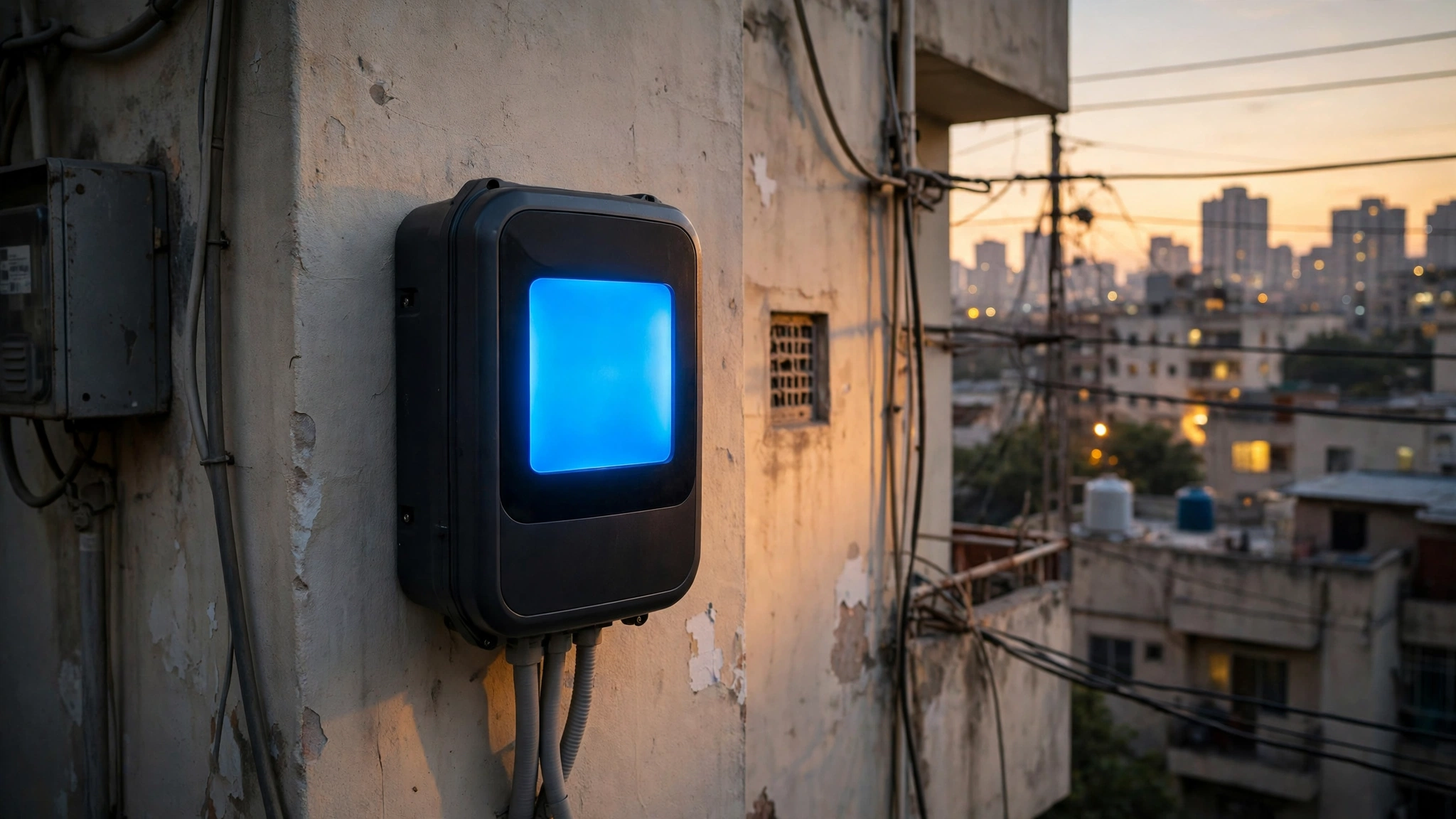
Pakistan is preparing to replace 16.219 million conventional single-phase electricity meters with advanced smart meters across five power distribution companies, in a programme that could draw up to $1.3 billion in private investment. The International Finance Corporation (IFC), the private-sector arm of the World Bank Group, is preparing to discuss the initiative with the Power Division during a visit to Pakistan later this month.
The proposed Advanced Metering Infrastructure (AMI) programme would cover the Lahore Electric Supply Company (LESCO), Multan Electric Power Company (MEPCO), Peshawar Electric Supply Company (PESCO), Hazara Electric Supply Company (HAZECO) and Quetta Electric Supply Company (QESCO). Private service providers would install the meters in phases under a public-private partnership model, with procurement through international competitive bidding.
Free installation, paid for through bills
One of the central features of the plan is that consumers will not have to pay anything upfront to have their old meter replaced. Installation will be provided free of cost, while private investors will recover their money through an agreed per-meter payment collected through monthly electricity bills, settled in local currency.
The IFC's preliminary assessment puts the investment requirement at $60 to $80 per meter, implying a total cost of roughly $973 million to $1.298 billion. The exact figure will only be fixed after the first international competitive bidding process. Sources said the programme is expected to be completed within two years, with the rollout starting on priority feeders.
Five DISCOs, one big fix for losses
The project aims to modernise the distribution network, cut electricity losses, improve billing accuracy and revenue recovery, and strengthen the reliability of supply. Pakistan's power distribution system has long struggled with high distribution losses, inaccurate billing, electricity theft and weak recovery of billed amounts — problems the smart metering programme is designed to tackle directly.
Smart meters record consumption in near real time and feed the data back to the utility, making it far harder to tamper with readings and far easier to spot theft, faulty meters and overloaded feeders. For consumers, the change should mean bills based on actual usage rather than estimates, and faster detection of faults.
IFC visit sets the timetable
IFC Regional Vice President Imad Najib Ayed Fakhoury, accompanied by senior management, is scheduled to visit Pakistan from November 24 to December 2. He has requested a meeting with the Power Minister on November 30 to discuss the smart metering initiative alongside broader power-sector reforms, transmission infrastructure and measures to reduce energy costs.
The IFC is already engaged as transaction advisor for the programme under a three-year Transaction Advisory Services Agreement signed on April 17, 2026. Its role is to develop the project structure and help bring in private investment. Any direct investment by the IFC itself would require a separate decision and the relevant approvals.
By Hamza Faisal